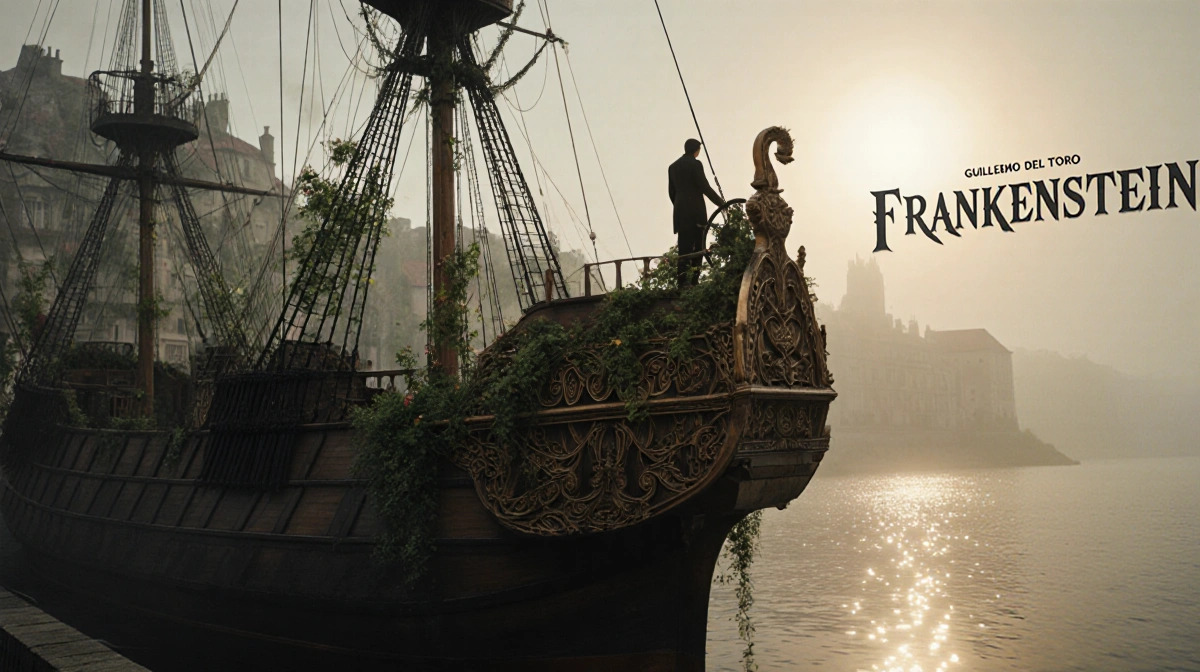

Guillermo del Toro’s Frankenstein doesn’t just look good on screen-it’s literally seaworthy. A newly released video reveals that the director’s team constructed a full-scale, functioning vessel for the Netflix film, a process that consumed five months of the production schedule.
At a Glance
- Del Toro’s crew built a life-size, operational boat rather than relying on green screen.
- The set piece includes hidden mechanics so the Creature appears to power it.
- Tamara Deverell (production designer) and Guy Davis (head of concept design) spearheaded the build.
- The film recently won the Critics Choice Award for Best Production Design.
Why it matters: Viewers get a tactile, immersive world without digital trickery, underscoring del Toro’s reputation for handcrafted spectacle.
The behind-the-scenes clip, posted January 14, 2026, by the film’s official social channel, shows del Toro walking through workshops stacked with hand-painted props, Victorian medical gear, and weather-worn lumber. Midway through, the camera pans to the completed ship sitting in a water tank; rigging sways, hull planks creak, and smoke drifts from a practical stovepipe. According to the video, carpenters, metalworkers, and effects techs engineered the craft so that deck sections undulate on cue, selling the illusion that the Creature’s strength propels the vessel.
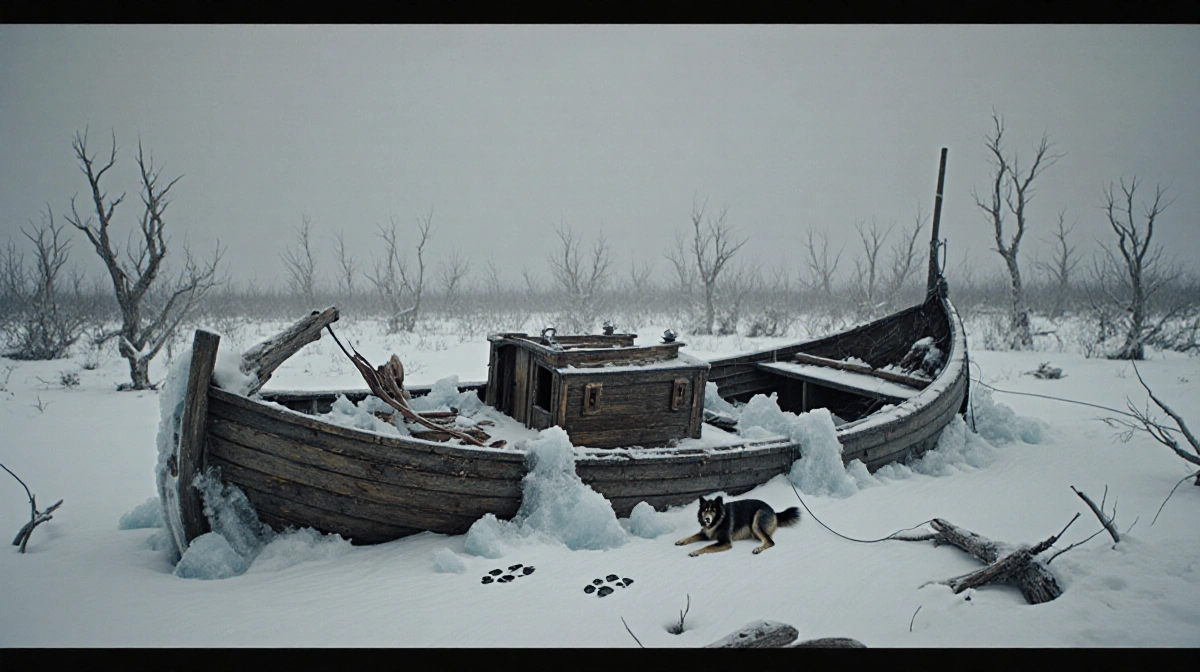
Del Toro has long favored physical sets over digital extensions, and Frankenstein extends that philosophy. While audiences might assume Arctic sequences blended location plates with computer graphics, the boat itself is tangible, moored on a gimbal system that could rock, tilt, and rotate. The director states on camera that shooting with a real deck “gives the actors something honest to push against,” especially during storm sequences where wind machines and water cannons drenched the cast.
Key details from the build:
- Length: matches period-accurate whaling ships, roughly 90 feet.
- Materials: oak beams, steel skeleton, and fiberglass cladding treated to resemble salt-stained timber.
- Movement: hydraulic rams beneath the hull simulate ocean chop while concealed wires allow the Creature to seemingly bend mast poles.
- Schedule: construction began in late spring 2025 and wrapped just before principal photography moved to soundstage interiors.
News Of Fort Worth‘s original coverage notes that large-scale set construction is standard on tent-pole productions, yet the ship’s full functionality sets it apart. Instead of chopping the vessel into fragments for different angles, del Toro insisted on a contiguous structure so cinematographer Dan Laustsen could track characters from bow to stern in uninterrupted shots. The approach required coordination between the art department and visual-effects supervisors to embed LED lighting inside lanterns and rig removable deck panels for camera access.
The video also spotlights Deverell’s department salvaging 19th-century maritime artifacts-harpoons, compasses, and canvas sails-then distressing them with salt, sawdust, and diluted ink to suggest years at sea. Davis adds that concept art evolved through clay maquettes and virtual-reality walkthroughs before a single plank was cut. The result is a craft that feels both mythic and historically grounded, mirroring the film’s broader blend of gothic horror and humanist drama.
Viewers first glimpse the ship when the Creature escapes into the Arctic wasteland, hauling a dogsled before commandeering the ice-locked vessel. The set piece serves as both refuge and prison, a metaphorical echo of the protagonist’s search for belonging. Because the structure is real, drifting snow clings to railings, breath condenses in the air, and wooden hulls groan authentically, sparing visual-effects artists the task of manufacturing those micro-details in post.
Financially, the boat consumed a notable chunk of the production budget, though exact figures weren’t disclosed. Crew members estimated that fabrication, engineering, and daily maintenance required a rotating team of roughly 120 specialists, from welders to textile artists hand-stitching sail patches. Insurance underwriters even insisted on daily inspections to certify the gimbal could bear repeated stress takes without structural fatigue.
Once filming wrapped, the vessel was dismantled in sections and stored, fueling speculation about its afterlife. Del Toro is notorious for archiving key props-his personal collection includes the Pans Labyrinth faun suit and Crimson Peak automaton-so fans wonder if the ship could be reassembled for a museum exhibit or future project. The video offers no definitive answer, ending on a wide shot of the empty water tank as the director jokes, “Maybe it sails again, maybe it becomes a playground for my kids.”
Industry observers note that practical sets of this magnitude are increasingly rare amid cost-cutting pressures and digital workflows. Yet del Toro’s track record-two Oscars for production design on The Shape of Water and Pinocchio-demonstrates that handcrafted environments can translate into awards momentum. The Critics Choice win for Frankenstein positions the film as a frontrunner during the current awards season, validating the months of labor spent bending real timber instead of manipulating pixels.
For audiences, the payoff is a visceral viewing experience now streaming on Netflix. The Arctic sequences unfold with a tactile chill, the wooden hull flexing beneath boots, canvas sails snapping overhead. Even casual viewers may sense something authentic without realizing a functional ship made it possible.
Key takeaways:
- A five-month build yielded a 90-foot, seaworthy vessel rather than a digital stand-in.
- Hidden rigs let the Creature appear to manhandle masts and steering gear.
- The set’s realism contributed to the film’s Critics Choice win for Best Production Design.
- After production, the boat was broken down for storage, fate unknown.
Del Toro’s devotion to physical craftsmanship continues to distinguish his work in an era dominated by computer-generated environments. With Frankenstein, he literalized that commitment, launching a working ship into the frozen fiction of Mary Shelley’s world.