
At a Glance
- Group-stage seats hit $700 in FIFA’s Random Selection Draw, with Final tickets listed in the thousands
- FIFA added a limited batch of $60 seats after backlash, but fans say it’s not enough
- UK Prime Minister Keir Starmer urged FIFA to protect “genuine supporters”
- Why it matters: Record prices risk locking out the very fans who give the tournament its global soul
FIFA’s expanded 48-team World Cup lands in North America this summer, yet the buzz is colliding with sticker shock. Supporters hoping to follow their nations across 16 host cities have discovered that the cheapest primary-market seats for many group-stage matches cost $700, while most Final tickets carry four-figure tags.
Record-Breaking Prices
The latest sales window, the Random Selection Draw, revealed the scale of the leap. Prices apply to face-value inventory, not resale platforms where costs soar even higher.
“Those primary-market prices are already, by far, the most expensive in World Cup history,” said Henry Bushnell, senior writer for The Athletic, in an interview with Derrick M. Collins.
Social media feeds filled with outrage within hours of the release. Memes, protest hashtags and viral screenshots of checkout pages reflected a common refrain: the tournament is pricing out its most loyal followers.
Limited $60 Tickets
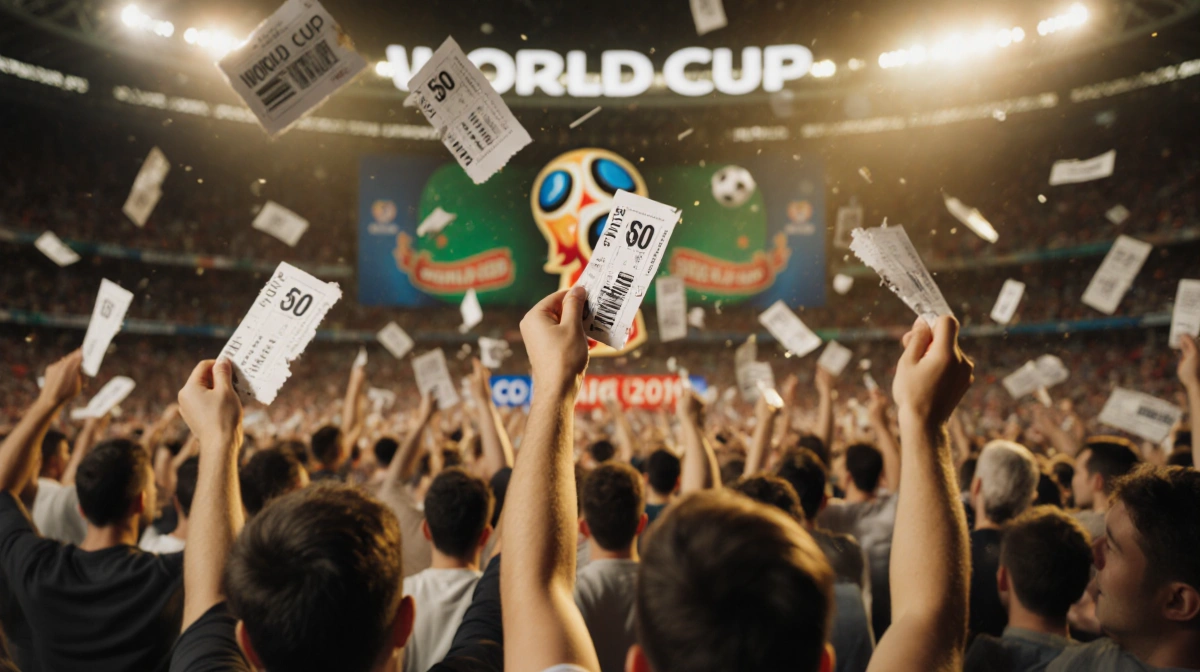
Facing a wave of criticism, FIFA released a small allotment of $60 tickets for every match. The catch: availability is capped and demand is crushing supply.
FIFA stated the seats will be funneled through national federations, meaning fans must rely on their home associations for distribution. No guarantee exists that any individual supporter will secure one.
Political Pushback
Keir Starmer, the UK Prime Minister, entered the debate in December, posting on X: “As someone who used to save up for England tickets, I encourage FIFA to do more to make tickets more affordable so that the World Cup doesn’t lose touch with the genuine supporters who make the game so special.”
The statement underscored a political dimension: high prices threaten the cultural link between national teams and the communities that sustain them.
Fan Stories
Jo McNicol, an England supporter who uses a wheelchair, already booked flights and an RV for a summer roadtrip across the United States. She refuses to pay current ticket costs and is frustrated by changes to accessibility policies.
McNicol attended the 2022 Final in Qatar, receiving a free companion ticket. For 2026, FIFA will charge for the companion seat.
“You have to re-mortgage, get loans,” she told News Of Fort Worth. “Nobody has that sort of spare money for one match.”
She describes the process as “unfair,” citing opaque resale rules and limited wheelchair-accessible inventory.
FIFA’s Defense
In response to questions from News Of Fort Worth, FIFA would not comment on the record about accessibility concerns.
On general pricing, the governing body wrote that its model “reflects the existing market practice for major entertainment and sporting events within our hosts on a daily basis, soccer included.”
FIFA added the structure also “reflects the treatment of the secondary market for tickets, which has a distinct legal treatment than in many other parts of the world.”
The organization concluded by saying it is “focused on ensuring fair access to our game for existing but also prospective fans.”
Visa Obstacles
Even fans willing to pay face a second hurdle: entering the United States.
The Trump Administration has tightened visa reviews for nations including Iran, Senegal and Haiti-each of which qualified for the tournament.
To ease the crunch, the State Department and FIFA launched FIFA PASS, a priority visa program promising expedited interview appointments for official ticket holders. Details remain slim, and applicants still must satisfy standard immigration requirements.
Supporters Groups React
Domestic fans are not immune. Brian Hexsel, president of the American Outlaws, labeled the price levels “absolutely insane.”
“My biggest fear is that FIFA has actually stopped the growing of the sport in the U.S.,” Hexsel said.
The Outlaws, among the largest U.S. Soccer supporters groups, worry the atmosphere inside stadiums will shift toward corporate hospitality rather than chants, drums and national colors.
Demand Still Soars
Despite the uproar, FIFA announced that more than 500 million ticket requests were submitted during the Random Selection Draw, a figure that suggests sellouts are inevitable.
“Americans love things that are big and spectacular,” said Bushnell, “and that’s what FIFA is trying to make this World Cup.”
The staggering request tally highlights a paradox: even as traditional fan bases recoil, global appetite for live World Cup soccer appears insatiable.
What Comes Next
- National associations will soon receive their allotments of the $60 tickets; each federation sets its own distribution rules
- A final ticketing phase is expected closer to kickoff, though FIFA has not announced dates or price ranges
- Supporters with unused hospitality packages may list seats on official resale channels, potentially easing supply
Key Takeaways
- $700 group-stage and multi-thousand-dollar Final tickets make the 2026 World Cup the priciest ever at face value
- FIFA’s limited release of $60 seats offers only partial relief; access is tied to federations, not direct sales
- Political leaders and advocacy groups argue that soaring costs threaten the tournament’s cultural foundation
- Record demand of 500 million requests indicates matches will still sell out, leaving affordability unresolved
For now, fans face a choice: stretch budgets to the breaking point or watch from home as history unfolds on the pitch.