
At a Glance
- MCU television launched January 15, 2021 with WandaVision after a 2020 without any MCU content
- Early promise faded as subsequent shows failed to match WandaVision’s critical acclaim
- Structural problems persist: wrong formats chosen for stories, making TV feel like homework
- Why it matters: Fans now face an ever-expanding list of required viewing before new films
The Marvel Cinematic Universe’s ambitious television experiment turns five years old this month, and the results reveal a mixed legacy that has fundamentally altered how audiences engage with the franchise. What began as an innovative expansion onto the small screen has evolved into a complex challenge of content overload and format mismatches.
The Promising Start
Unlike the Infinity Saga that built momentum through theatrical releases, the Multiverse Saga opened on television. Three Disney+ series arrived in 2021 before Black Widow marked the theatrical return that summer. These new shows held a crucial advantage over earlier Marvel television efforts like Runaways or Agents of SHIELD-they could explicitly connect to the larger MCU narrative.
WandaVision premiered January 15, 2021, positioning itself as a direct sequel to Avengers: Endgame while exploring Wanda Maximoff’s grief over Vision’s death. The series achieved something previously thought impossible: making its central couple compelling across eight weekly episodes. After an entire year without MCU content in 2020, the show served as both narrative refresh and audience re-engagement.
The series dominated cultural conversations throughout its run. Viewers developed theories, embraced Wanda’s love for Vision, and integrated the show’s quotes into daily conversation. The innovative approach to superhero storytelling through different television eras felt fresh and exciting.
The Decline in Quality
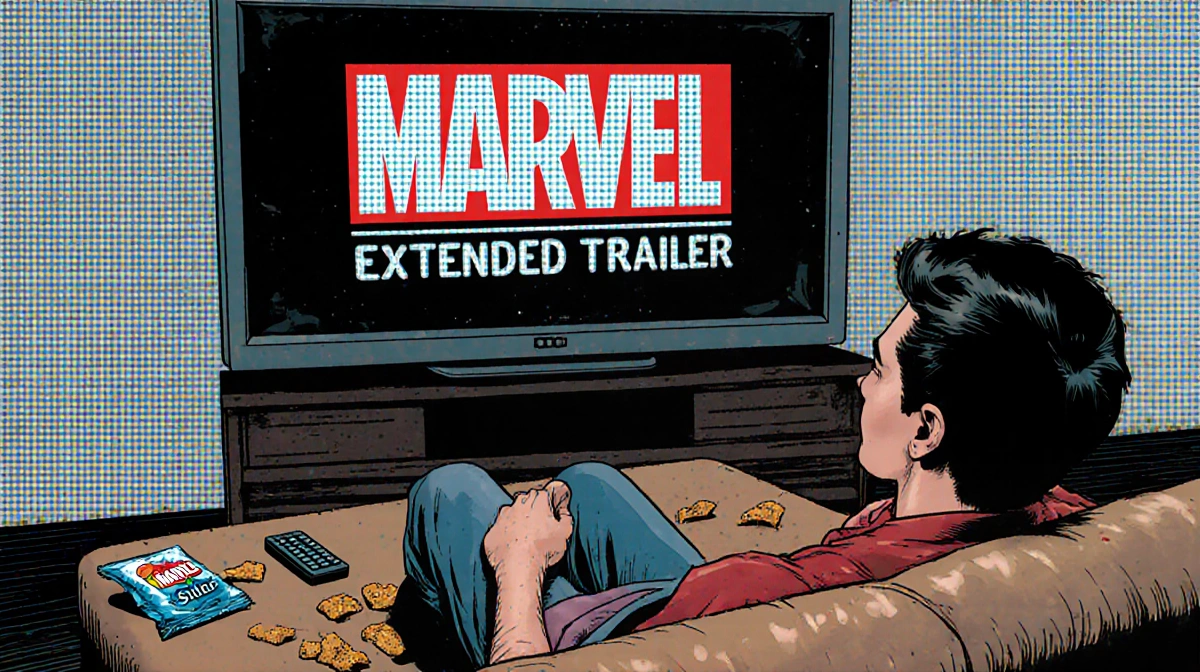
The success of WandaVision created expectations that subsequent Marvel television has struggled to meet. While shows like Ms. Marvel and Loki received positive responses, they often functioned as extended trailers for films released years later. This approach transformed television viewing from entertainment into obligation.
The homework problem intensified with series like The Falcon and the Winter Soldier and Secret Invasion, which introduced plot threads that never fully developed. What initially felt like essential viewing became optional background noise as the interconnectedness proved superficial rather than substantial.
Critical reception declined alongside audience engagement. The television pivot hasn’t strengthened the MCU’s narrative cohesion-instead, it has created additional barriers to entry for casual viewers while frustrating dedicated fans with inconsistent quality.
Format Mismatches Everywhere
The structural problems extend beyond individual show quality to fundamental format choices. The Falcon and the Winter Soldier and Moon Knight likely would have worked better as feature films, allowing their stories proper breathing room within tighter narrative constraints. Conversely, films like Eternals and Captain America: Brave New World might have benefited from the extended character development possible in television formats.
Marvel’s reluctance to embrace television as a distinct medium created identity confusion. The studio initially resisted creating actual television shows, a stance that changed only when faced with projects like She-Hulk and the creative overhaul of Daredevil: Born Again. This recognition came late enough that Born Again shifted from a limited series to multiple-season commitment.
The animation division has avoided these pitfalls. Shows like What If…? and Your Friendly Neighborhood Spider-Man understand their medium and audience expectations. These animated series don’t pretend to be anything other than what they are, allowing for creative storytelling unburdened by cinematic universe obligations.
Industry-Wide Confusion
Marvel’s television struggles reflect larger industry confusion about prestige television’s role in franchise storytelling. Too many series were created in the shadow of acclaimed shows without understanding what made those series successful. The result has been content that fails to satisfy either television enthusiasts or superhero fans.
Future projects like Nova, Strange Academy, and the return of Jessica Jones face the challenge of learning from past mistakes. The comparison to HBO’s The Pitt becomes relevant-a show that understands its format and audience while delivering consistent quality within genre constraints.
The MCU’s television enterprise now finds itself in an unusual position. Rather than setting trends for others to follow, it must adapt to television’s established rules and audience expectations. Five years of experimentation have revealed that success requires understanding the medium rather than simply transplanting cinematic approaches to smaller screens.
Key Takeaways
- WandaVision’s success created impossible standards for subsequent Marvel television
- Format confusion has led to stories told in wrong mediums
- Animation has succeeded where live-action struggles
- The franchise faces an content overload problem requiring audience homework
- Future television projects must embrace television as distinct from cinema