
Charges and Investigation
On Wednesday, police charged Naveed Akram, 24, with 59 offences, including 15 counts of murder, after he woke from a coma in a Sydney hospital. The charges were filed following the Sunday shooting that left 15 Jews dead and more than 20 wounded. Akram was arrested after police shot him and his father, Sajid Akram, 50, at Bondi Beach. Sajid died at the scene.
The indictment lists one count of murder for each fatality and one count of committing a terrorist act. Akram also faces 40 counts of causing harm with intent to murder for the injured victims, and a charge for placing an explosive near a building with intent to cause harm. Police said the Akrams’ car, found at the crime scene, contained improvised explosive devices.
Victims and Funerals
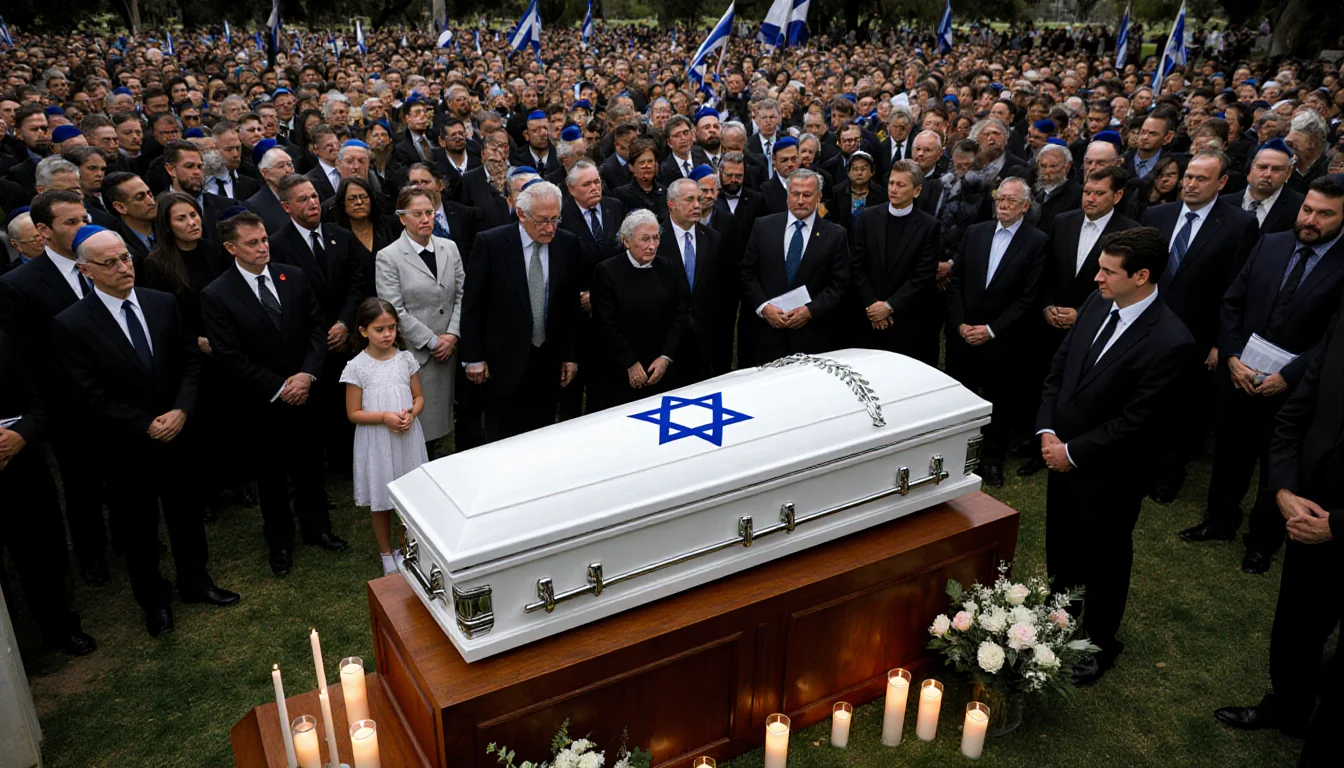
Hundreds of mourners gathered in Sydney to begin funerals for the victims. The victims ranged in age from a 10‑year‑old girl to an 87‑year‑old Holocaust survivor. The first farewelled was Eli Schlanger, 41, husband and father of five who served as assistant rabbi at Chabad‑Lubavitch of Bondi and organized the Sunday Chanukah by the Sea event. A London‑born rabbi, Schlanger also worked as a chaplain in prisons across New South Wales and in a Sydney hospital.
Rabbi Yehoram Ulman, Schlanger’s father‑in‑law, said, “After what happened, my biggest regret was — apart from, obviously, the obvious – I could have done more to tell Eli more often how much we love him, how much I love him, how much we appreciate everything that he does and how proud we are of him.” He added, “I hope he knew that. I’m sure he knew it,” and concluded that the sentiment should have been expressed more often.
Outside the funeral, a heavy police presence marked the mood. Jews are usually buried within 24 hours, but coronial investigations have delayed the services. Dmitry Chlafma, a mourner, said after the service that Schlanger had been his longtime rabbi and remarked, “You can tell by the amount of people that are here how much he meant to the community.” He described Schlanger as warm, happy, generous and “one of a kind.”
Other victims included Boris and Sofia Gurman, a husband‑and‑wife pair in their 60s who were fatally shot while attempting to disarm a gunman as he exited his vehicle. Reuven Morrison, another Jewish man in his 60s, was gunned down by one shooter while he threw bricks at the other, according to his daughter.
The Hanukkah event, which had featured face painting, treats and a petting zoo, drew many children. The youngest killed was Matilda, 10. Her mother, who identified herself only as Valentyna, urged attendees at a vigil on Tuesday night to remember her name, saying, “It stays here,” and adding, “It just stays here and here.”
Dashcam footage captured a couple, killed in the attack, trying to stop one of the gunmen.
Suspects and Possible IS Connection
Australian federal police commissioner Krissy Barrett said the shooting was “a terrorist attack inspired by Islamic State.” Authorities noted that Naveed Akram had come to the attention of security services in 2019, though details of prior investigations were limited. Investigators will now examine what was known about the suspects, including a trip to the Philippines in November. The Philippines Bureau of Immigration confirmed that the two shooters travelled from November 1 to November 28, ending in Davao.
Groups such as Abu Sayyaf in southern Philippines have previously expressed support for IS and hosted small numbers of foreign militants. Philippine officials said there is no recent indication of foreign militants in the country’s south.
The younger suspect, Naveed Akram, is Australian‑born. Indian police reported that the older suspect, Sajid Akram, was originally from Hyderabad, migrated to Australia in 1998, and held an Indian passport.
Government Response and Broader Implications
The revelation that the attackers were inspired by IS prompted questions about the adequacy of Australia’s measures to curb hate‑fueled crimes, especially those targeting Jews. In Sydney and Melbourne, where 85 % of Australia’s Jewish population lives, a wave of antisemitic attacks has been recorded in the past year.
After Jewish leaders and survivors criticized the government for not heeding warnings of violence, Prime Minister Anthony Albanese vowed on Wednesday to take whatever action was needed to stamp out antisemitism. Albanese and state leaders pledged to tighten the country’s already strict gun laws in what would be the most sweeping reforms since the 1996 Port Arthur shooting that killed 35 people. Mass shootings have been rare in Australia since.
Albanese announced plans to further restrict gun access, partly because it emerged that Sajid Akram had legally amassed six weapons. Proposed measures include limiting gun ownership to Australian citizens and capping the number of weapons a person can hold.
Community Grief and Resilience
Australians sought ways to cope with the horror. Blood donation sites saw hours‑long lines, and at dawn on Wednesday hundreds of swimmers formed a circle on the sand, held a minute’s silence, then ran into the sea.
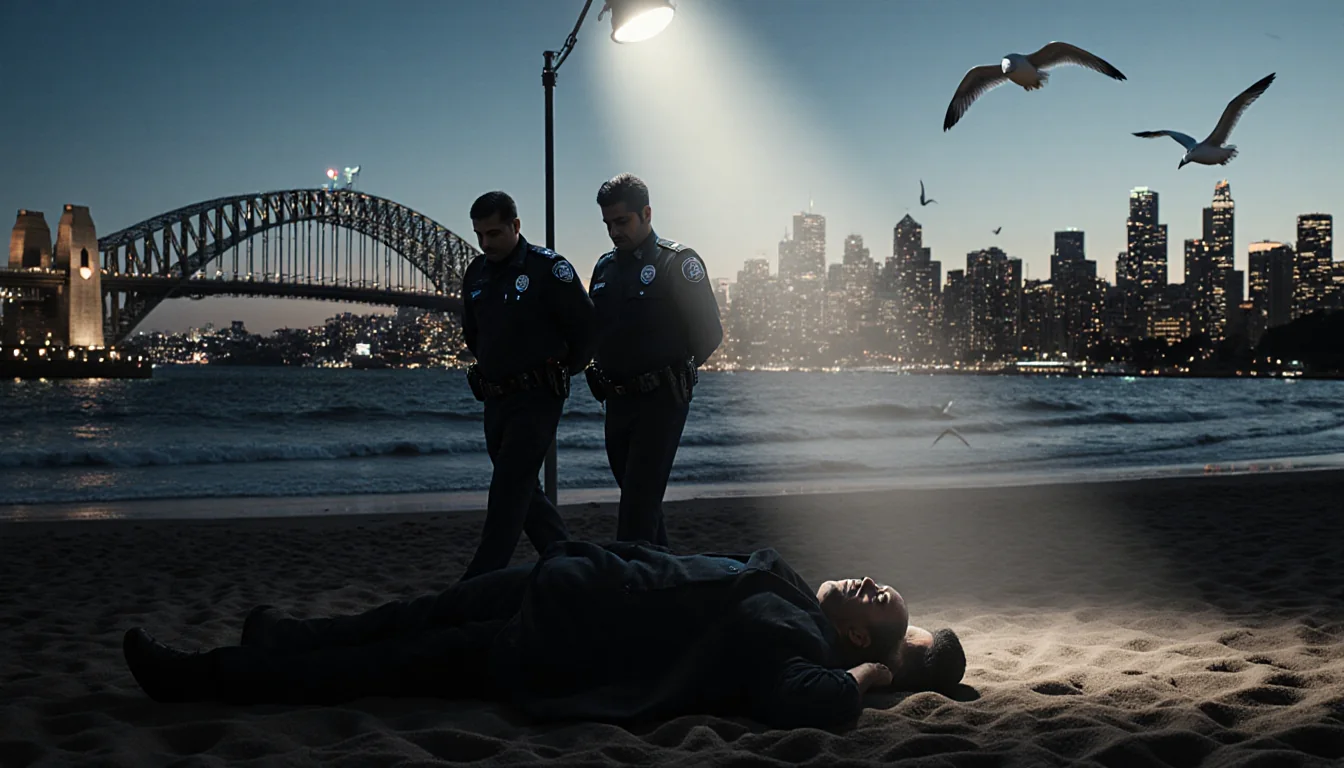
Part of Bondi Beach remained behind police tape as the investigation continued, with shoes and towels abandoned by fleeing people still scattered across the sand.
The Hanukkah celebration that the gunmen targeted will return to Bondi after 31 years, Ulman said, as a defiance of the attackers’ attempt to make Jews feel unsafe. He added, “Eli lived and breathed this idea that we can never ever allow them not only to succeed, but anytime that they try something we become greater and stronger.” He concluded, “We’re going to show the world that the Jewish people are unbeatable.”
Graham‑McLay reported from Wellington and McGuirk from Melbourne.
Key Takeaways
- Naveed Akram charged with 59 offences, including 15 murders, after a 15‑victim antisemitic attack on Bondi Beach.
- The attack left 15 Jews dead and more than 20 wounded; victims ranged from 10 to 87 years old.
- Authorities suspect the shooting was inspired by Islamic State; investigators are probing a November trip to the Philippines.
- Prime Minister Albanese pledged sweeping gun law reforms and actions to curb antisemitism.
- The community mourns, but also vows to continue the annual Hanukkah celebration as a statement of resilience.
The tragedy has sparked a national conversation about gun control, antisemitism and the adequacy of security for minority communities. As investigations proceed, Australia faces a profound social and political reckoning.