At a Glance
- The State Department will allow athletes, coaches and support staff from 39 banned countries to enter the U.S. for major sporting events.
- Foreign spectators, media and corporate sponsors remain barred unless they qualify for a separate exemption.
- The list covers everything from the NFL and NBA to Little League, Formula 1 and WWE events.
- Why it matters: International players can compete in U.S. leagues and qualifiers without visa disruption, keeping schedules intact for fans and broadcasters.
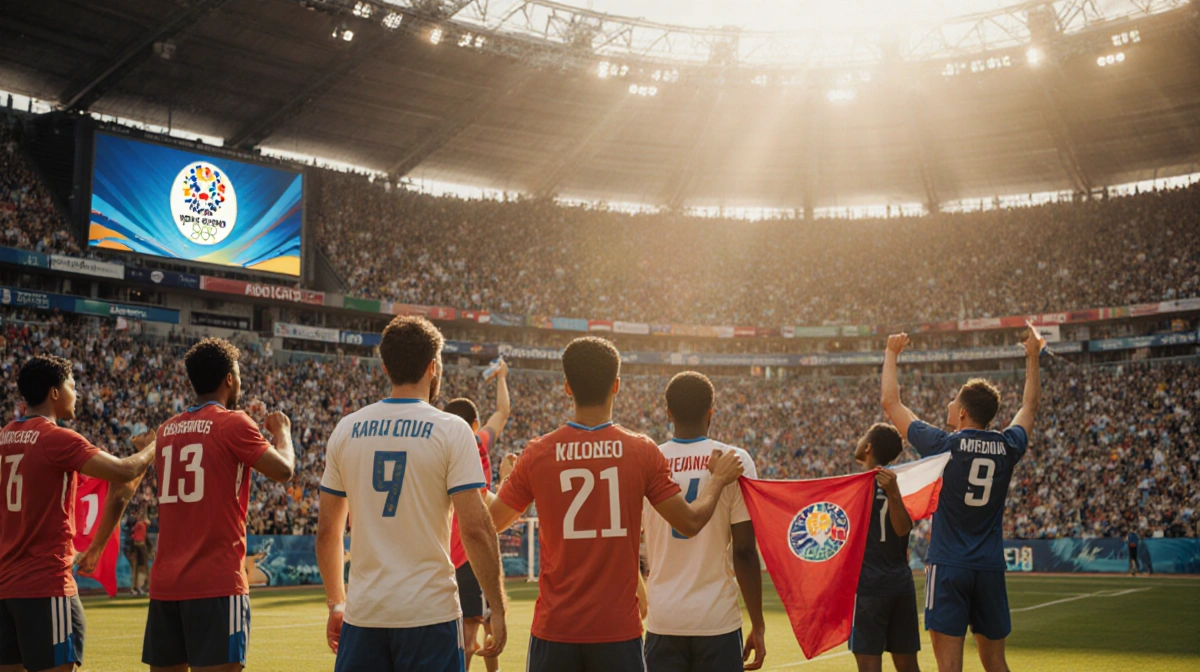
The Trump administration has carved out a broad exemption to its recent visa ban, letting athletes, coaches and support staff from nearly 40 countries travel to the U.S. for competitions ranging from the 2026 World Cup to regular-season NFL games.
A cable sent Wednesday to every U.S. embassy and consulate lays out which leagues and events qualify for the waiver, while stressing that foreign fans, journalists and sponsors still face the same restrictions as other travelers from the affected nations.
Who Gets In and Who Stays Out
Only “a small subset of travelers” will qualify, the State Department warned. The exemption covers:
- Olympic and Paralympic Games, plus all qualifiers
- Pan-American and Para Pan-American Games
- Special Olympics competitions
- Events sanctioned by a U.S. National Governing Body
- FIFA and confederation matches, including the 2026 World Cup
- International Military Sports Council contests
- International University Sports Federation events
- NCAA championships and regular-season games
- Full slate of U.S. pro leagues:
- NFL, NBA, WNBA, MLB, NHL, PWHL
- NASCAR, Formula 1
- PGA, LPGA, LIV Golf
- MLS, Major League Rugby
- WWE, UFC, All Elite Wrestling
- Little League Baseball
Travelers from the 39 countries under full or partial bans-and those holding Palestinian Authority passports-can obtain visas if they prove they are competing, coaching or providing essential support for one of these events. Spectators, media and corporate partners must seek a different exemption or stay home.
The Bans Behind the Waiver
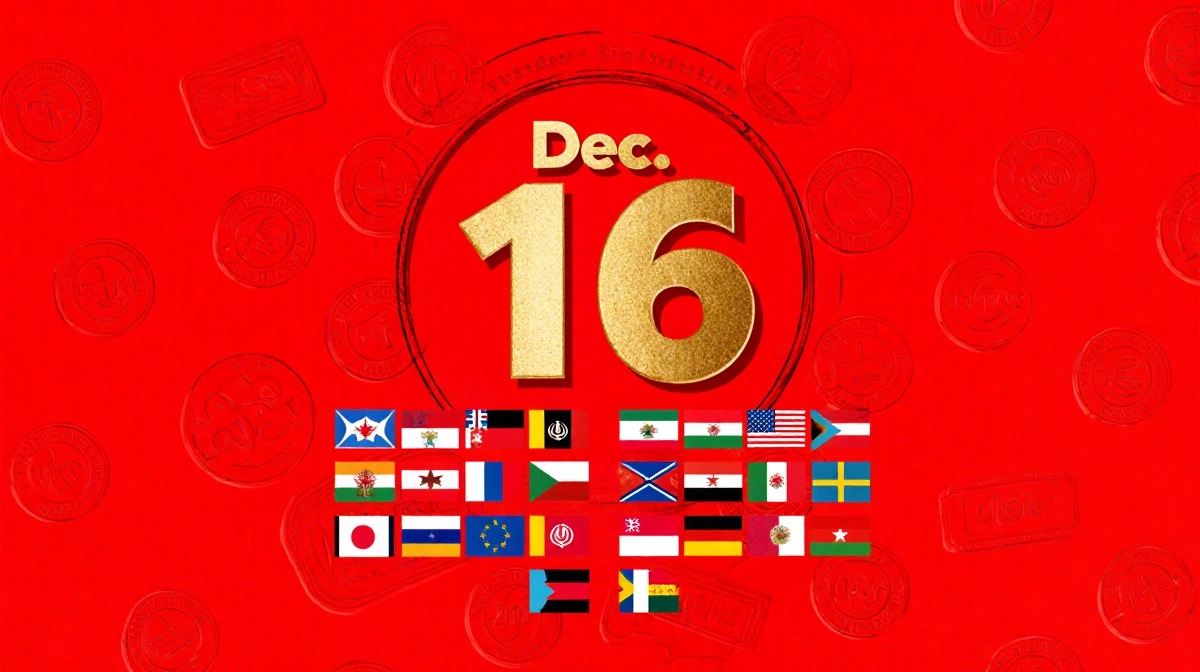
President Trump’s Dec. 16 proclamation suspended visa issuance to nationals of:
Full ban: Afghanistan, Burkina Faso, Chad, Republic of the Congo, Equatorial Guinea, Eritrea, Haiti, Iran, Laos, Libya, Mali, Myanmar, Niger, Sierra Leone, Somalia, Sudan, South Sudan, Syria, Yemen and Palestinian Authority passport holders.
Partial ban: Angola, Antigua and Barbuda, Benin, Burundi, Cuba, Dominica, Gabon, Gambia, Ivory Coast, Malawi, Mauritania, Senegal, Tanzania, Tonga, Togo, Venezuela, Zambia and Zimbabwe.
The order let the State Department decide which sporting events would receive waivers. Secretary of State Marco Rubio approved the expansive list released Wednesday, and officials said more leagues could be added later.
Administration Tightens and Tweaks at Once
The move illustrates the administration’s two-track approach: tighten most avenues for entry while protecting high-profile sports that rely on global talent. Trump signed a separate order creating a White House Task Force to coordinate 2028 Los Angeles Summer Olympics preparations, underscoring the political value placed on smooth Games.
Immigration and travel bans have formed a cornerstone of Trump’s second-term agenda. The sports exemption is one of the first detailed exceptions to emerge since the Dec. 16 proclamation, offering a glimpse at how the administration intends to balance restriction with economic and cultural priorities.
Key Takeaways
- Athletes and essential staff from banned countries can compete in the U.S. if their event appears on the State Department list.
- Fans and media from those same countries remain subject to the ban unless they qualify for unrelated waivers.
- The exemption covers marquee events like the World Cup and Olympics, but also routine league play from the NFL down to Little League.
- Additional leagues and competitions may be added, leaving room for further expansion as major events approach.