
At a Glance
- NASA will roll the SLS rocket and Orion spacecraft to Launch Pad 39B starting 7 a.m. ET on January 17
- The four-mile move will take 8-10 hours at under 1 mph before the historic crewed lunar flyby mission
- Artemis 2’s earliest launch window opens February 6, but only four days separate rollout, wet dress rehearsal, and that target
- Why it matters: Success keeps the U.S. on track for a 2026 Moon landing and deep-space supremacy over China
NASA is entering the home stretch for Artemis 2. The agency confirmed Friday that the first crewed flight to the Moon since Apollo will begin its journey to the launchpad in a matter of days.
Rollout Set for January 17
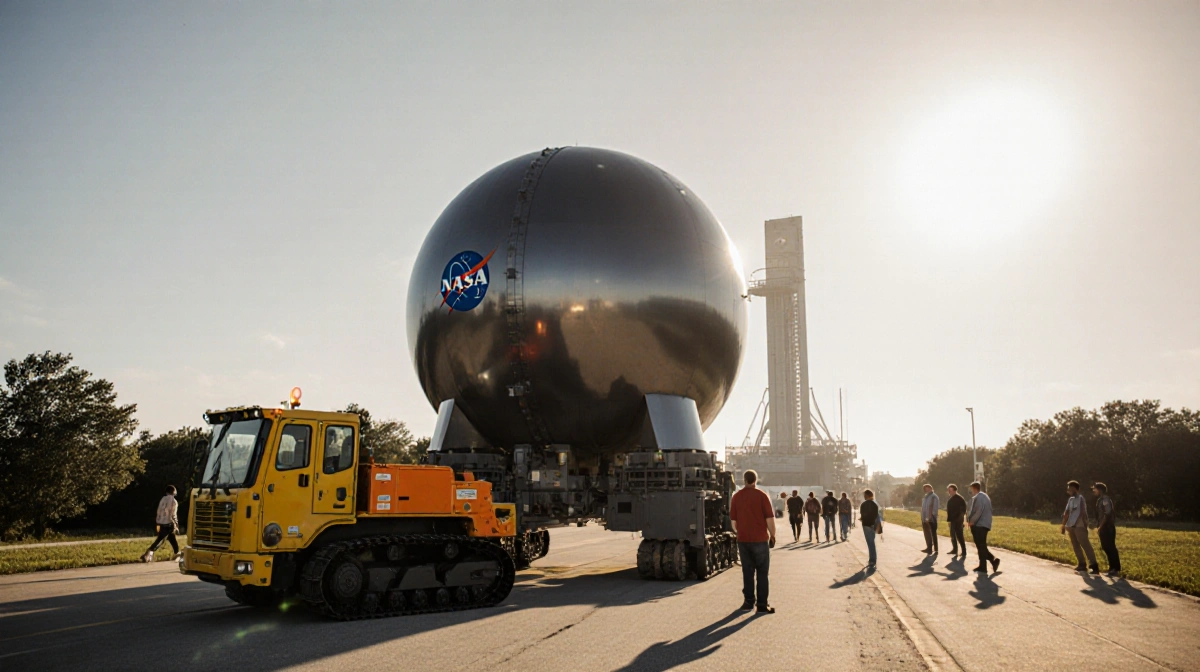
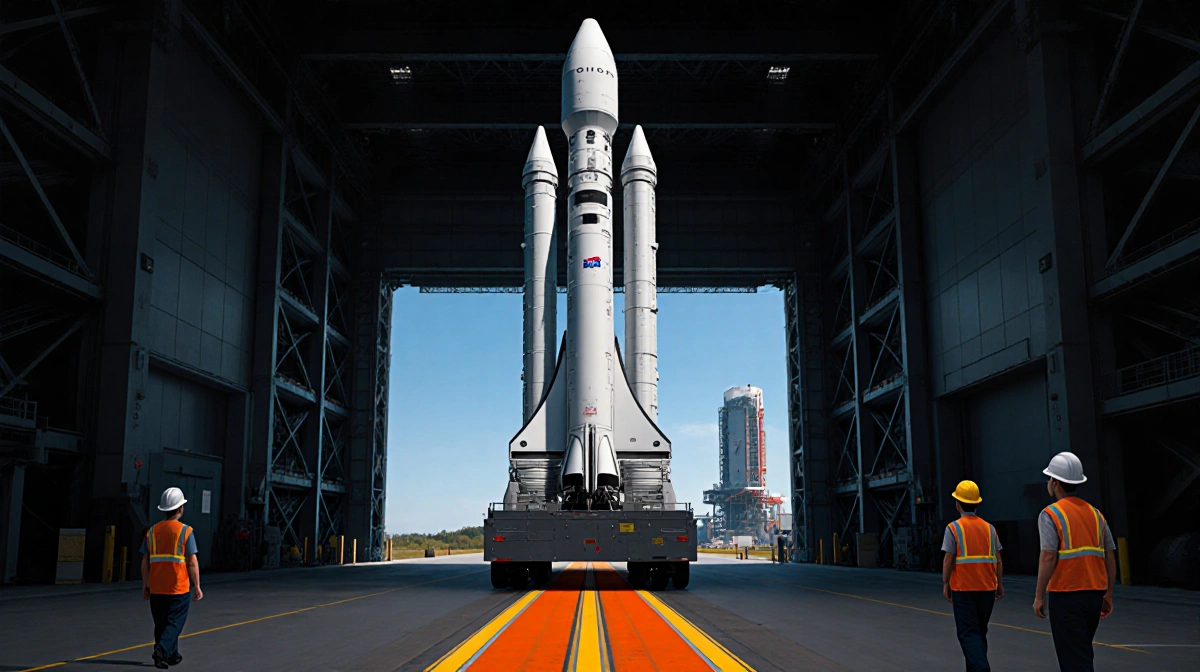
Starting no earlier than 7 a.m. ET Saturday, engineers will drive the fully stacked Space Launch System rocket and Orion crew capsule out of Kennedy Space Center’s Vehicle Assembly Building. The destination: Launch Pad 39B, four miles away.
Charlie Blackwell-Thompson, launch director for NASA’s Exploration Ground Systems Program, said the slow-speed trek should finish in 8-10 hours.
“About an hour after we get that first motion, you’ll begin to see this beautiful vehicle cross over the threshold of the VAB and come outside for the world to have a look,” she told reporters.
Live coverage begins at 7 a.m. on NASA’s YouTube channel, followed by a 9 a.m. media event featuring Administrator Jared Isaacman and the four Artemis 2 astronauts.
The Crawl to Pad 39B
After the rocket clears the building, crews will spend 45 minutes retracting the mobile launcher’s crew access arm. Once that is complete, the transporter will crawl toward the pad at just under 1 mile per hour (1.6 km/hr).
Upon arrival, teams will:
- Connect ground support lines
- Run interface tests
- Power up every integrated system for the first time
- Link the stack to the launch control center
The Artemis 2 crew-NASA’s Reid Wiseman, Victor Glover, Christina Koch, and Canadian Space Agency astronaut Jeremy Hansen-will then walk the emergency egress route.
Wet Dress Rehearsal Penciled for February 2
If pad checkouts go smoothly, NASA aims to conduct its wet dress rehearsal on February 2. The test will fuel the rocket and run a full countdown without igniting the boosters, a critical step before any launch attempt.
Current target launch dates are:
| Earliest Window | Backup Dates |
|---|---|
| February 6 | Feb. 7, 8, 10, 11 |
| March | Mar. 6, 7, 8, 9, 11 |
| April | Apr. 1, 3, 4, 5, 6, 30 |
Blackwell-Thompson cautioned that only four days separate the wet dress from the first launch opportunity. “We need to get through wet dress. We need to see what lessons that we learn as a result of that, and that will ultimately lay out our path toward launch.”
Mission Stakes
Artemis 2 will carry four astronauts around the Moon and farther into space than any humans have traveled. The flight is the final crewed test before Artemis 3 attempts the first lunar landing since 1972.
With schedules already years behind, NASA is under pressure to fly. The United States is racing China to return astronauts to the lunar surface, and every delay pushes the coveted 2026 landing date closer to potential competition.
Officials reiterated that crew safety outweighs schedule. Still, a successful Artemis 2 keeps the larger Moon-to-Mars program on track and proves humanity is ready for deep space once again.