

At a Glance
- The richest 1% use up their entire 2.3-ton annual CO₂ budget within the first 10 days of 2026
- The top 0.1% exhaust theirs in just three days
- Their investments could produce 2 million tons of CO₂ per billionaire per year
- Why it matters: Climate damage from this excess could cost poor nations $44 trillion by 2050
The world’s wealthiest residents have already blown past the carbon limits needed to keep warming at 1.5 °C, according to a January 9 analysis from Oxfam. The richest 1% emit 82.8 tons of CO₂ per person each year, enough to surpass the average person’s sustainable share in little more than a week.
A 10-Day Carbon Splurge
Using data from the Stockholm Environment Institute, Oxfam calculates that members of the global 1% burn through 0.227 tons of CO₂ daily. At that pace:
- They exceed the 2.3-ton annual budget-set to cap warming at 1.5 °C-on January 10, 2026
- The top 0.1% cross the line on January 3
- Private jets, superyachts, multiple mansions, and high-carbon investments drive the total
How the 2.3-Ton Budget Was Set
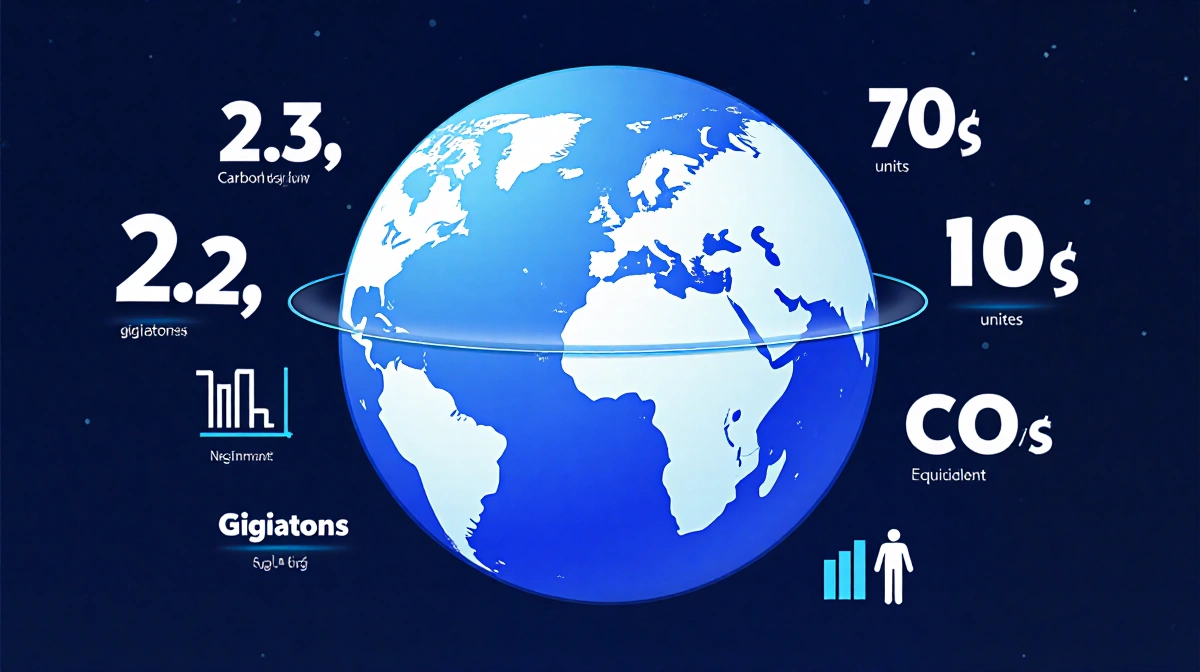
The Paris Agreement aims to keep warming below 2.7 °F (1.5 °C). The UN Emissions Gap Report translates that goal into a global ceiling of 24 gigatons of CO₂ equivalent by 2030. With CO₂ making up 74% of greenhouse gases, that leaves 17.8 gigatons of pure CO₂ to be shared among an expected 8.5 billion people-hence the 2.3-ton individual cap.
Investment Emissions Dwarf Personal Use
Beyond lifestyle emissions, the ultra-wealthy channel capital into heavily polluting industries:
- Each billionaire’s investment portfolio is linked to corporate emissions of about 2 million tons of CO₂ annually
- These indirect emissions far outstrip the carbon cost of their homes, travel, and consumption
$44 Trillion at Risk for Poor Nations
Oxfam warns that unchecked emissions by the super-rich could:
- Inflict $44 trillion in economic damage on low- and lower-middle-income countries by 2050
- Cause an estimated 1.3 million heat-related deaths among socio-economically vulnerable people this century from just one year of the 1%’s emissions
- Deepen existing inequalities, since marginalized groups have the fewest resources to adapt
Policy Tools to Rein in the 1%
Oxfam’s Climate Policy Lead Nafkote Dabi says leaders can “put the world back on track for climate targets” by:
- Raising income and wealth taxes on the super-rich
- Imposing excess-profit taxes on fossil-fuel companies
- Banning or heavily taxing carbon-intensive luxury goods such as private jets and mega-yachts
“By cracking down on the gross carbon recklessness of the super-rich, global leaders … unlock net benefits for people and the planet,” Dabi said.
Key Takeaways
- Fair-share carbon math shows the 1% exceed safe limits in days, not months
- Their investments, more than their lifestyles, lock in high emissions
- Without policy shifts, the poorest populations will pay trillions for the carbon excess of a privileged few