
At a Glance
- Millions online ironically claim “I’m so Chinese” while eating dim sum or wearing Adidas jackets.
- Celebrities Jimmy O Yang and Hasan Piker fuel the “Chinese time of my life” trend.
- Critics say the meme projects American anxieties onto an imagined China rather than reality.
Why it matters: The fad exposes US fears about decline while sidestepping real Chinese culture.
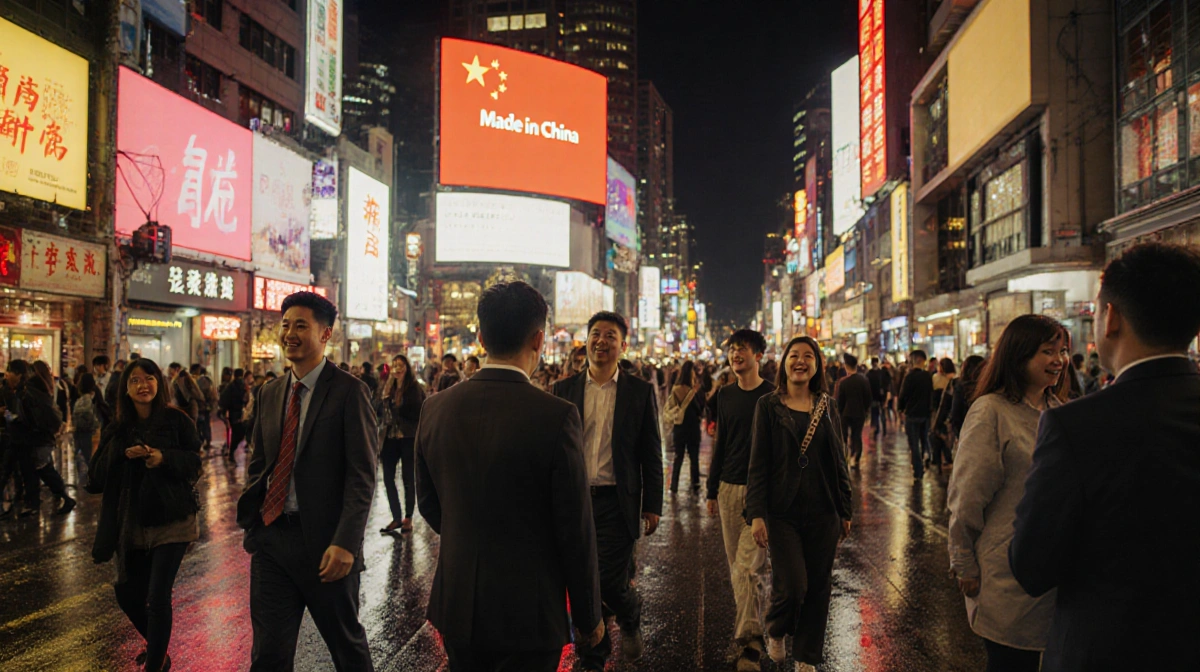
A new meme storm has swept TikTok, Instagram and YouTube. Users post clips of themselves slurping noodles or riding trains while declaring, “You met me at a very Chinese time of my life.” The joke has racked up millions of views, morphed into hashtags like #Chinamaxxing, and drawn in comedian Jimmy O Yang and left-wing streamer Hasan Piker. Creator Chao Ban’s video summed up the vibe: “Aren’t you scrolling on this Chinese app, probably on a Chinese-made phone, wearing clothes that are made in China, collecting dolls that are from China?”
The Rise of ‘Chinamaxxing’
- 340,000 likes on one TikTok that tells viewers to accept their “newfound Chinese identity.”
- Variations include:
- Chinamaxxing: acting increasingly more Chinese
- u will turn Chinese tomorrow: a tongue-in-cheek blessing
Harvard PhD researcher Tianyu Fang says the memes project “all of the undesirable aspects of American life-or the decay of the American dream.” As US infrastructure debates drag on and democratic norms erode, China’s bullet trains and skyline videos look like a shiny alternative. “When people say it’s the Chinese century, part of that is this ironic defeat,” Fang adds.
Made-in-China Reality Check
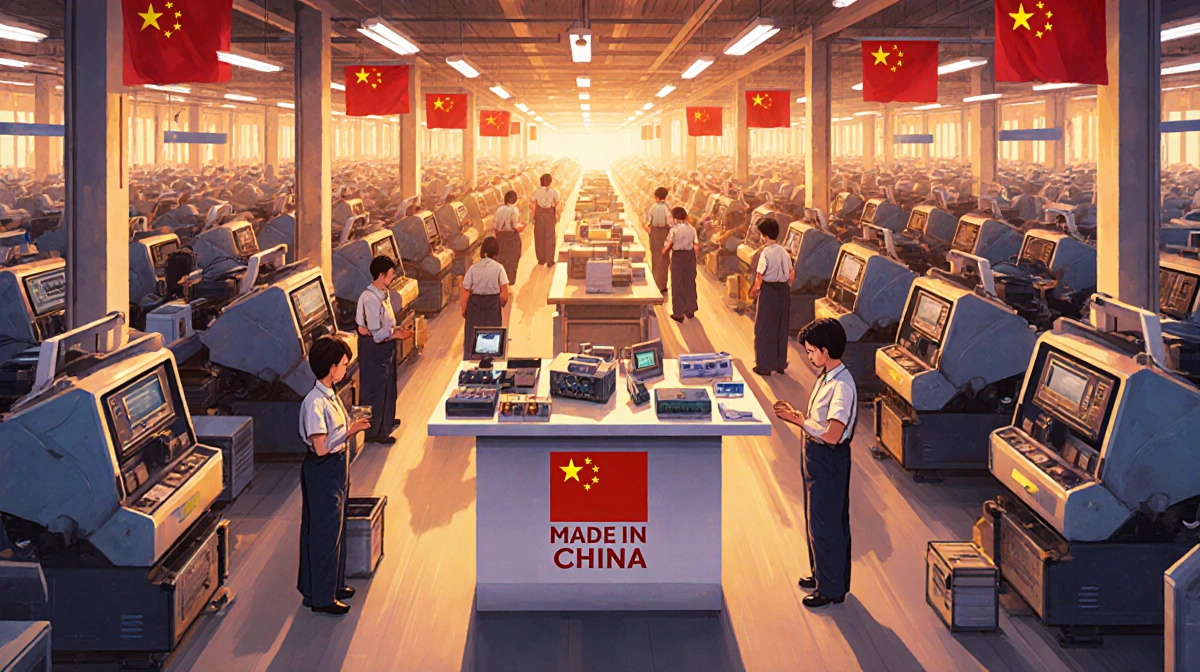
News Of Fort Worth‘s Made in China newsletter has catalogued the dominance:
| Product | Status |
|---|---|
| iPhones, laptops, robot vacuums | Built in China |
| Top-selling EV brand | Overtook Tesla last year |
| Most-discussed open-source AI model | Chinese |
| Viral toy Labubu | Manufactured in China |
| Solar panels across Global South | Chinese-made |
Tariffs shocked many shoppers into realizing that even “American” gadgets come from Chinese factories. Apps such as DHGate now let US buyers message factories directly, bypassing Amazon. AI translation tools erase language gaps, so a joke in Mandarin lands instantly in English.
State-Sponsored Content? Maybe, But It Falls Flat
Some posts probably receive covert backing from Chinese entities. Yet most government attempts at virality flop. “No matter how hard the state apparatus tries, its content will never be as viral as a random joke from a D-list Western creator,” the newsletter notes.
A Disposable Label?
| Supporters | Skeptics |
|---|---|
| Chinese diaspora creators join in, saying enjoying hot pot makes you Chinese | Artist Yunyun Gu: “It’s convenient to do surface-level stuff to feel part of a movement without internalizing Chinese culture” |
| Oriental-chic art sells | Meme ignores complex realities of being Chinese in America |
Writer Minh Tran jokes that ten years ago such antics would have triggered essays on cultural appropriation. Now the joke feels transgressive yet light. Still, some Chinese viewers wince at seeing orange-chicken cooking hailed as peak Chineseness. “Most of us are stuck being Chinese forever, including all the less fun parts,” one diaspora artist says, citing visa worries amid shifting US immigration rules.
Key Takeaways
- The meme’s popularity reflects US anxieties, not an accurate portrait of China.
- Chinese manufacturing dominance makes the joke feel timely.
- For actual Chinese people, the trend can trivialize deeper identity struggles.
- Social media cycles move fast; the next culture could be “Mexicanmaxxing” by 2027.
Whether the fad fades or grows, China’s tech and manufacturing clout means the “Chinese century” joke may linger well beyond TikTok’s next swipe.