
At a Glance
- Content creators like Olivia Yokubonis interrupt TikTok and Instagram feeds to urge viewers to log off
- A University of Melbourne study shows most users drastically underestimate their daily screen time
- 18% of Instagram users believe they’re addicted, yet only 2% show clinical risk signs
- Why it matters: These in-app “interventions” could help millions cut usage without quitting platforms cold turkey
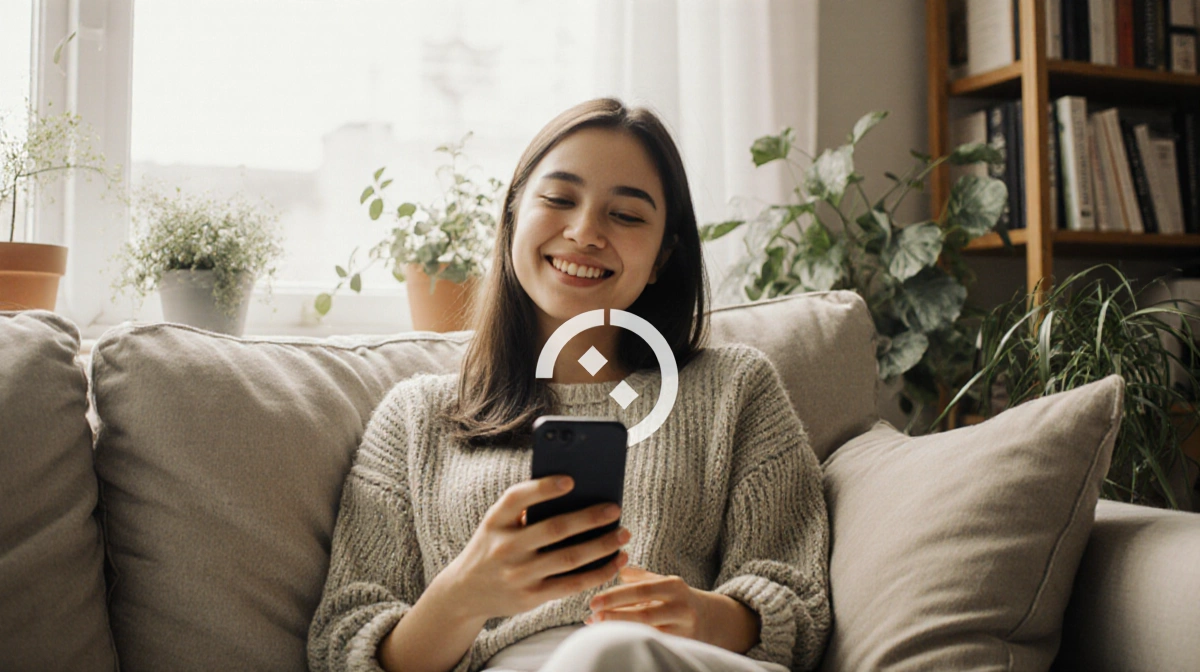
A 10-minute phone break morphs into 30 minutes before Olivia Yokubonis appears mid-scroll, calmly asking if you remember the video you watched two swipes ago. The 29-year-old creator, known online as Olivia Unplugged, has built a following by sabotaging the endless loop she once helped fuel.
Yokobonis now works for Opal, a screen-time app, but her TikTok and Instagram clips rarely mention the brand. Instead, she stares into the camera and delivers a gentle reality check: most viewers can’t recall what they just consumed. The tactic lands. Millions watch, like and share the posts, grateful for the nudge. Others fire off sarcastic replies about the irony of preaching logging off while still posting.
“People will comment and they’ll be like, ‘Oh, it’s ironic that you’re posting.’ And I’m like, ‘Where else am I supposed to find you, Kyle? Outside? You’re not outside. You are here, sitting here,'” she said.
The Shock of Real Screen Time
Ofir Turel, an information-systems-management professor at the University of Melbourne, has spent years measuring social-media habits. In lab sessions he shows participants their actual usage stats. The reaction is almost universal.
“Most people have no clue how much time they spend on social media,” Turel said. Presented with hard data, subjects enter “a state of shock” and often voluntarily reduce their minutes afterward.
Yokubonis taps that same discomfort. By inserting a human face into algorithmic feeds, she hopes to replicate the jolt without requiring a research lab.
Inside the Anti-Scroll Movement
She is part of a small but growing cadre of creators who weaponize virality to fight virality. Accounts vary in tone-some shout, some whisper-but the message is identical: close the app. The approach works best when branding is invisible. Yokubonis keeps logos and download links off her main feed, slipping them only into her bio.
“People love hearing from people,” she said. “It’s a fine line and a balance of finding a way to be able to cut through that noise but also not adding to the noise.”
Ian A. Anderson, a postdoctoral scholar at the California Institute of Technology, studies attention economics. He calls the in-feed disruption “interesting intervention from the inside” yet questions depth of impact. Habitual scrollers, he notes, may register the clip without absorbing it.
“If they’re paying full attention, I feel like it could be an effective disruption, but I also think there is a degree to which, if you are really a habitual scroller, maybe you aren’t fully engaging with it,” Anderson said.
Is ‘Addiction’ the Right Word?
Debate flares among researchers over whether heavy social-media use qualifies as clinical addiction. Some argue the label requires identifiable withdrawal symptoms; others accept the term because it resonates with users.
Anderson tested the gap between perception and reality. In a representative sample of active Instagram users:
- 18% self-reported being “at least somewhat addicted”
- 5% endorsed “substantial” addiction
- Only 2% met risk criteria based on behavioral symptoms
Believing you’re addicted, he found, can backfire. “If you perceive yourself as more addicted, it actually hurts your ability to control your use or your perception of that ability and makes you kind of blame yourself more for overuse,” Anderson explained.
Practical Tactics to Cut Back
Experts recommend light-touch moves first:
- Shuffle the app’s location on your home screen
- Disable push notifications
- Leave the phone outside the bedroom
These tweaks reduce frictionless access without demanding massive willpower.
Cat Goetze, creator of the TikTok channel CatGPT, reinforces that self-blame misses the bigger picture. “There’s a whole infrastructure-there’s an army of nerds whose only job is to get you to increase your time spent on that platform,” she said. “It’s not your fault and you’re not going to win this just through willpower.”
Goetze turned her critique into a product line. Her company Physical Phones sells Bluetooth landline handsets that pair with smartphones, nudging owners toward offline blocks. The packaging reads: “offline is the new luxury.” Sales took off after she marketed the device to her social audience-proof, she says, that demand for off-ramps is real.
“Social media will always play a part in our lives. I don’t necessarily think that’s a bad thing,” Goetze said. “If we can get the average screen time down from, if it’s 10 hours for a person to one hour, or from three hours to 30 minutes, that is going to be a net positive benefit for that individual and for society.”
Key Takeaways
- Creators are hacking the algorithm to remind users they have agency
- Most people underestimate usage until confronted with data
- Labeling yourself “addicted” can undermine self-control
- Small environmental tweaks-moving apps, silencing alerts-can significantly reduce screen time without total abstinence