
At a Glance
- President Trump is privately pressing Canada to boost Arctic defense spending, warning its border is vulnerable to Russia and China.
- No U.S. troops on Canadian soil are under discussion, and Trump is not seeking to purchase or militarily seize Canada.
- Talks focus on joint patrols, early-warning upgrades, and training as part of a broader Western Hemisphere strategy.
- Why it matters: The push could reshape North American security ties and intensify U.S. efforts to counter Moscow and Beijing in the Arctic.
President Donald Trump is privately escalating his focus on Canada’s Arctic vulnerability, repeatedly telling aides that Ottawa must spend more on defense to block Russian and Chinese encroachment, according to two current U.S. officials, a senior administration official, and three former senior officials familiar with the discussions.
As advisers map out Trump’s goal of acquiring Greenland, the president has grown increasingly frustrated with what he views as Canada’s similar inability to defend its northern frontier. The concern has accelerated internal talks on a broader Arctic strategy and the possibility of a bilateral agreement with Canada this year to harden its northern border.
“Trump is really worried about the U.S. continuing to drift in the Western Hemisphere and is focused on this,” one official said.
No Invasion, No Purchase
The current officials stressed there is no discussion of stationing American troops along Canada’s northern border. Unlike Greenland, Trump is not seeking to purchase Canada or threatening military force, the senior administration official and current and former officials said.
The intensified private focus on Canada arrives as Trump converts long-standing criticisms of Western Hemisphere neighbors into action. This year he:
- Used the U.S. military to oust Venezuela’s leader and take over its oil industry.
- Threatened Cuba’s regime.
- Warned Colombia and Mexico of possible intervention to curb drug flows.
- Repeatedly stated plans to acquire Greenland-by purchase or force-spurring allied negotiations.
“Solidifying” the Hemisphere
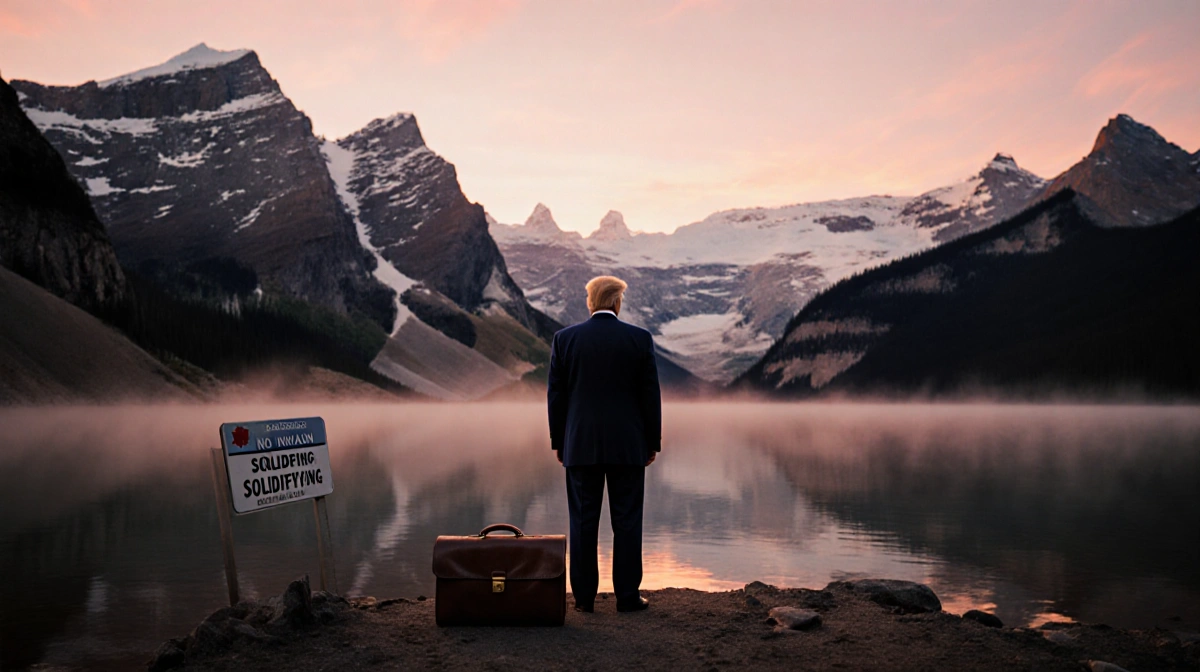
Protecting Canada’s northern border fits Trump’s vision of “solidifying” the Western Hemisphere under U.S. leadership. On Saturday he claimed U.S. ownership of Greenland would also benefit Canada.
“At the end of the day, this is to stop Russia and China from having a further presence in the Arctic,” the senior administration official said. “Canada stands to benefit from the U.S. having Greenland.”
Canada publicly maintains that Greenland’s fate is for Greenland and Denmark to decide. Prime Minister Mark Carney said Friday that Ottawa backs Denmark as a NATO ally.
White House spokesperson Anna Kelly pointed to an executive order Trump signed last April that “underscores the United States’ commitment to ensuring both freedom of navigation and American dominance in the Arctic waterways.”
The Canadian Embassy in Washington did not respond to a request for comment.
Quiet Talks Underway
Behind Trump’s private complaints, U.S. officials are negotiating with Canadian counterparts on deeper military cooperation in the Arctic. Options on the table include:
- Updating early-warning systems that detect approaching aircraft or vessels.
- Expanding joint U.S.-Canadian military training and operations.
- Increasing joint air and maritime patrols, plus more U.S. ship patrols in Arctic waters.
The Pentagon’s Arctic working group has already warned the White House that Canada’s exposure to China and Russia along its northern border ranks among the region’s top U.S. concerns, current and former officials said.
Defense-Spending Friction
Trump has long faulted Canada for insufficient defense outlays, a grievance he has repeated privately in recent days. From his vantage point, Ottawa’s current budget leaves it unable to counter Chinese or Russian moves in the Arctic.
“They certainly need to up their game when it comes to Arctic capabilities,” one official said, calling the status quo “not acceptable given today’s threats.”
Canada is raising defense spending but remains below NATO’s 2 percent of GDP target. “The world doesn’t see Canada as a major force when it comes to defense,” the senior administration official said.
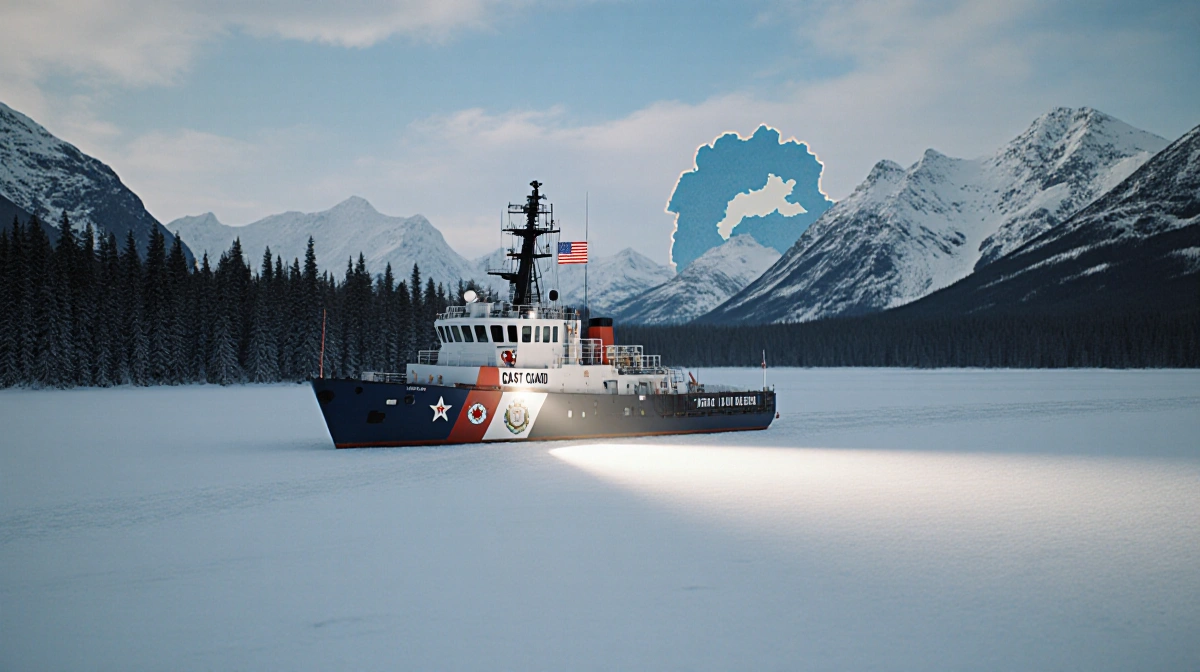
Trump has expressed interest in buying more icebreakers for Arctic maritime patrols, a potential line item in next year’s defense budget, current and former officials noted.
Carney Courts China
The timing is delicate: Prime Minister Carney was in Beijing this past week, urging stronger Canada-China ties and referencing “the new world order.” On Friday he met President Xi Jinping, the first Canadian leader to visit China since 2017.
Asked Friday about Carney’s outreach to Beijing, Trump replied, “That’s a good thing. If you can get a deal with China, you should do that.”
Public Rhetoric Cools
While Trump threatened last year to use “economic force” to make Canada the “51st state,” those public clashes have lately simmered. Privately, administration officials expect the lower volume to continue as long as bilateral talks remain productive.
Although Trump has not ruled out military force for Greenland, he told NBC’s “Meet the Press” last year that using force against Canada is “highly unlikely.”
On Friday a bipartisan U.S. congressional delegation met Danish and Greenlandic leaders in Copenhagen to reaffirm congressional support, even as Trump keeps the acquisition option alive.
Key Takeaways
- Trump’s private pressure on Canada centers on Arctic defense gaps, not territorial acquisition.
- Joint patrols and upgraded warning systems are the near-term goals.
- Canada’s defense spending remains a sore point as Trump tries to block Russian and Chinese Arctic expansion.
- Public tensions have eased, but behind-the-scenes talks could reshape continental security arrangements.