
A wildlife photographer’s accidental glimpse in Italy’s Stelvio National Park has revealed a trove of dinosaur footprints that date back 210 million years, offering a rare window into the Triassic Period.
Discovery
In September, Elio Della Ferrera was photographing deer and vultures when his camera caught a vertical wall roughly 600 meters above the nearest road. The wall, located 2 400–2 800 meters above sea level on a north‑facing slope that remains mostly in shade, hid a vast array of tracks. Della Ferrera climbed the rock face with difficulty to investigate, saying “The huge surprise was not so much in discovering the footprints, but in discovering such a huge quantity,”. He estimated tens of thousands of prints, many still well‑preserved.
Footprints and Species
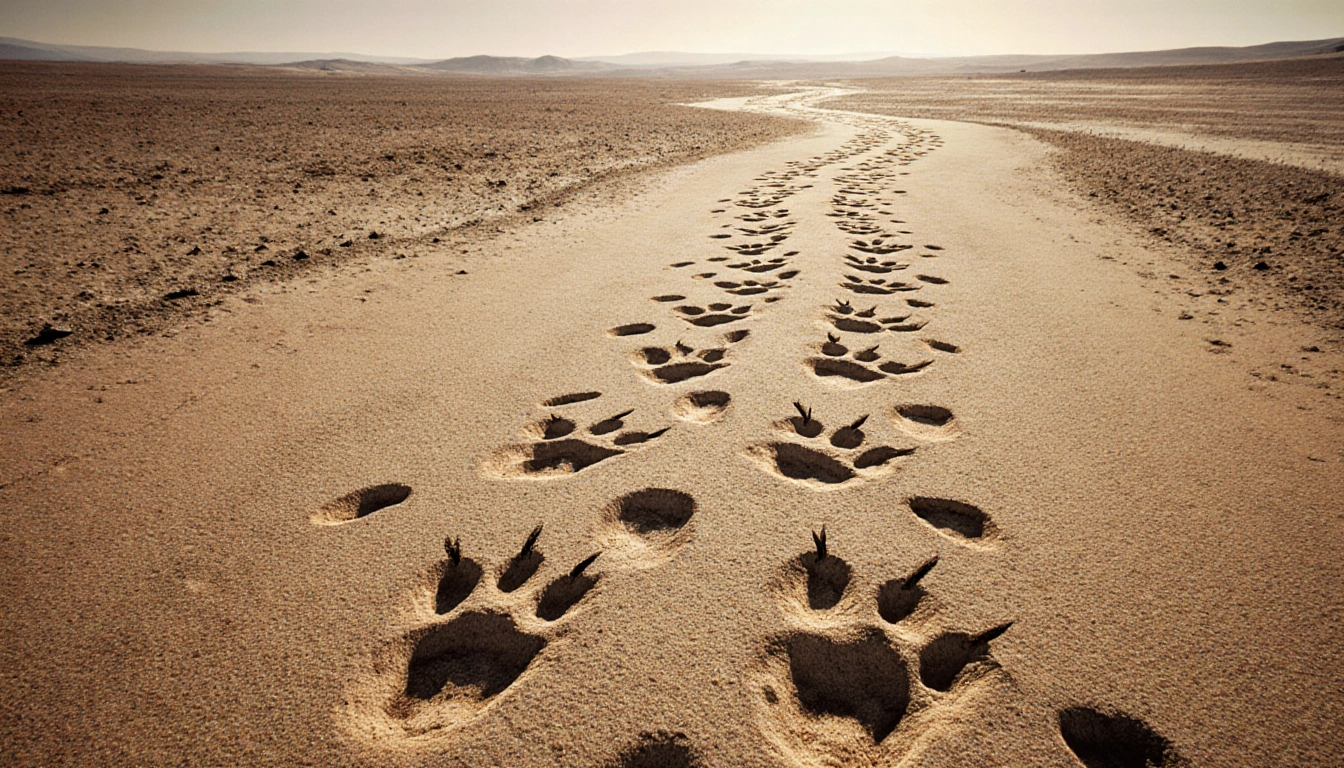
The prints span about five kilometers, or three miles, and number as many as 20,000. They belong to long‑necked, bipedal herbivores that were up to 10 meters (33 feet) long and weighed up to four tons, comparable to a Plateosaurus, according to paleontologist Cristiano Dal Sasso. Some tracks measure 40 centimeters in width and show visible claws. Dal Sasso added, “This time reality really surpasses fantasy.”
Behavioral Insights
Analysis of the trackways suggests the dinosaurs moved in packs and occasionally stopped in circular formations, perhaps as a protective measure. “There are very obvious traces of individuals that have walked at a slow, calm, quiet rhythmic pace, without running,” Dal Sasso told a press conference. The pattern indicates coordinated group movement rather than solitary travel.
Geological and Historical Context
The site lies near the Swiss border, an area that was once a prehistoric coastal plain. Until now, no dinosaur tracks had been found in this region. The footprints provide evidence that the area supported large herbivorous dinosaurs during the early Triassic, a time when life was recovering after the Permian extinction.
Olympic Connection
The discovery is located just two kilometers (a mile) from the town of Bormio, where men’s alpine skiing will take place during the 2026 Winter Games scheduled for February 6‑22. The site is close to the 2026 Milan‑Cortina Winter Olympic venue of Bormio. Lombardy governor Attilio Fontana described the find as a “gift for the Olympics,” though he noted the remote location would make winter access difficult.
Governance and Public Access
While the discovery has attracted international attention, no plans for public access have been announced. The remote, high‑altitude setting limits the feasibility of visitor infrastructure during the winter season. Officials have not yet outlined a strategy for integrating the site into the Olympic narrative or broader tourism initiatives.
Key Takeaways
- 20,000 Triassic dinosaur footprints discovered in Stelvio National Park, Italy.
- Tracks belong to long‑necked herbivores up to 10 m long, similar to Plateosaurus.
- Footprints indicate pack behavior and slow, rhythmic movement.
The find offers a unique glimpse into early dinosaur life and connects Italy’s natural heritage with its upcoming Winter Olympics, even as access and preservation challenges remain to be addressed.