

At a Glance
- Smart plugs only add remote on/off power control, not true intelligence
- Devices with physical switches or mode selection still need manual input
- Best suited for lamps, simple appliances, and outdoor decorations
- Why it matters: Knowing these limits saves money and prevents disappointment
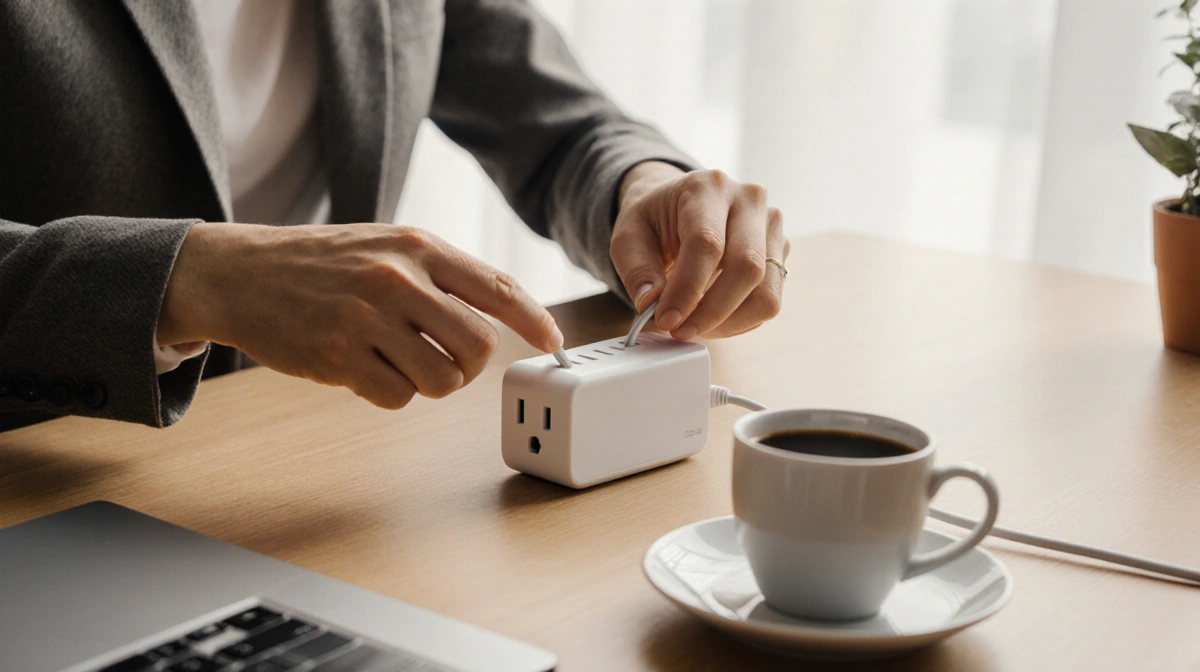
Smart plugs promise to make any device “smart,” but that claim comes with strict limits. A smart plug only controls power flow; it cannot press buttons, select modes, or wake sleeping electronics. Understanding these boundaries determines whether a plug solves your problem or becomes another abandoned gadget.
What a Smart Plug Actually Does
A smart plug sits between the wall outlet and your device, letting you cut or restore power through an app, voice command, or schedule. Once installed, you can flip a lamp on from bed, shut off the TV at 11 pm, or have outdoor lights greet you at sunset.
The catch: restoring power rarely turns modern devices back on. TVs, coffee makers, and kettles still need a human to push buttons or choose settings. The plug’s schedule cannot override that requirement.
Devices That Work
Look for items with a simple mechanical switch you can leave in the “on” position:
- Table and floor lamps with rotary or toggle switches
- Dumb string lights or inflatable decorations
- Basic coffee makers that brew when power arrives
- Fans or heaters without digital controls
Outdoor plugs deserve special mention. The Cync Outdoor Smart Plug ($19) packs two weather-resistant outlets on a short cord, perfect for holiday inflatables or landscape lighting.
Devices That Fail
Skip smart plugs for anything that needs post-power input:
- Electric kettles requiring temperature selection
- Espresso machines with grind or shot menus
- TVs that stay in standby until the remote wakes them
- Computers that must boot and log in
If the device greets you with blinking clocks or menu screens, a plug cannot finish the job.
Top Plugs Tested by News Of Fort Worth
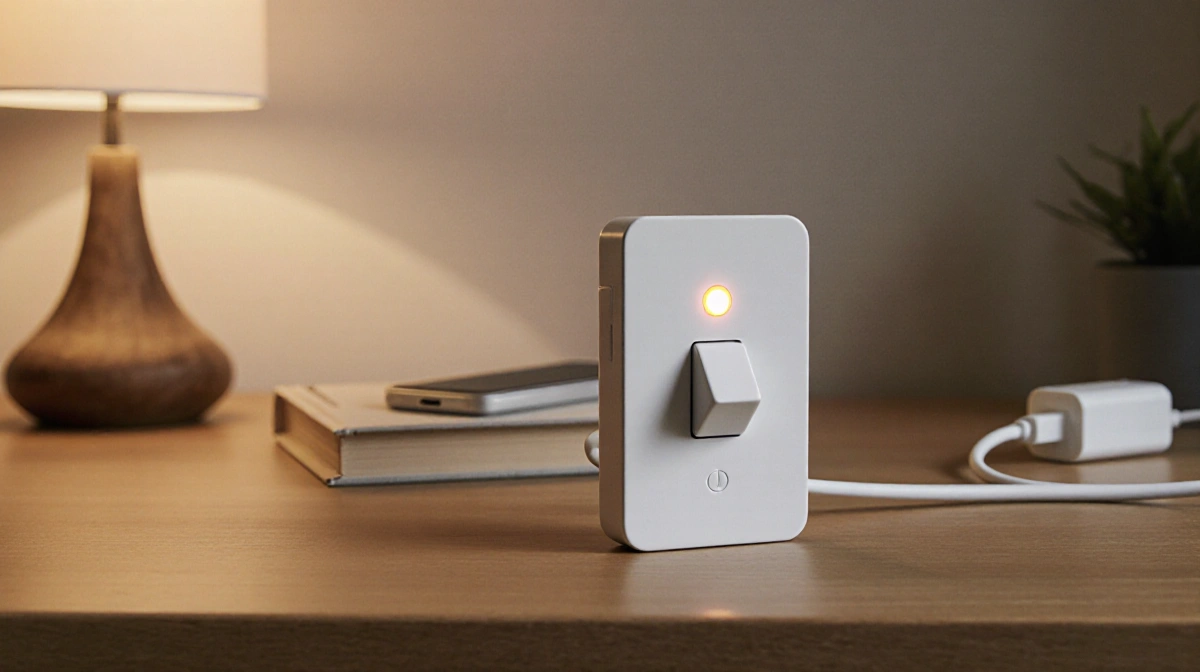
TP-Link Tapo Matter-Certified Smart Plug Mini (P125M)
- Price: $19 for a 3-pack
- Matter support skips proprietary apps; pair directly with Apple, Google, or Alexa hubs
- Compact body leaves adjacent outlet free
Cync Outdoor Smart Plug
- Price: $19
- Two grounded outlets rated for wet locations
- Works with Google and Alexa only
Meross Wi-Fi Smart Plug Mini (MSS110)
- Price: Slightly above average
- Built for Apple HomeKit; also speaks Google, Alexa, SmartThings
- Requires an Apple TV, HomePod, or iPad as hub
TP-Link Kasa Mini Smart Plug EP10
- Price: Budget-friendly
- Same features as larger Kasa plugs in a tiny housing
- Optional energy-monitoring variant (EP25) costs $23
Honorable Mentions
Amazon’s $25 Alexa Smart Plug guarantees zero extra apps, yet any Matter plug offers the same seamless Alexa pairing. Buy it only if you refuse to leave the Amazon ecosystem.
Control Away From Home
All recommended plugs connect to Wi-Fi, so you can toggle them anywhere the internet reaches. Schedules live on the plug’s memory; if Wi-Fi drops, timers still run.
Smart Plug vs. Smart Bulb for Lamps
A plug controls the entire lamp; a bulb only replaces the light source. Choose plugs when you like the existing fixture or need to switch multiple bulbs at once. Choose bulbs when you want dimming or color features.
How News Of Fort Worth Tests
Derrick M. Collins leaves plugs installed for weeks, running daily schedules through Alexa, Google, and Apple Home. Tests include Wi-Fi dropouts, outlet overcrowding, and outdoor weather exposure. Only plugs that survive this routine earn a recommendation.
Key Takeaways
Smart plugs excel at one job: remotely cutting or restoring power. Match that strength to simple devices and you’ll gain convenience without frustration. Expect anything more and the plug becomes another drawer-bound gadget.