


Doctors now say the right hobby can do more than fill spare time-it can protect memory, mood, and long-term cognitive health.
At a Glance
- Ten everyday activities combine physical, mental, and social elements that neurologists link to slower cognitive decline
- Research shows dancing grows hippocampal volume, bilingualism delays dementia onset, and meditation strengthens the pre-frontal cortex
- Why it matters: Simple, enjoyable habits started in 2026 could cut future risk of depression, anxiety, and dementia while boosting day-to-day focus and emotional balance
Neurologists increasingly prescribe hobbies that layer aerobic movement, mental challenge, and human connection. “The best strategy for maintaining good brain health is to combine physical exercise, mental challenges, and social interactions,” Dr. Eva Feldman, director of the ALS Center of Excellence at University of Michigan Health, tells News Of Fort Worth. “Choose one or two hobbies that check all three boxes.”
Meditation
Meditation reduces anxiety and depression while strengthening the pre-frontal cortex, the region tied to attention and decision-making.
- Decreases activity in the amygdala, the brain’s threat detector
- 2014 review links practice to better memory, executive function, and sustained attention
- Options range from mindfulness and breath work to yoga or nature grounding
“Make it part of your daily morning routine,” advises Dr. Elizabeth Bevins, neurologist at University of California, San Diego.
Dancing
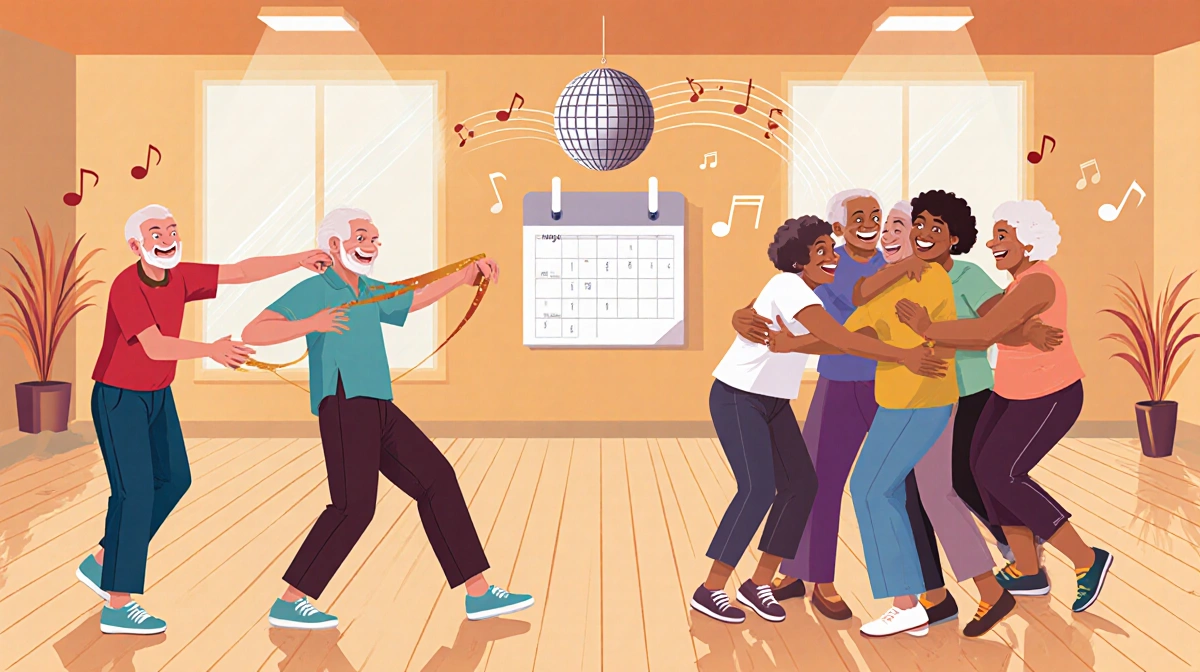
Dancing remains one of the most complete brain workouts, engaging memory, coordination, rhythm, and social interaction at once.
- Increases blood flow to the brain and births new hippocampal neurons
- 2018 study: older adults who danced gained balance, attention, and hippocampal volume compared with standard exercisers
- Elevates mood hormones while slashing stress hormones
“It’s one of the most powerful ways to boost brain health,” says Dr. Wendy Suzuki, professor of neural science and psychology at New York University.
Word and number games
Crosswords, Wordle, Sudoku, and similar puzzles target cognitive flexibility, memory, and reasoning-skills that weaken without regular use.
- Long-running studies tie frequent word-puzzle play to slower cognitive decline
- Strengthens neural networks used in problem-solving and attention switching
- Can be done solo or with friends, on paper or screens
Walking
Consistent walking, especially with companions, increases hippocampal volume and improves memory in older adults.
- Randomized trial: regular walkers outperformed sedentary peers on memory tests
- Aerobic motion boosts blood flow and births new neurons
- Even stair-climbing or short break-time laps add up when repeated daily
“Planned walks with a friend keep you accountable,” notes Dr. Shlee Song, medical director of the Comprehensive Stroke and Telestroke Program at Cedars-Sinai.
Learning a new language
Acquiring unfamiliar vocabulary and grammar taxes memory, attention, and executive control, fortifying neural networks.
- Bilingualism correlates with delayed onset of dementia symptoms
- App-based lessons also stimulate reward centers and flexible thinking
- Daily 10- to 15-minute sessions yield measurable cognitive gains within months
Puzzles
Jigsaw puzzles demand visual perception, planning, memory, and sustained attention, often while participants chat or collaborate.
- 2018 study ties long-term puzzle engagement to healthier cognitive aging
- Provides focused respite from stress, boosting mood and self-efficacy
- Works across ages; difficulty can scale from 100 to 2,000 pieces
Learning a musical instrument
Playing an instrument enhances connectivity among brain areas handling hearing, timing, and concentration.
- Brain imaging shows improved motor skills and sound processing
- Twin study: the musician twin faced lower dementia risk than the non-musician sibling
- Re-learning an instrument from adolescence delivers similar benefits
Knitting
Knitting builds neural connections through trial-and-error learning, requiring planning, sequencing, and problem-solving.
- Rhythmic hand motions trigger a relaxation response, lowering stress hormones
- Group classes and knitting circles add social support
- Finished projects deliver a sense of accomplishment and tangible proof of progress
Painting or other visual arts
Creating visual art lowers cortisol, the stress hormone tied to memory impairment when chronically elevated.
- Trains sustained attention and tolerance for ambiguity
- Externalizes emotion, aiding processing when words fall short
- Finished pieces provide purpose and a lasting visual record of growth
Joining a book club
Reading strengthens language processing, memory, and imagination; discussing content layers on social and cognitive complexity.
- Explaining plots or arguments sharpens memory and language centers
- Fiction builds empathy; nonfiction challenges knowledge integration
- Annotating or summarizing chapters aloud amplifies neural engagement
How to start-and stick with-a new hobby
Start small: commit to 10 minutes a day at first to avoid early burnout.
Pair with an existing habit: practice right after dinner or during lunch to automate the routine.
Leverage social accountability: share goals with friends or join group classes for built-in encouragement.
Choose activities you already lean toward; existing curiosity fuels persistence when challenges arise. “Most people get discouraged when they try to take on too much too quickly,” Suzuki notes.
Key takeaways
Any hobby that blends movement, mental stretch, and human connection can trim stress, elevate mood, and protect against cognitive decline. Beginning with bite-size daily sessions and linking the activity to current habits raises the odds the practice will last beyond January. Neurologists agree: it is never too late to start, and sustained effort delivers measurable brain benefits for years to come.