At a Glance
- Adrian Gonzales, first officer on scene, faces 29 counts of child endangerment.
- Prosecutors say he ignored active-shooter training and never engaged the gunman.
- Jurors saw blood-spattered classroom photos and heard 911 calls from trapped students.
- Why it matters: A conviction could set precedent for charging officers who fail to act during mass shootings.
The second week of Adrian Gonzales’s trial begins Monday, with prosecutors arguing the former Uvalde school officer did nothing to stop the May 24, 2022 massacre that left 19 students and two teachers dead. Gonzales, 52, has pleaded not guilty to 29 counts of child abandonment or endangerment.
Cameron R. Hayes reported that opening days replayed emergency calls and brought teachers and a grieving mother to the stand. Week two may add police-training experts and more victim families; it remains unclear if Gonzales will testify.
Focus stays on one officer, not the wider response
Gonzales was among the first of more than 370 officers who converged on Robb Elementary. Despite the massive presence, more than an hour passed before a tactical team killed 18-year-old gunman Salvador Ramos.
The trial narrows to Gonzales’s early moments on scene:
- Prosecutors contend he abandoned active-shooter protocol and never tried to engage or distract Ramos outside.
- They say he retreated with other officers when gunfire erupted inside, even as students dialed 911 from the classroom.
Special prosecutor Bill Turner told jurors: “When a child calls 911, we have a right to expect a response.”
Defense attorneys counter that Gonzales never saw the gunman outside and helped evacuate students from other rooms. They stress the shooter entered through an unlocked door.
Mother and teachers recount terror
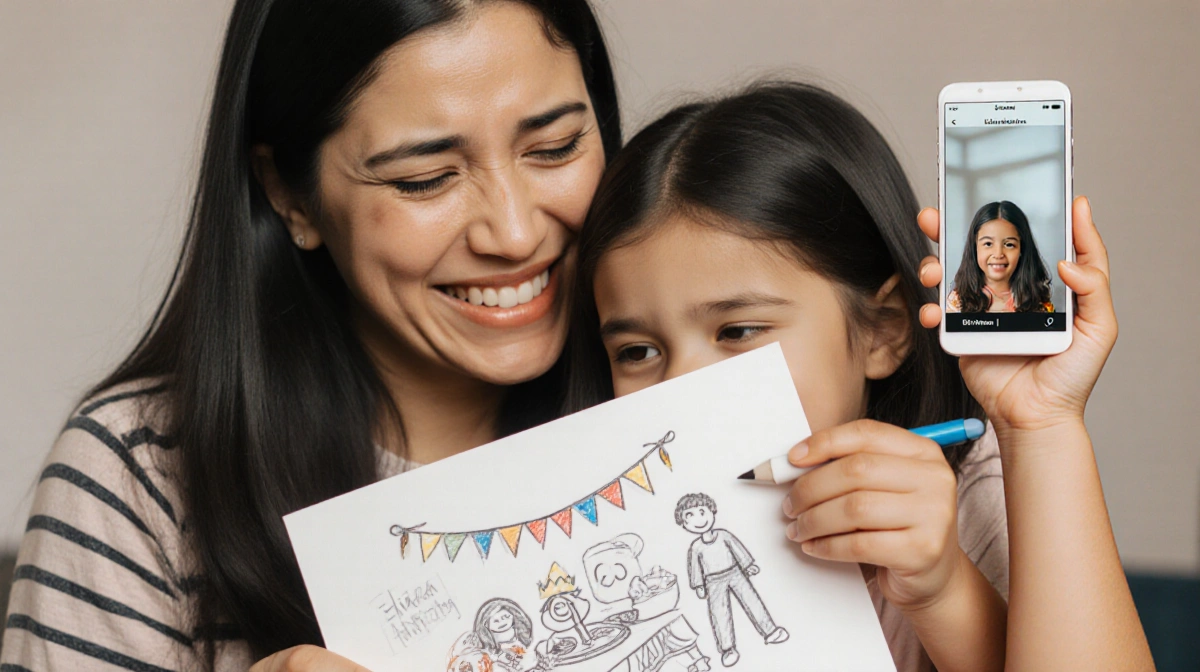
Jennifer Garcia testified her 9-year-old daughter, Eliahna Garcia, begged to leave after an awards ceremony but stayed for a class pizza party. “She wanted to come home,” Garcia said, fighting tears. “I told her, ‘No … stay at school.'” That evening, the Garcias were among the last families told their child had died.
Several Robb teachers described following lockdown protocol:
- Lock doors
- Turn out lights
- Keep children quiet
“I told them I loved them,” said teacher Lynn Deming, wounded by shrapnel when a window was shot out. “I wanted to make sure the last thing they heard was that somebody loved them.”
Jurors viewed classroom photos showing large amounts of blood and Ramos’s body. A medical examiner testified several children were shot at least a dozen times.
Bullet trail outside the school
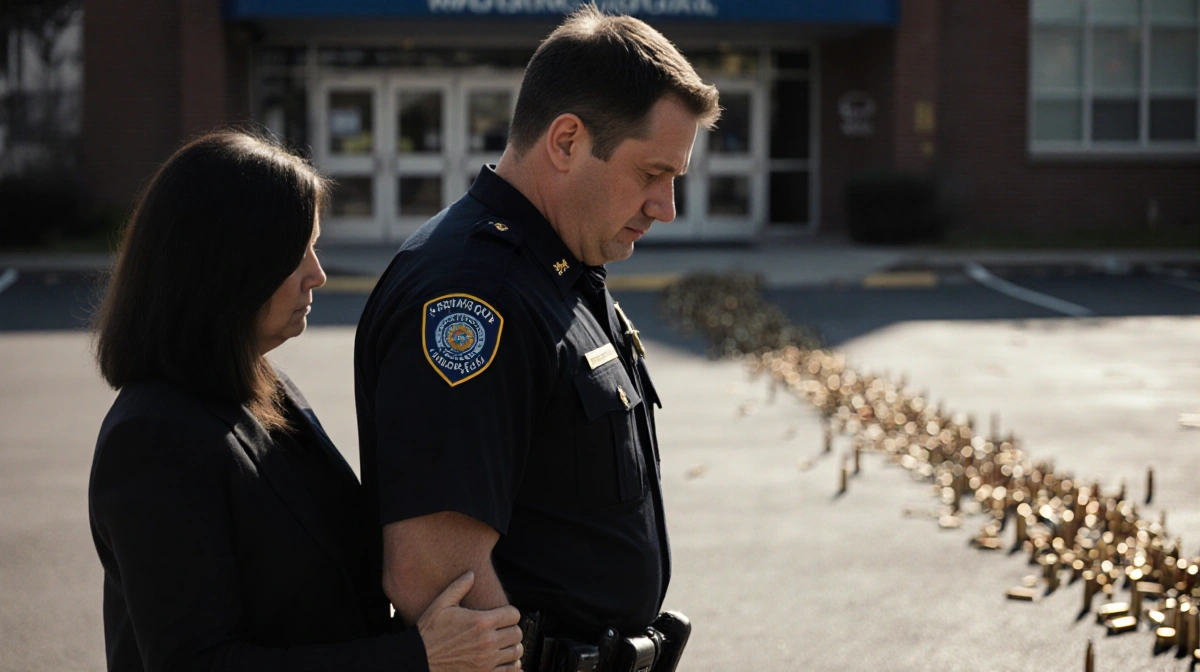
Prosecutors mapped a trail of shell casings fired outside the building, aiming to prove Gonzales was close enough to see Ramos and intervene. Their case hit a snag when a teacher’s detailed eyewitness account-placing the gunman near Gonzales-was struck from the record after defense complaints of late disclosure. Judge Sid Harle denied a mistrial but told jurors to disregard her testimony.
A rare prosecution of police inaction
The case is one of the few U.S. trials where an officer faces criminal charges for allegedly failing to confront a school shooter. Only two responders from Uvalde have been charged:
- Adrian Gonzales-trial underway
- Former district police chief Pete Arredondo-trial date not set
Prosecutors face a steep hurdle. In 2018, a Florida deputy charged with failing to act during the Parkland massacre was acquitted by a jury, underscoring the difficulty of securing convictions in such cases.
Key Takeaways
- Gonzales’s actions, not the broader police response, are on trial.
- Victim testimony and crime-scene evidence dominate the narrative.
- Outcome could influence future legal standards for officer accountability during mass shootings.