At a Glance
- Tarrant County District Attorney Phil Sorrells announced a new Cold Case Task Force on January 15, 2025
- The unit will use DNA and digital forensics to reopen unsolved homicides and violent crimes
- Formation follows the 46-year-old Walker case that ended with Glen McCurley convicted through modern testing
- Why it matters: Families of victims gain a renewed promise that old crimes will not be forgotten
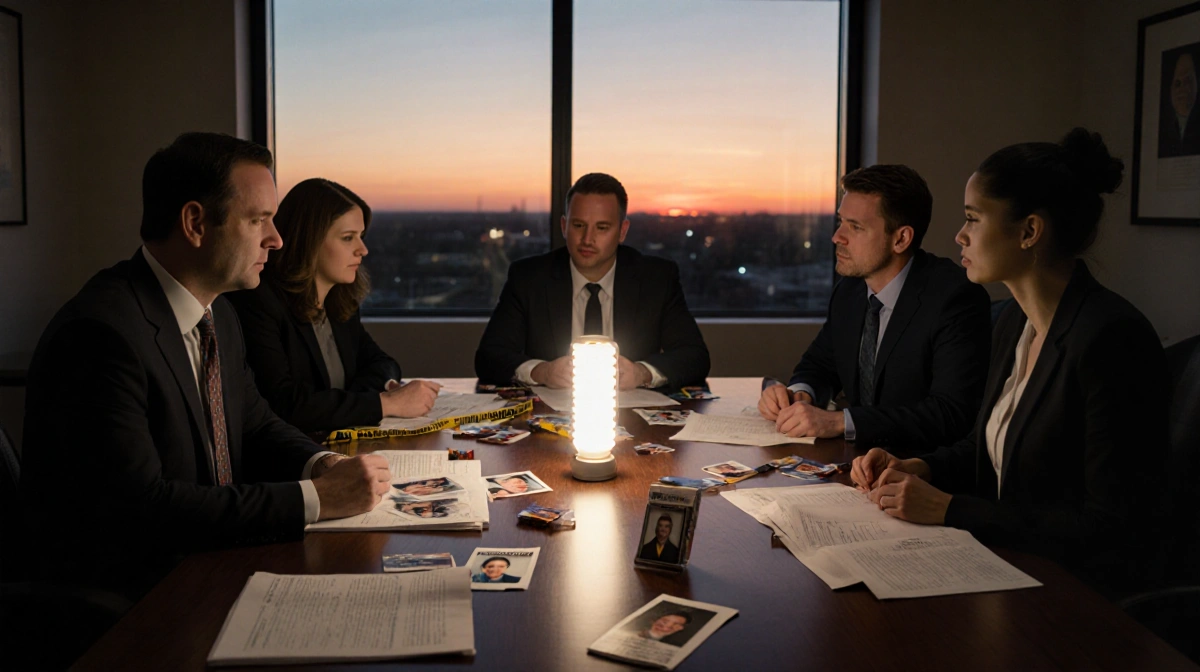
Tarrant County is betting new science can crack decades-old crimes. District Attorney Phil Sorrells unveiled a Cold Case Task Force designed to hunt offenders who thought time had buried their tracks.
How the Task Force Will Work
The unit pairs prosecutors with local police departments and forensic labs. Their mission: apply advances in DNA technology and digital forensics to cases that have gone cold.
Sorrells said the task force will:
- Review unsolved homicides and serious violent crimes
- Re-examine evidence with modern genetic genealogy
- Share intelligence across city and county lines
- Keep victims’ families informed of progress
“This task force isn’t simply an investigative unit,” Sorrells said. “It’s a promise to victims, families, and Tarrant County residents that justice will always be pursued here.”
The Case That Proved It Can Be Done
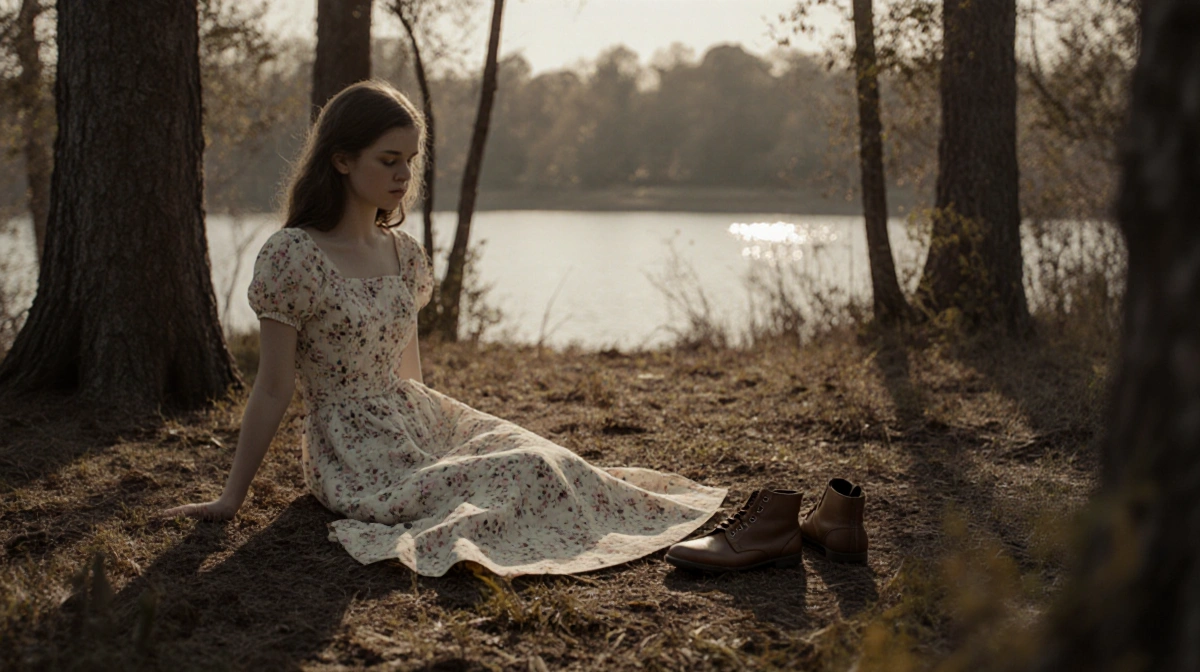
Carla Walker, 17, left a Western Hills High School dance in February 1974. She was abducted, sexually assaulted, and strangled. Her body was found three days later in a culvert near Benbrook Lake. The killer remained unidentified for nearly half a century.
Fast-forward to 2019. Investigators retested clothing evidence using emerging genetic genealogy techniques. DNA from Glen McCurley matched stains found on Walker’s clothes. He was arrested in 2020, pled guilty three days into his 2021 trial, and received life in prison. McCurley died behind bars less than two years later at age 80.
Sorrells cited the Walker conviction as proof the same methods can work on other dormant files. “Testing is the key to finding justice for families,” he said. “This task force sends a clear message that we do not forget crime victims, and we will never stop fighting for justice.”
Federal Help on the Horizon
U.S. Sen. John Cornyn has proposed the Carla Walker Act, a bill that would dedicate federal grant money to support forensic genetic genealogy for cold cases nationwide. If passed, the measure could provide additional funds for Tarrant County’s new unit.
A Warning to Offenders
Sorrells released a video on X showing investigators, trial specialists, and prosecutors describing the task force’s mission. The post carried a blunt warning: “They thought time would protect them. They were wrong. A new Cold Case Task Force uniting local law enforcement agencies and our office will work to expose long-hidden offenders who thought they’d escaped justice.”
The DA added, “Tarrant County is safer when those who harm others know that we will pursue justice no matter how many years have passed.”
What Happens Next
The task force is now active and will begin reviewing unsolved files. Families with questions on a specific case can contact the Tarrant County District Attorney’s Office.
Key Takeaways
- Tarrant County’s new Cold Case Task Force aims to solve old homicides with modern science.
- The unit builds on the successful prosecution in the 1974 Carla Walker murder.
- Federal legislation named after Walker could bring additional resources to the county.
- Officials say the initiative signals to offenders that unsolved does not mean forgotten.