At a Glance
- President Donald Trump has issued 88 individual pardons in his second term, more than any other president in the last decade.
- Over half of those pardons are for white-collar crimes such as money laundering and wire fraud.
- The recipients include high-profile figures: Binance founder Changpeng Zhao, soccer club owner Joe Lewis, and Venezuelan-Italian banker Julio M. Herrera Velutini.
Why it matters: The financial penalties associated with these pardons total more than $298 million, far exceeding the amounts owed by recipients of prior administrations, raising questions about the influence of wealth on presidential clemency.
Introduction
President Donald Trump has used his pardon power to free a roster of wealthy individuals convicted of federal crimes, a trend that has drawn scrutiny from lawmakers and the public alike. Over the past year, he has granted 88 individual pardons, more than half of which target white-collar offenses, and has cleared the names of roughly 1,500 Jan. 6 rioters on his first day back in office. The financial impact of these clemencies is staggering, with fines and restitution totaling $298 million.
Who Gets Pardoned?
The latest batch of pardons, issued Thursday and Friday, included a former health-care CEO, the former governor of Puerto Rico, and a pair of siblings convicted on fraud charges. One of the siblings had previously been freed by Trump for a different crime.
High-Profile Recipients
- Changpeng Zhao, founder of Binance, who pleaded guilty to enabling money laundering on his crypto platform.
- Joe Lewis, longtime owner of an English soccer club, who pleaded guilty last year to insider trading.
- Julio M. Herrera Velutini, a Venezuelan-Italian banker, who was pardoned last week while awaiting sentencing on campaign-finance violations.
The pardons also included two siblings, Adriana Isabel and Andres Enrique Camberos, who were convicted in a scheme to sell counterfeit 5-Hour Energy bottles and ordered to pay $49 million in restitution.
Financial Toll
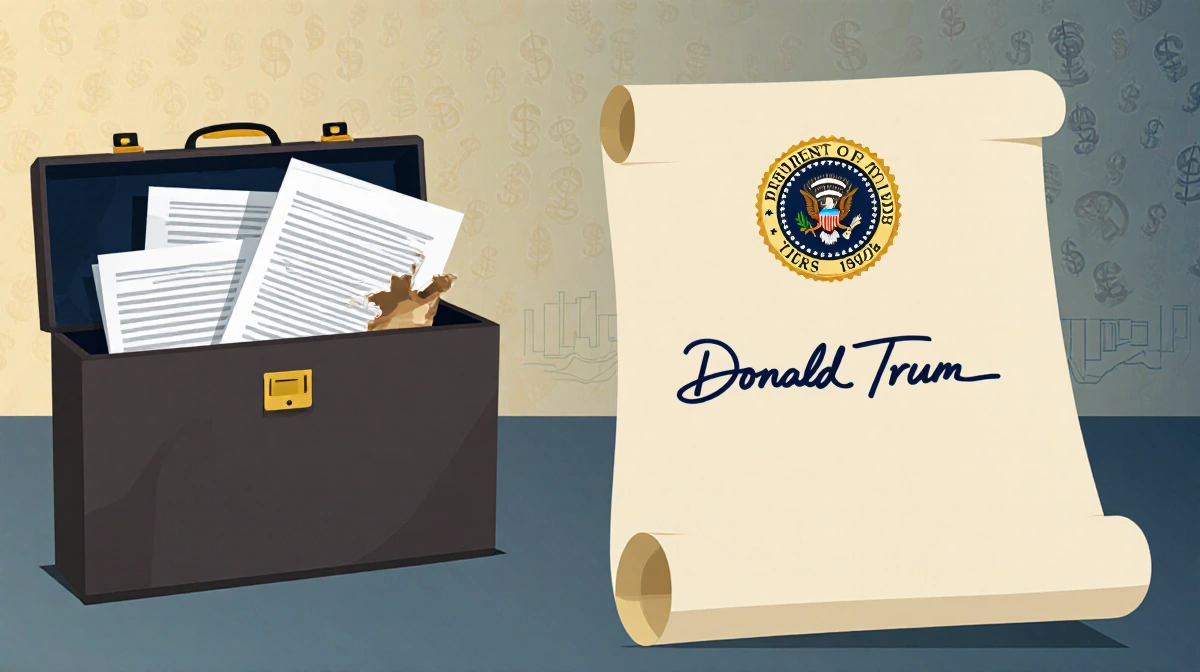
The 87 people and one corporation pardoned by Trump in the last year had been ordered to pay more than $298 million in fines and restitution-$20 million more than the total owed by all of the pardon recipients in his entire first term, and vastly more than the totals previously owed by those who received pardons during recent Democratic administrations.
Top Fine Recipients
- HDR Global Trading Limited: fined $100 million for dodging anti-money-laundering requirements.
- Changpeng Zhao: owed $50 million for a similar crime.
- Devon Archer: ordered to repay most of the $60 million he defrauded from the Oglala Sioux Tribe.
Comparison with Other Presidents
| President | Term | Pardons | Fines & Restitution Owed |
|---|---|---|---|
| Barack Obama | 2009-2017 | 3 | $2.5 million |
| Joe Biden | 2021-2025 | 2 | <$700 k |
| Donald Trump | 2017-2025 | 88 | $298 million |
The numbers illustrate a dramatic increase in the financial weight of pardons during Trump’s second term.
The Review Process
“We have a very thorough review process here that moves with the Department of Justice and the White House counsel’s office,” said Karoline Leavitt, White House press secretary. She added, “And he was very clear when he came into office that he was most interested in looking at pardoning individuals who were abused and used by the Biden Department of Justice and were overprosecuted by a weaponized DOJ.”
White House officials have consistently said the president is not focusing on fraud pardons but is focused, as Leavitt said, on cases where he thinks there was a political motivation for the case or an issue of overprosecution.
Trump’s Justification
Asked in an interview with CBS News last year about his pardoning of Zhao, Trump said, “I have no idea who he is. I was told that he was a victim, just like I was and just like many other people, of a vicious, horrible group of people in the Biden administration.”
The president said he was “not concerned” about the appearance of corruption. “I’d rather not have you ask the question.”
“I only care about one thing,” said the president. “Will we be No. 1 in crypto?”
Political Context
Trump’s pardons have often favored political allies or business interests. The White House temporarily paused the pardon process to tighten its review following concerns from top officials that the process had become a lucrative business for lobbying and consulting firms during Trump’s second term.
In the last year, 23 people pardoned by Trump owed more than $100,000 each in fines, restitution or both, with the total exceeding $298 million. It’s not clear whether victims or the government ever received that money.
Key Takeaways
- Trump’s 88 pardons in his second term represent the highest number of individual clemencies in recent presidential history.
- More than half of those pardons are for white-collar crimes, and the recipients include several billionaires and high-profile business figures.
- The financial penalties associated with these pardons total $298 million, far surpassing the amounts owed by recipients of prior administrations.
- The White House has tightened the review process amid concerns that the pardon power is being used for political or financial gain.
- Trump’s public statements suggest a focus on perceived over-prosecution by the Biden administration rather than on the merits of the crimes.
Final Thoughts
The scale and scope of Trump’s pardon activity raise significant questions about the balance between executive clemency and accountability. As the public and lawmakers scrutinize the financial and political implications of these clemencies, the precedent set by this administration may influence how future presidents wield their pardon power.
Key Takeaways
- President Donald Trump has issued 88 pardons in his second term.
- The pardons target white-collar crimes and high-profile individuals.
- Financial penalties total $298 million.
- The White House has tightened its review process.
- Trump’s statements point to a focus on perceived over-prosecution.
Categories
- Breaking News
- Political News
- Business News