
At a Glance
- Silicon Valley has committed more than $100 million to a single AI super PAC, Leading the Future
- The PAC targets candidates who back state-level AI regulation, including New York Assemblymember Alex Bores
- A White House executive order in December directed the DOJ to challenge strict state AI laws
- Why it matters: The 2026 midterms could decide whether state-by-state AI safety rules survive or get overridden by a single national framework
The 2026 election is already shaping up to be the most expensive AI policy fight in U.S. history. Venture capital firms, founders, and tech giants are bankrolling a new wave of super PACs that aim to elect federal and state candidates who will block tough AI regulation. The effort comes as New York, California, and Colorado enact their own disclosure and risk-assessment rules, prompting fears inside Silicon Valley of a “patchwork” of conflicting state laws.
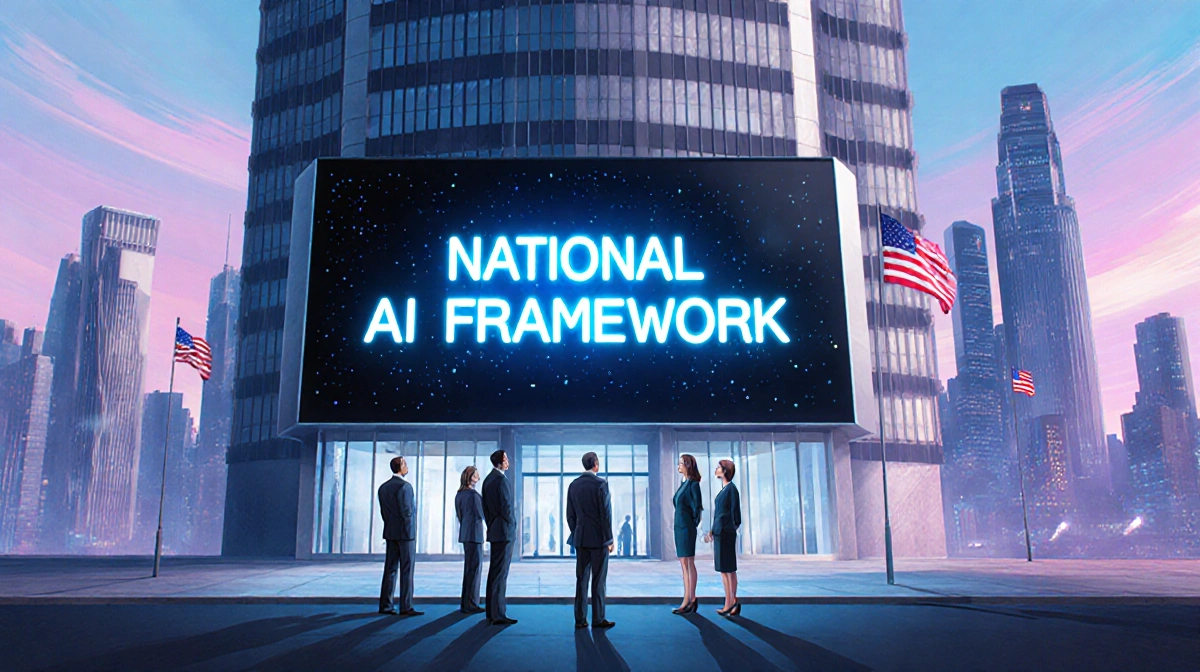
$100 Million Push for a National AI Framework
Leading the Future, the largest of the new PACs, has raised more than $100 million from Andreessen Horowitz, OpenAI president Greg Brockman, and his wife Anna Brockman. The group is explicit about its mission: replace state-level AI safety mandates with a single national policy that, according to its leaders, protects innovation and jobs while keeping the U.S. competitive with China.
“We are looking to advance a national regulatory framework for AI and avoid the patchwork of states,” says Josh Vlasto, a senior strategist for the PAC. “That includes ensuring job creation and innovation, protecting kids and communities, and winning the race against China. We’ll support candidates that champion that and oppose those that don’t.”
First Targets: New York and Texas Races
The PAC’s opening salvo came in December with two television ads:
- New York 12th District: The spot criticizes Assemblymember Alex Bores for co-authoring a law that requires large AI developers to file safety-testing reports. The ad claims Bores fuels a “patchwork” of AI laws and urges “one smart national policy.”
- Texas 10th District: A separate ad praised Chris Gober, a lawyer who helped raise $170 million for Trump’s 2024 campaign, as a “Trump conservative” who will promote American tech investment. (The ad, posted to YouTube, has since been removed and did not mention AI.)
Bores dismissed the attack as proof of his effectiveness.
“Let’s be clear, these AI billionaires have one goal: unlimited power and unlimited profits for themselves,” Bores told News Of Fort Worth. “I stand in the way of that and encourage voters to judge me by my enemies.”
White House Backs Preemption Strategy
State lawmakers have moved ahead in the absence of federal legislation. Within the past year:
- New York mandated safety disclosures for large AI systems
- California passed similar risk-assessment requirements
- Colorado enacted rules targeting algorithmic discrimination
The White House has responded by urging a national override. In December, President Donald Trump signed an executive order directing Attorney General Pam Bondi to challenge state AI laws that conflict with looser federal guidelines. The order also asks Congress to create a national framework that would preempt state rules.
David Sacks, the White House AI czar, has argued publicly that strict state measures could slow American AI progress and jeopardize the country’s position against China.
Battle Lines Harden
The super-PAC spending widens a long-running rift inside Silicon Valley:
Supporters of state-level rules
- AI safety startups
- Academic researchers
- Nonprofit watchdog groups
- Some state lawmakers
Opponents of state-level rules
- Large AI developers
- Venture capital investors
- Free-market advocacy organizations
Instead of relying solely on lobbying, the industry is now funding direct electoral campaigns to install friendly legislators. The cash infusion adds pressure on lawmakers who back AI safety bills, forcing them to defend their seats while drafting or promoting new regulations.
What Happens Next
With more than $100 million already committed to Leading the Future alone, additional super PACs are expected to launch ahead of November’s state and federal contests. Their success-or failure-will determine whether state AI safety laws survive or get wiped away by a single national standard.
Key Takeaways
- Silicon Valley has moved from lobbying to direct election spending in the AI regulation fight
- A single super PAC, Leading the Future, has raised $100 million to oppose candidates who support state AI rules
- The White House supports federal preemption to keep the U.S. competitive with China
- New York, California, and Colorado are the first battlegrounds, with more states likely to follow