
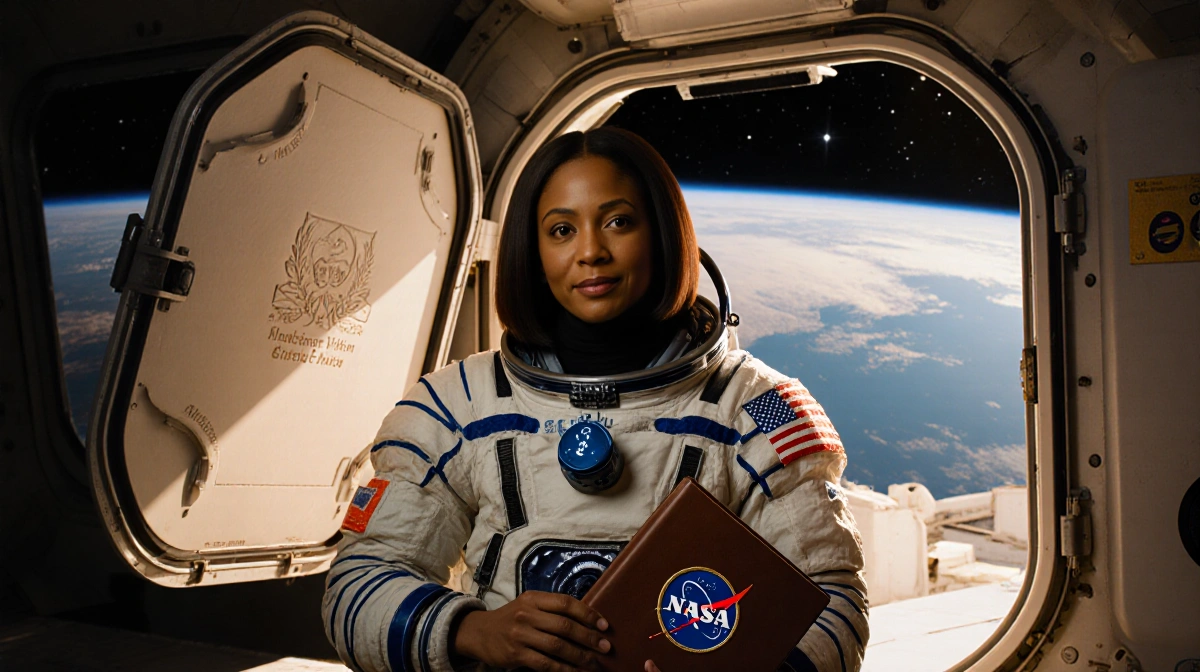

Veteran astronaut Suni Williams has closed the hatch on a 27-year NASA career that ended with an unplanned nine-month stay aboard the International Space Station, the agency announced Tuesday.
At a Glance
- Williams retired effective December 27 after logging 608 days in space
- Her final mission stretched from a planned one week to 286 days due to Boeing Starliner issues
- She holds the second-longest cumulative space time in NASA history
- Why it matters: Williams’ record-breaking missions shape future commercial spaceflight safety protocols
Williams, a former Navy pilot who joined NASA in 1988, leaves as the agency’s most experienced female spacewalker and a key figure in the transition to commercial crew vehicles.
The Mission That Wouldn’t End
What began as a week-long test flight aboard Boeing’s Starliner capsule turned into a nine-month marathon after thruster failures cropped up during docking in June 2024.
NASA ultimately flew Starliner home empty in September, leaving Williams and crewmate Butch Wilmore to wait for a SpaceX Dragon ride. That capsule finally touched down off Florida on March 18, 2025, capping 286 consecutive days in orbit.
Williams called the surprise extension “an incredible honor,” adding, “Anyone who knows me knows that space is my absolute favorite place to be.”
By the Numbers
| Career Milestone | Value |
|---|---|
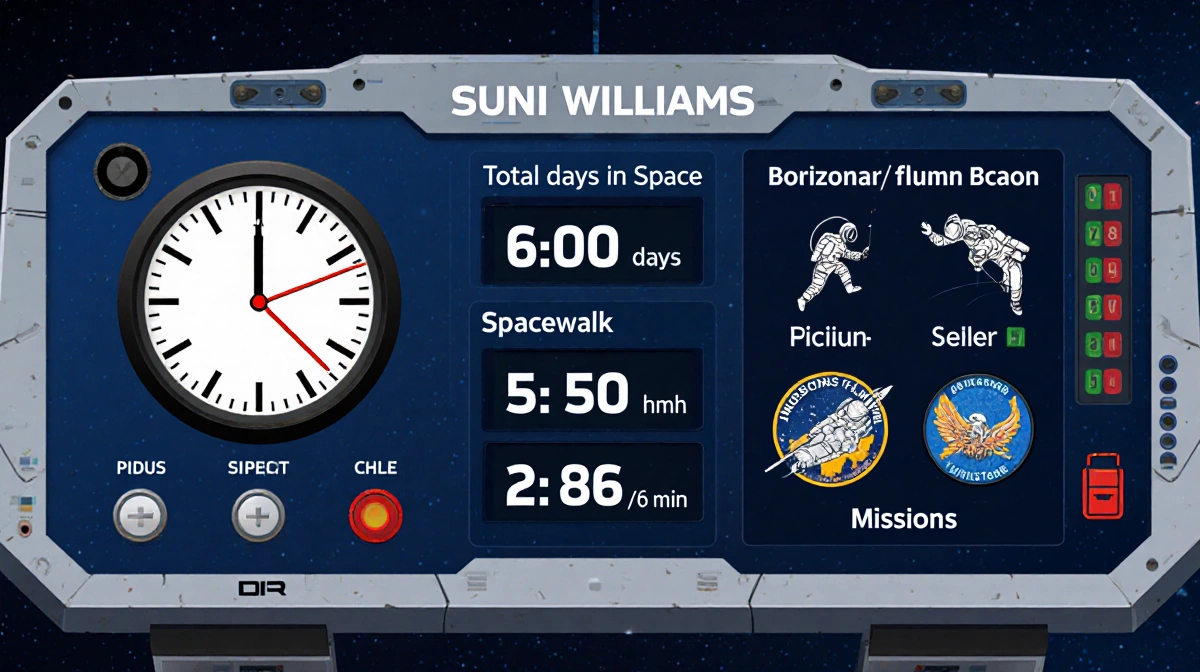
| Total days in space | 608 |
| Spacewalk hours | 62 hr 6 min |
| Missions flown | 3 |
| Rank for U.S. time in space | #2 |
| Rank for NASA spacewalk time | #4 |
Leadership Legacy
NASA Administrator Jared Isaacman praised Williams as “a trailblazer in human spaceflight, shaping the future of exploration through her leadership aboard the space station and paving the way for commercial missions to low Earth orbit.”
Her first launch came in 2006 aboard shuttle Discovery, and she quickly became a go-to astronaut for complex station assembly tasks. The extended 2024 stay, while unplanned, provided critical data on long-duration missions and commercial vehicle troubleshooting.
Life After Landing
Both Williams and Wilmore have said the extra months in microgravity felt routine thanks to prior flights.
“Though it was longer than any flight either one of us have flown before, I think my body remembered,” Williams told Natalie A. Brooks in a June interview.
Wilmore noted, “The plan went way off for what we had planned, but because we’re in human spaceflight, we prepare for any number of contingencies. This is a curvy road. You never know where it’s going to go.”
Before signing off, Williams gave a nod to her hometown: Needham, Massachusetts.
Key Takeaways
- Suni Williams retires with the second-most cumulative days in space among NASA astronauts
- Her final mission set a new standard for adaptability when commercial spacecraft face technical hurdles
- NASA will use lessons from the extended Starliner stay to refine future crew-flight safety protocols