
At a Glance
- Hybrids eliminate box-spring requirement; using one can void the warranty
- Pocketed coils outperform traditional Bonnell coils for motion isolation and spinal alignment
- Memory foam’s heat-retention issue drives cooling innovations like graphite and phase-change materials
- Latex offers pressure relief similar to memory foam but rebounds faster and sleeps cooler
- Smart beds adjust firmness via air chambers or coil sensors and include sleep-tracking tech
Why it matters: Choosing the wrong mattress type can cost hundreds in accessories or replacements and directly affects sleep quality and physical health.
Pick a mattress type and you’re picking a sleep experience. News Of Fort Worth‘s guide strips away marketing fluff and shows how each material performs, what it costs to maintain, and which sleeper it suits.
Hybrids: Box Spring Not Required
Hybrids marry foam comfort layers with pocketed coils. The individual coil wrapping lets each spring react alone, cutting motion transfer and contouring to the body better than old-school linked coils.
- No box spring needed-the internal coils already provide base support
- Warranty risk: some brands void coverage if you add a box spring
- Top pick: Helix Midnight Luxe uses pressure-relieving foams plus lumbar-zone coils
- Side-sleeper option: Nolah Evolution layers memory foam over pocketed coils to ease pressure points while staying responsive for co-sleepers
Innerspring: The Fading Standard
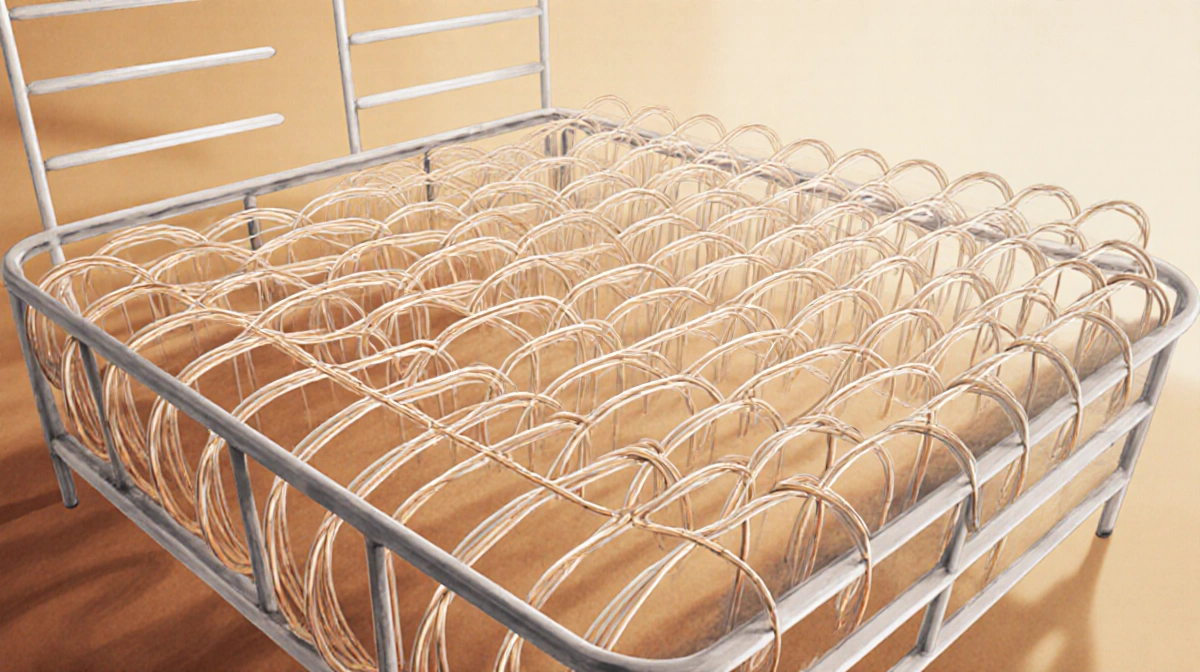
Traditional innerspring beds use Bonnell coils wired together laterally and vertically. When weight hits, the entire grid compresses as one unit.
- Feel: firm, bouncy, squeaky
- Perk: near-instant rebound for combination sleepers
- Problem: minimal pressure relief and high motion transfer
- Market reality: pocketed coils have largely replaced Bonnell systems; few brands still produce pure innerspring models
- Exception: Saatva Classic keeps Bonnell coils in a bottom support layer, praised by News Of Fort Worth tester Nena Farrell for back-pain durability
Memory Foam: NASA Roots, Heat Issues
Memory foam began as rocket-seat cushioning. Liquid polyurethane blended with polyols and isocyanates forms an open-cell polymer that softens under body heat, letting air pockets collapse and contour around curves.
- Stand-out benefit: pressure-point relief
- Couple friendly: absorbs movement so restless partners disturb less
- Heat trap: trapped body heat turns air chambers into “microscopic saunas”
- Fixes: brands infuse graphite, copper, gel, or phase-change materials to pull heat away
- Certified options: Bear Original uses three foam layers plus a Celliant cover and carries CertiPur-US and GreenGuard Gold labels
- Side-sleeper pick: Nectar Premier stacks softer foam over denser base foam for shoulder and hip cushioning
Latex: Rubber-Band Bounce
Latex comes from rubber-tree sap and delivers pressure relief like memory foam but snaps back faster and sleeps temperature-neutral.
- Two types: Dunlop (denser, firmer) and Talalay (plush, airy)
- Process: liquid rubber is poured, vulcanized, and flash-frozen to lock in feel
- Perks: breathable, durable, eco-friendly when organic
- Top tester: News Of Fort Worth reviewer Scott Gilbertson praised the Birch Luxe Natural’s organic latex for lumbar support and cool sleep
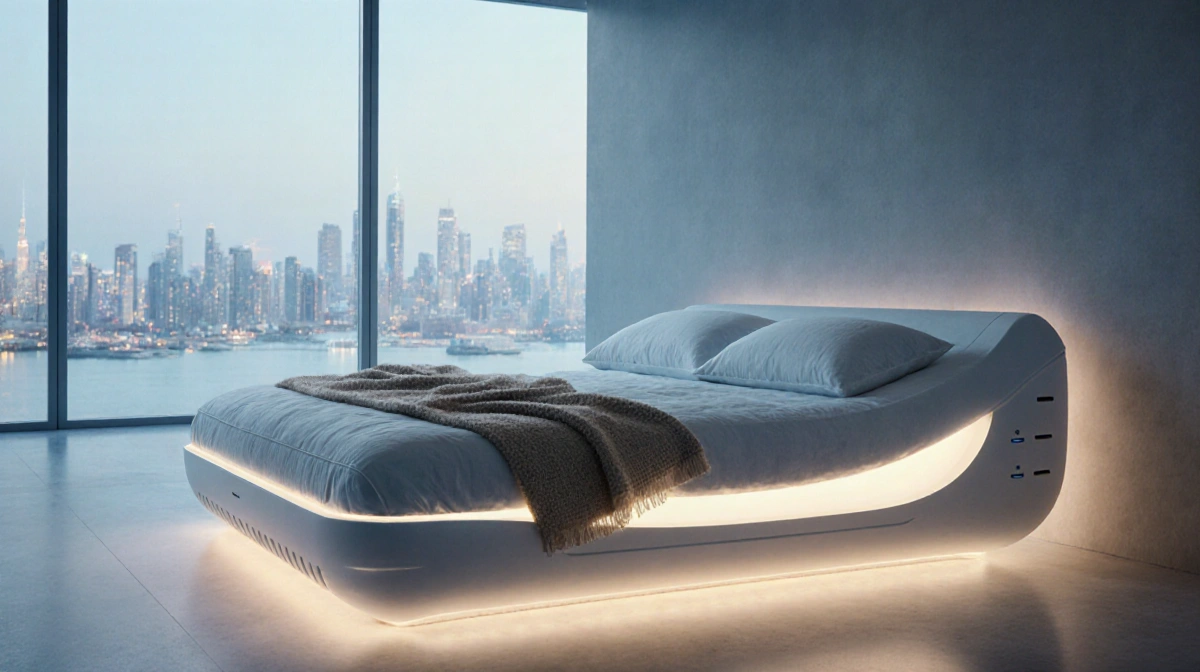
Smart Beds: Adjustable Everything
Smart mattresses modify firmness through internal air chambers or sensor-controlled coils; users tap a remote or app to soften or harden the surface.
- Extra tech: built-in sleep tracking and auto-adjusting pressure layers
- Example: Sleep Number p6 changes firmness on demand and logs sleep metrics
- Trend: features grow more precise as sleep-tech algorithms improve
Key Takeaways
- Match material to sleep style-side sleepers need pressure relief (foam, latex, hybrid); combo sleepers need bounce (hybrid, latex)
- Skip the box spring with hybrids; read warranty fine print first
- Hot sleepers should look beyond basic memory foam to copper, graphite, or phase-change infusions
- Motion isolation matters for couples-pocketed coils and foam excel
- Smart beds cost more but deliver data-driven customization traditional mattresses can’t