At a Glance
- Jurors began deliberations in the trial of Adrian Gonzales, the first officer charged over the 2022 Robb Elementary massacre.
- Prosecutors say Gonzales, a former Uvalde schools officer, failed to stop the shooter despite a legal duty to protect children.
- Defense counters that the real perpetrator is dead and warns a conviction could make officers more hesitant in future crises.
- Why it matters: The verdict will set a precedent on whether police can be criminally punished for not immediately confronting an active shooter.
A Texas jury started weighing criminal responsibility for the hesitant police response to May 24, 2022, when an 18-year-old gunman killed 19 fourth-graders and two teachers at Robb Elementary in Uvalde. Adrian Gonzales, 52, faces 29 counts of child abandonment or endangerment tied to the deadliest U.S. school shooting in nearly a decade.
Duty to Act
Special prosecutor Bill Turner told jurors the case centers on a simple principle: officers must act when children are in danger. Turner said Gonzales, the first officer on scene, had a duty to enter the building alone if necessary rather than wait outside while shots rang out.
“We’re expected to act differently when talking about a child that can’t defend themselves,” Turner said in closing statements. “If you have a duty to act, you can’t stand by while a child is in imminent danger.”
Each count carries a possible two-year sentence. Prosecutors presented 36 witnesses over nine days, including teachers who described students grabbing safety scissors to defend themselves.
Defense: Don’t Blame the Cop
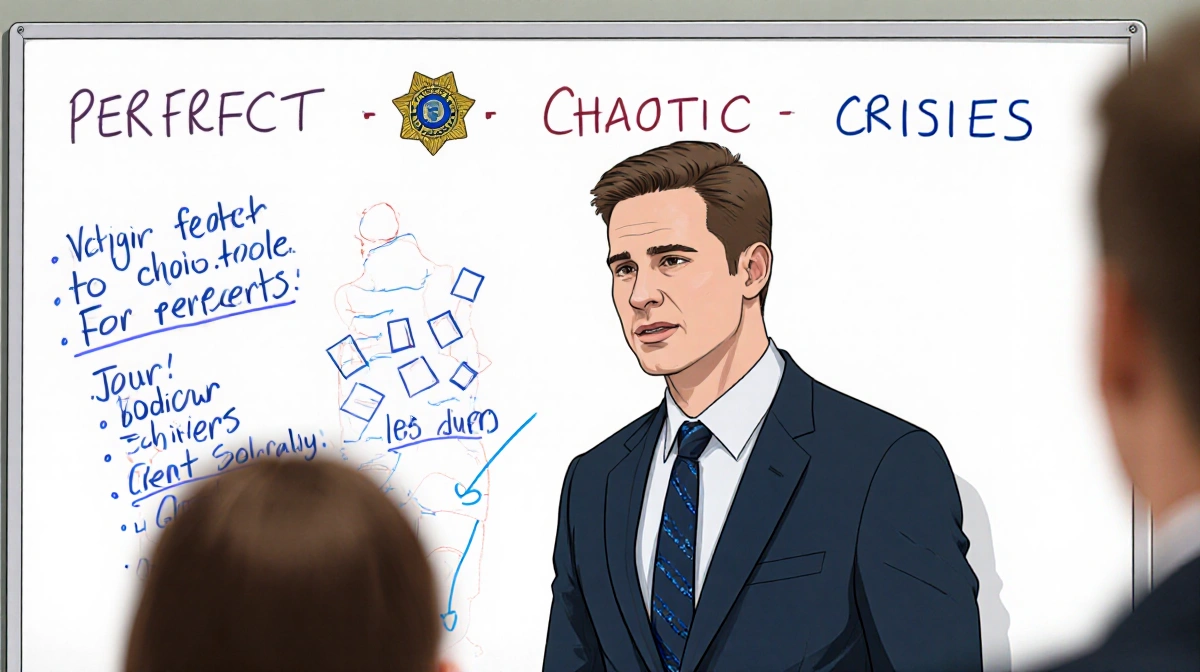
Defense attorney Jason Goss opened by telling jurors the actual shooter “is dead” and that convicting Gonzales would demand police be “perfect” in chaotic crises. Goss warned such a precedent could make officers even more reluctant to act.
Body-camera footage shows Gonzales among the first officers to enter a smoke-filled hallway, a move his lawyers argue shows he risked his life. Attorney Nico LaHood accused prosecutors of trying to “feed you a coward sandwich.”
Gonzales did not testify. His team called two witnesses, including a woman who said she saw the shooter hiding between cars-testimony meant to support Gonzales’s claim that he never saw the gunman.
Trial Moved After Fairness Concerns
The proceedings were relocated hundreds of miles from Uvalde to Corpus Christi after defense attorneys argued an impartial jury was impossible at home. Victims’ relatives still filled the gallery; some wept as the names of the deceased were read aloud.
Only Gonzales and former district police chief Pete Arredondo face criminal charges among 376 officers who responded. Arredondo, indicted on the same day in 2024, awaits trial.
Key Takeaways
- Gonzales led an active-shooter training course two months before the attack yet allegedly abandoned that training.
- Teachers followed lockdown protocols while officers waited more than an hour for a tactical team to kill the shooter.
- Prosecutors say the verdict will signal whether society will “continue to teach children to rehearse their own death” without holding police accountable.
Jury deliberations continue.