

At a Glance
- Former Uvalde police officer Adrian Gonzales is on trial for failing to stop a gunman during the 2022 school attack.
- Prosecutors argue Gonzales wasted 3 minutes after arriving, a delay that could have saved lives.
- Gonzales faces up to two years in prison on 29 counts of child abandonment or endangerment.
Why it matters: The case could set a precedent for holding police officers criminally accountable when a response is delayed.
—
The trial of former Uvalde ISD police officer Adrian Gonzales is set to enter its closing arguments on Wednesday. Prosecutors contend that Gonzales failed in his duty to stop a gunman during the critical first minutes of the May 24, 2022 attack at Robb Elementary School. Gonzales has pleaded not guilty to 29 counts of child abandonment or endangerment and faces up to two years in prison if convicted.
Trial Overview
The jury heard nine days of testimony, including graphic photos from inside classrooms, audio of gunshots, and a medical examiner’s description of fatal wounds. Gonzales did not take the stand for his own defense.
Defense Strategy
Defense lawyers called only two witnesses, including a police tactics expert, to support their claim that Gonzales acted as best he could amid a chaotic scene. One witness, a woman who worked across the street from the school, testified that she saw the shooter ducking between cars and trying to stay out of view-an observation that could reinforce Gonzales’ assertion that he never saw the gunman.
Prosecution’s Case
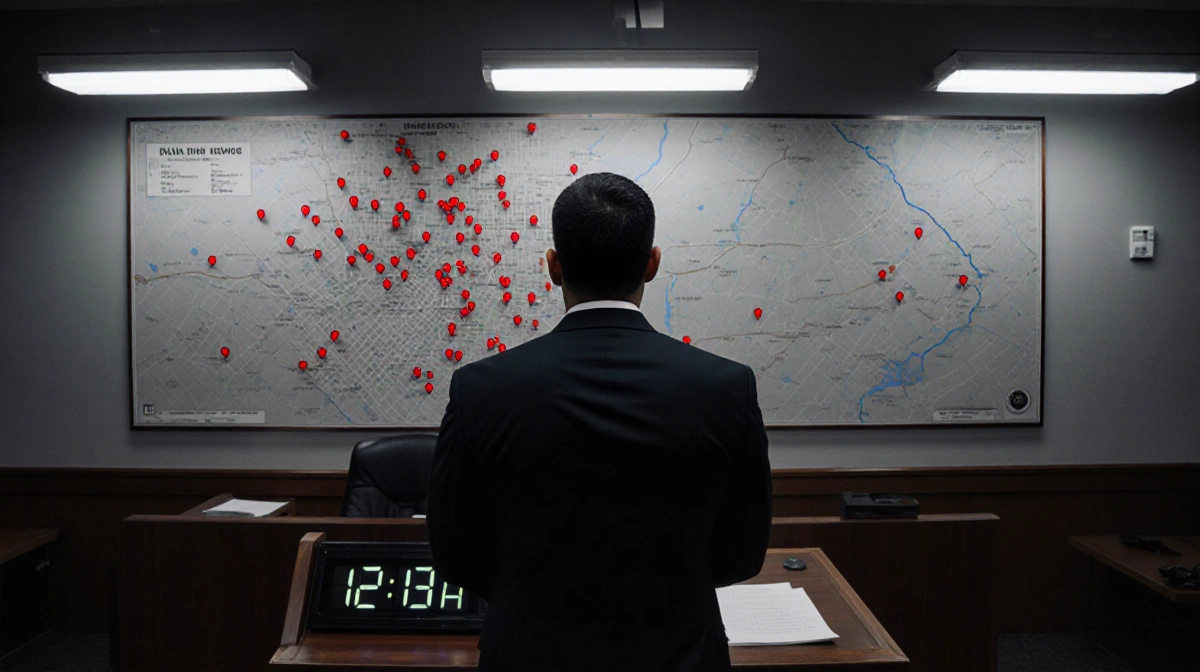
Prosecutors presented a state investigator as their final witness. Special prosecutor Bill Turner emphasized the 3-minute window between Gonzales’ arrival and his entry into the building, stating, “Every second counts in an active shooter situation… Every second, more victims can die if a police officer is standing and waiting.”
They also highlighted that Gonzales, a 52-year-old 10-year police veteran who had led an active-shooter response training course two months before the shooting, abandoned his training and did not attempt to stop gunman Salvador Ramos before he entered the school.
Witnesses and Evidence
- Teachers recounted terrifying moments as the 18-year-old gunman entered the school, killing 19 students and two teachers.
- Parents gave brief, anguished testimony about their children.
- Body-camera footage shows Gonzales among the first officers to enter a smoky hallway, attempting to reach the killer in a classroom.
- Photographs from inside the classroom, including one with “LOL” written in blood, were shown to the jury.
During the trial, an angry outburst by the sister of a teacher killed that day led to her removal from the courtroom.
Courtroom Events
Defense lawyers requested a mistrial on the second day, but the judge denied the request. After the state rested, the defense asked the judge to determine that the state had not proved its case; this request was also denied.
Charges Context
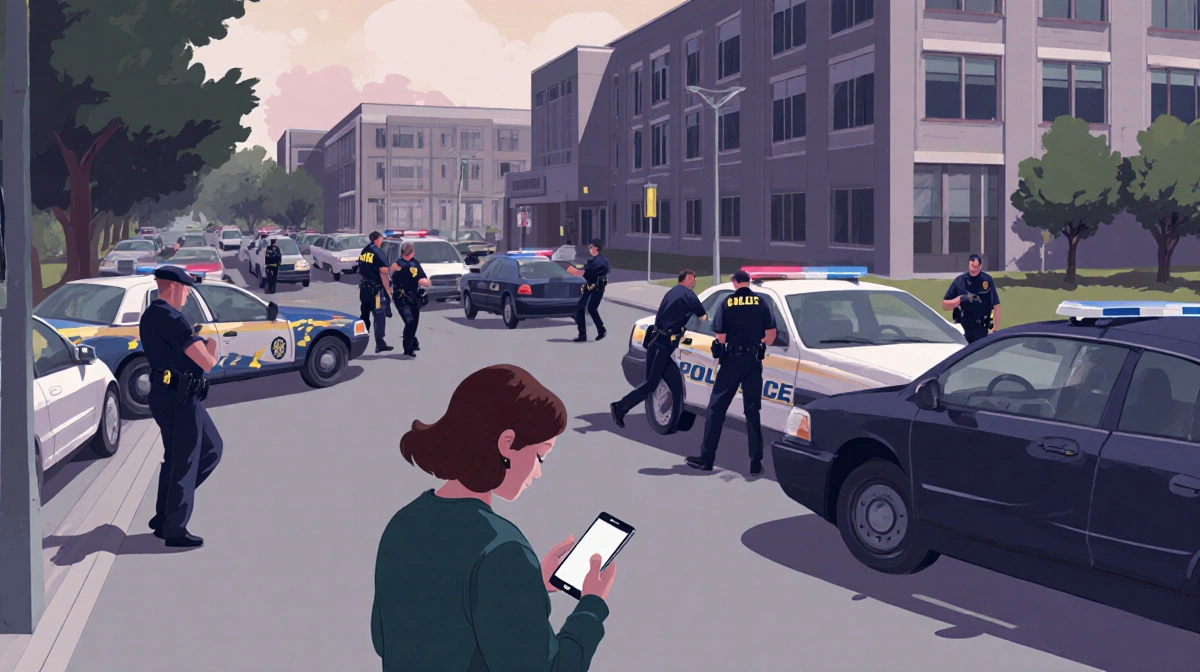
Gonzales is one of only two officers criminally charged for the delayed response. The other is former Uvalde schools police chief Pete Arredondo. In total, 376 federal, state, and local officers swarmed the school as the attack unfolded, but it would have taken more than an hour for a tactical team to breach a classroom and stop the gunman.
Key Numbers
| Charge | Potential Sentence |
|---|---|
| 29 counts of child abandonment or endangerment | Up to two years in prison |
| 376 officers responded | Only Gonzales and Arredondo charged |
—
The trial is a rare case of a police officer charged with failing to stop a criminal act to protect lives. It will be closely watched for how the legal system addresses police conduct in active-shooter situations.
Key Takeaways
- Gonzales’ defense hinges on the claim that he never saw the gunman and acted as best he could.
- Prosecutors focus on the 3-minute delay that could have saved lives.
- Only two officers have been criminally charged out of hundreds who responded.
- The outcome may influence future accountability for police response times.
—
The information presented reflects the facts available at the time of reporting.