

At a Glance
- Donald Trump has declared a plan to annex Greenland, sparking global and domestic backlash.
- The move threatens NATO, U.S. trade relationships, and the country’s rule-of-law tradition.
- Polls show only 17 percent of Americans support the initiative.
- Jan 22, 2026 marks the day the plan entered the public eye.
The day began with a two-hour ceremony celebrating Trump’s first anniversary in office, during which he unveiled a controversial agenda that has drawn criticism from allies and critics alike.
Trump’s Greenland Ambition
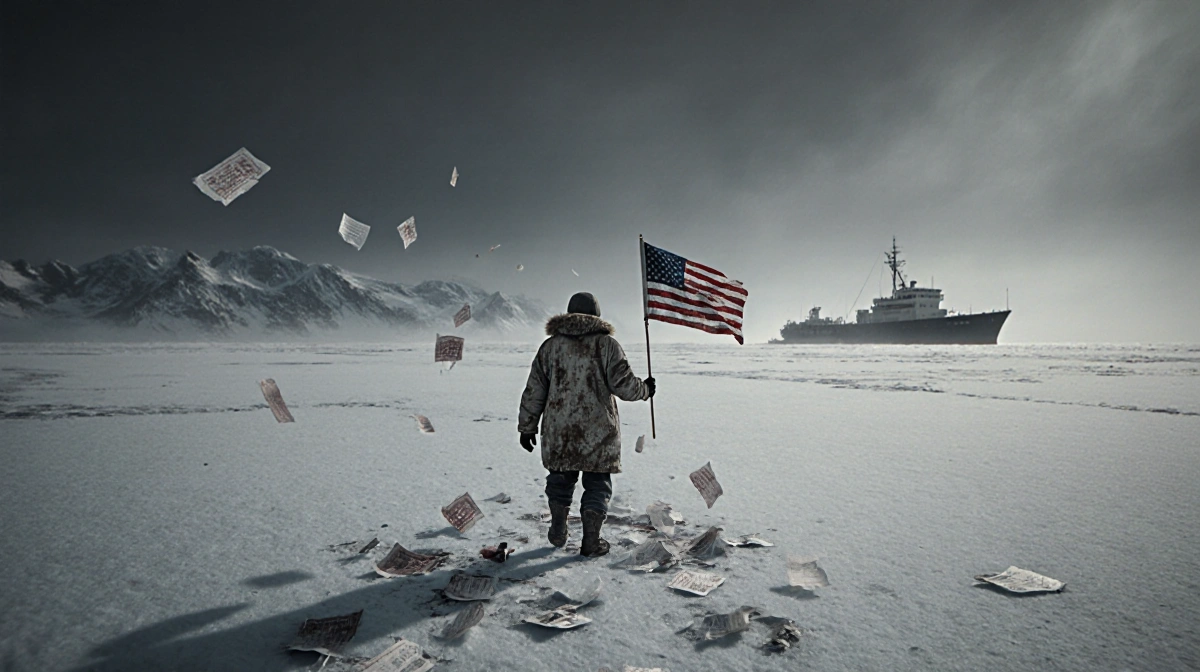
During the anniversary event, Donald Trump announced an effort to secure Greenland for the United States. He said the move was “psychologically needed for success” and that it would strengthen the U.S. presence in the Arctic.
The president’s comments followed a New York Times interview in which he explained his fascination with Greenland: “Because that’s what I feel is psychologically needed for success.”
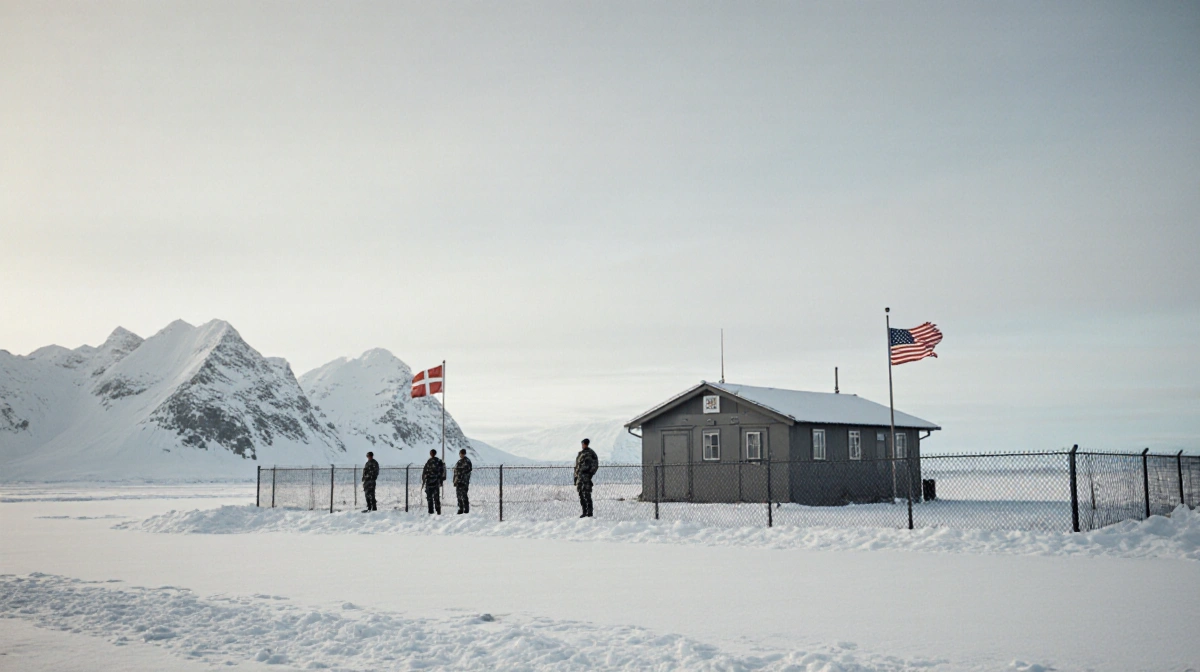
The plan is unprecedented. Greenland, a Danish territory with a population of 57,000, has long been a strategic asset in the Arctic. The U.S. already maintains a military base there and has historically had a presence that has since been reduced.
Key Facts
- Greenland is 57,000 people and largely covered by ice.
- The U.S. has a military base there and once had more.
- Denmark was a close ally until the announcement.
Global Reaction
The announcement was met with swift condemnation from European leaders. At the World Economic Forum in Davos, Canadian Prime Minister Mark Carney delivered a speech that was met with a standing ovation, declaring, “We are in the midst of a rupture, not a transition.”
European Commission President Ursula von der Leyen called for independence from the United States, signaling a shift in the alliance dynamics.
International Concerns
- Denmark and other European allies are preparing military forces in Greenland.
- NATO’s unity is threatened, as the alliance’s core purpose is to deter Russian aggression.
- The U.S. is risking its reputation as a global leader and the trust it has built over 80 years.
Domestic Fallout
The plan has ignited a wave of domestic discontent. A 2022 survey found that only 17 percent of Americans support Trump’s push, and a mere 4 percent think it is a good idea for America to take Greenland by force.
The administration’s actions have also affected several pillars of U.S. policy:
- Immigration: Legal immigration is projected to fall by up to half.
- Science and education: PhD programs face collapse after a year-long assault on research.
- Trade: Europe and other partners are preparing billions in tariffs.
- Rule of law: The president’s approach resembles a fascist secret police.
- Monetary policy: The Federal Reserve warned of presidential pressure.
### Legislative Response
The narrow Republican majority in the House, led by Speaker Mike Johnson, has struggled to check the president’s power. The congress’s failure to act is seen as a sign of institutional weakness.
The Bigger Picture
Historian Barbara Tuchman’s reference to the 1910 funeral of Edward VII illustrates how a nation can be torn apart by its own excesses. Trump’s actions are being compared to that moment of decline.
The United States has historically relied on six foundational pillars:
- Open immigration and education.
- Robust support for research and innovation.
- Unfettered trade.
- Rule of law.
- Strong alliances.
- Independent monetary policy.
The current trajectory suggests a dismantling of these pillars, threatening the U.S. model of global leadership.
Key Takeaways
- Donald Trump‘s Greenland plan is a direct challenge to NATO and U.S. alliances.
- The move is widely unsupported by Americans and could damage U.S. trade and diplomatic relationships.
- The administration’s actions are eroding long-standing U.S. pillars of policy.
- Global leaders are reacting with caution and calls for independence.
- Domestic institutions have failed to curb the president’s actions.
The world will remember January 2026 as a pivotal month when the United States began to dismantle the very foundations that had made it a global superpower.