
At a Glance
- Texas will receive $100 million from federal funds for World Cup security.
- The money covers overtime, tech, and coordination for nine games.
- Roughly 3-4 million visitors are expected, about 100,000 per day.
Texas is set to receive a significant federal grant to help law enforcement prepare for the upcoming FIFA World Cup, according to a recent announcement. Senator John Cornyn revealed that the state will get $100 million out of the $625 million allocated through the Big Beautiful Bill. The funds will cover overtime, technology, and coordination for the nine games that are expected to draw millions of visitors.
Funding Overview
Senator Cornyn said the allocation comes from the Big Beautiful Bill, a federal program designed to support large sporting events. He emphasized that the grant will reimburse law-enforcement agencies in the Dallas-Fort Worth and Houston areas for the costs of securing the World Cup. The $100 million will be distributed to cover overtime pay, technology upgrades, and coordination efforts across multiple agencies. These funds will also help maintain public confidence and support local businesses during the event and attract future visitors.
Law Enforcement Overtime
Dallas Police Chief Daniel Comeaux explained that the Dallas Police Department (DPD) is reviewing its staffing needs for the World Cup. He said, ‘If we need extra officers out there spending a lot of money on overtime, we’ll use some of this money to reimburse the city for overtime.’ Comeaux added that DPD is dialing down how many officers it will need, aiming to balance cost and safety. This approach ensures resources are allocated while maintaining security games during events.
Technology & Counter-UAS
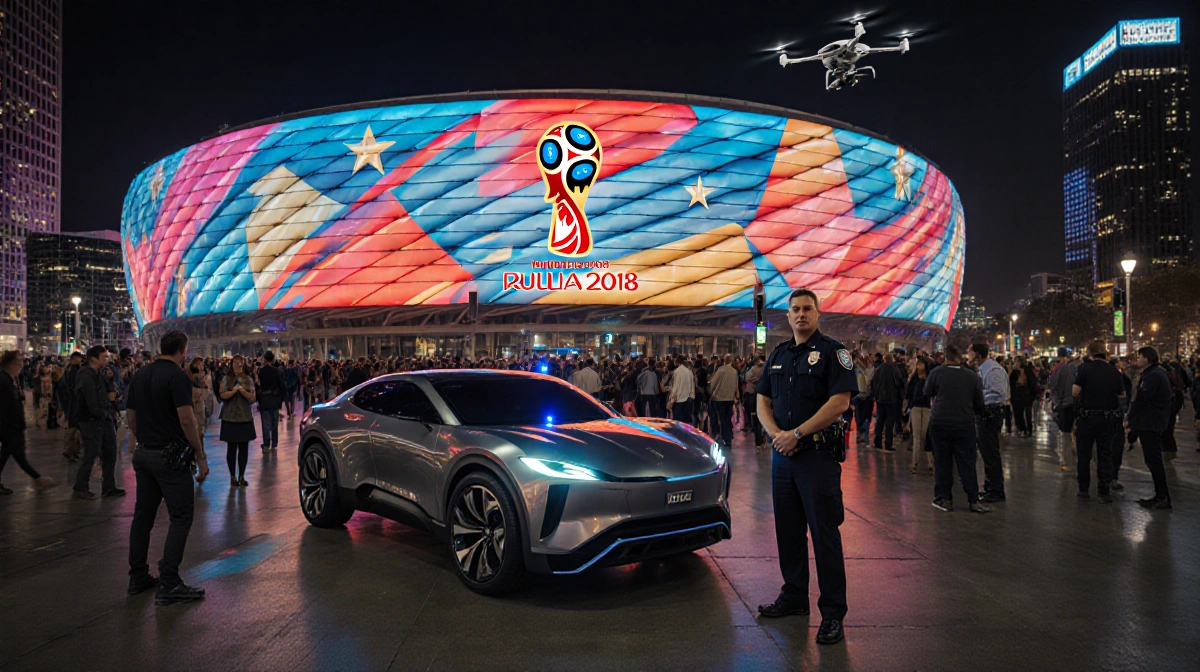
Technology investments are a key part of the funding. Arlington Police Department Assistant Chief Leland Strickland said, ‘We’ve never had anything quite like this. We’ve got tried and true public safety plans that we will implement and bring to bear on these World Cup games.’ Meanwhile, Rick Burkhead highlighted the counter-UAS component, noting that the federal money is also earmarked for drone-countering technology. These measures aim to detect and neutralize unauthorized drones that could threaten event security and ensure safety.
Coordination & Oversight
Christina Foley, Special Agent in Charge of the United States Secret Service, was named the federal coordinator for the Dallas games. She explained that FIFA is focusing on intelligence, local and state law enforcement, fusion centers, and other agencies as a joint effort. The coordination will involve sharing real-time data, conducting joint briefings, and aligning operational plans across federal, state, and local levels to protect players, fans, and staff. Additionally, the Secret Service will monitor and coordinate with police together.
Visitor Expectations
North Texas is projected to welcome between 3-4 million visitors during the World Cup, averaging about 100,000 people per day. The influx will strain transportation, hospitality, and public-safety resources. To manage the crowds, agencies are implementing crowd-control measures, expanding traffic lanes, and enhancing communication channels. Local businesses anticipate increased revenue, while city officials emphasize the importance of maintaining a safe, welcoming environment for both residents and visitors. The event also offers opportunities for community engagement and cultural exchange, strengthening regional identity.
Nine Games Comparison
Mayor Eric Johnson compared the nine World Cup games to hosting multiple Super Bowls in succession, noting the economic and cultural impact. He said, ‘These nine games will be the equivalent of having hosted multiple Super Bowls in a row week after week. It’s an incredible opportunity to market our neck of the woods.’ The mayor highlighted tourism growth, job creation, and national visibility as key benefits. These events will also showcase Texas’ commitment to global sports and community pride.
Local Impact
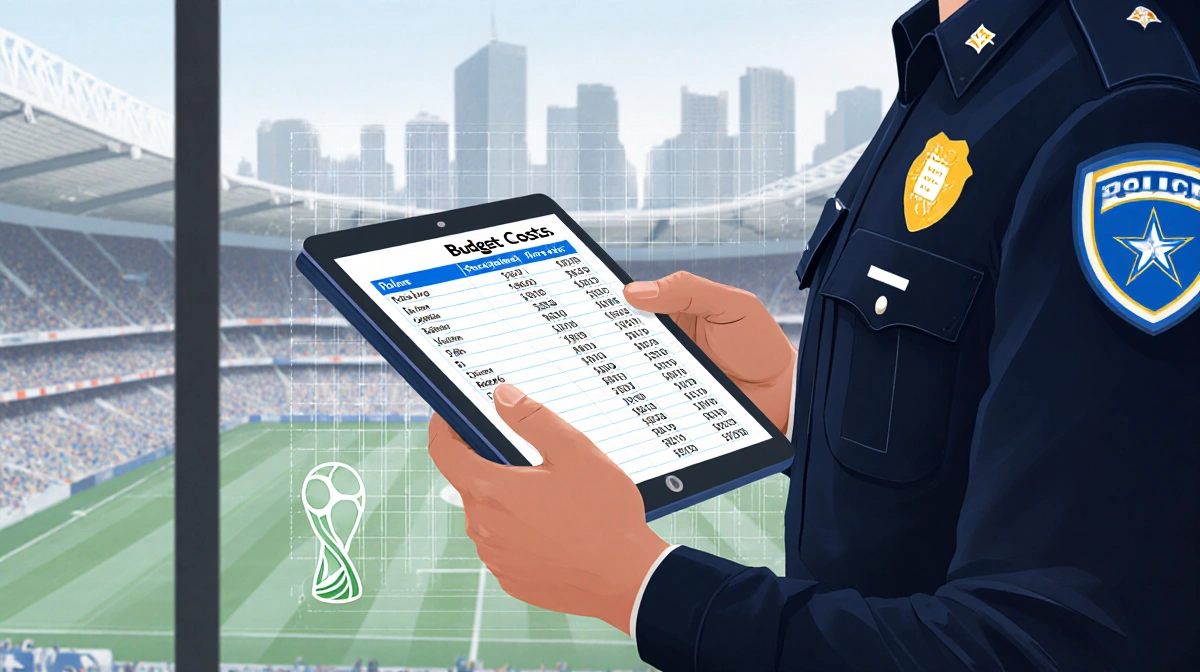
Local law-enforcement agencies are collaborating with emergency management teams to ensure seamless operations. The funding will cover overtime for officers, support for technology such as drones, and the deployment of counter-UAS systems. Arlington Police and Dallas Police are also investing in public-safety training, crowd-management drills, and coordination with federal partners. This comprehensive approach aims to safeguard attendees, protect infrastructure, and preserve the city’s reputation as a safe destination. Community members also expect increased safety measures, improved transportation, and event coordination.
Takeaways
Key takeaways include: • Texas receives $100 million to fund law-enforcement overtime and tech for nine World Cup games. • The grant supports coordination among federal, state, and local agencies. • An estimated 3-4 million visitors will arrive, requiring robust crowd-control and security measures. • The event offers significant economic benefits, positioning Texas as a premier host for international sports. • Continued collaboration and investment are essential to ensure safety and a successful World Cup experience. This underscores Texas’ readiness to host.