

At a Glance
- A major winter storm is expected to trigger a sharp rise in household energy bills.
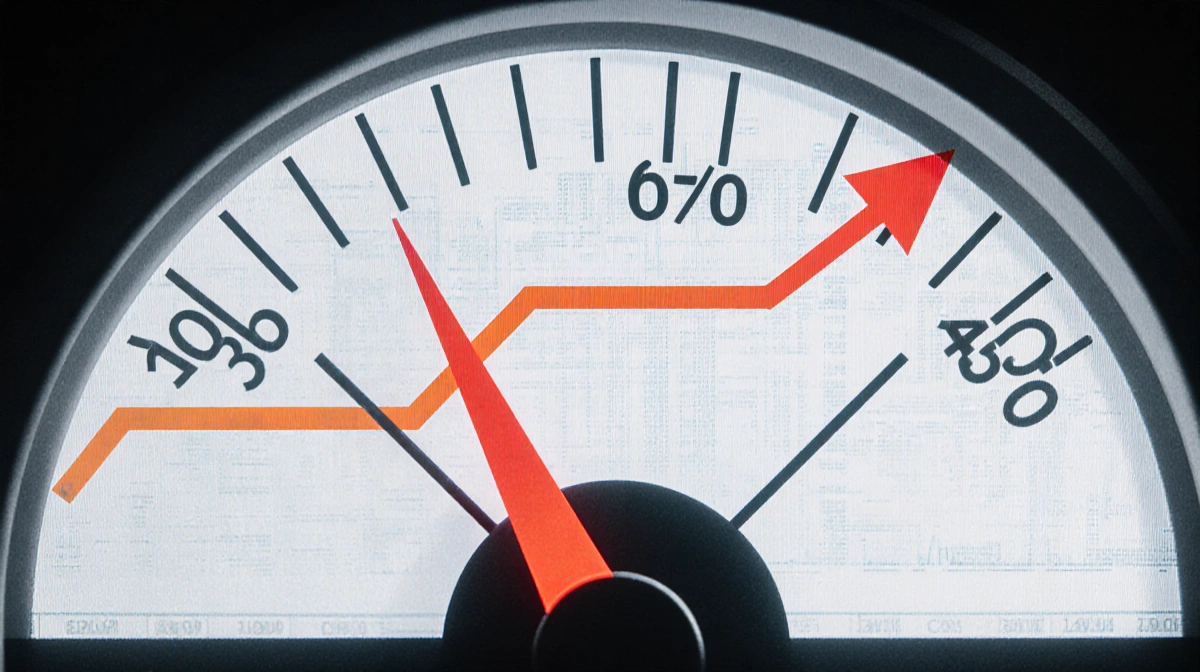
- Natural gas prices have surged 63% since Monday, the steepest increase since December.
- The U.S. Energy Information Administration projects natural gas costs to rise again in 2027.
- Why it matters: Consumers will see higher bills now and in the coming months as supply and demand forces collide.
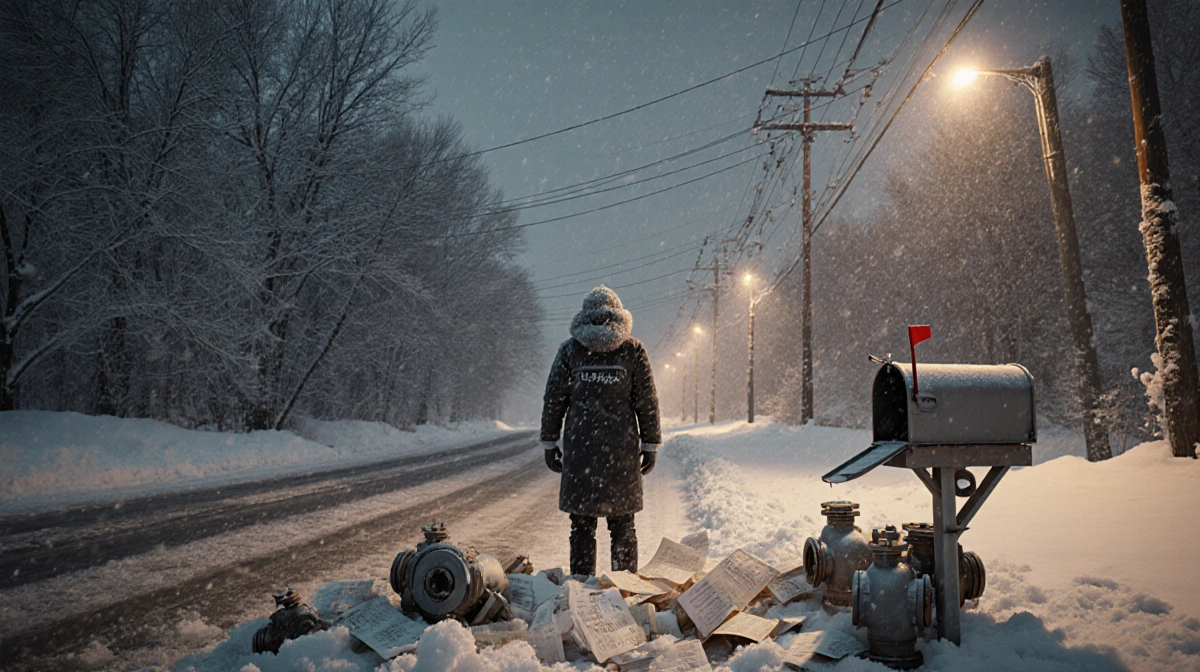
A powerful winter storm is set to hit the United States, and it will force households to turn up their thermostats in a rush, pushing up demand and driving up energy costs. The National Weather Service warned that widespread heavy snow, sleet, and freezing rain will affect a large part of the country from Friday through the weekend. The immediate spike in demand will push prices higher, and the effect will linger for months.
Winter Storm Forecast and Immediate Impact
The National Weather Service’s forecast of heavy snow, sleet, and freezing rain is expected to start Friday and carry through the weekend. The sudden increase in heating demand will cause an immediate jump in both natural gas and electricity bills. Eli Rubin, a senior energy analyst at EBW AnalyticsGroup, explained the phenomenon:
> “Everybody is racing to their thermostat to crank up the heat all at once – there’s just a tremendous demand pull that happens,” said Rubin.
Rubin noted that electric heating is likely to experience a larger surge because electric heaters are not as efficient as gas heaters. He added that electric heaters are typically designed for regions that do not experience prolonged cold, so when severe cold spikes hit those areas, the total demand can skyrocket.
Natural Gas Price Surge
Natural gas prices have been soaring in the days leading up to the forecast winter storm. They have risen about 63% since Monday, the most since December. Rubin explained how the increase will affect consumers:
> “What happens with these huge price increases is that they’re absorbed slowly,” Rubin said. “State regulatory commissions and your local utilities are not going to suddenly double the rate you’re paying for natural gas overnight – but you will be paying. They’re going to phase it in over time.”
This gradual absorption means that the immediate spike in gas prices will not instantly translate into higher bills. Instead, the impact will trickle down over the next several months.
Long-Term Price Dynamics
Rubin also warned that the longer-term price increases for both heating sources could take six months to a year, or even longer, to show up in utility bills. He added that the surge in electricity demand has already been on the rise because of the expansion of artificial intelligence data centers in the U.S., which consume large quantities of energy and have affected residential energy bills.
The U.S. Energy Information Administration (EIA) projected in its Short-Term Energy Outlook released Jan. 13 that natural gas costs will go down this year but rise in 2027 because of “growth in demand-led by expanding liquefied natural gas exports and more natural gas consumption in the electric power sector-will outpace production growth.”
Market Response and Supply Side
Henry Hofmann, a co-portfolio manager of the Catalyst Energy Infrastructure Fund, wrote in an email to News Of Fort Worth that “inventories are ok currently, but the combination of freeze-offs and increased heating demand should cause a significant draw in the weeks ahead.” He added that freezing temperatures can cause equipment used in natural gas production and transportation to fail, leading to power outages and what is referred to as “freeze-offs.”
Hofmann also mentioned that some gas will be diverted from liquefied natural gas (LNG) facilities in the short-term to help balance the market.
What This Means for Consumers
- Higher bills now: Expect an immediate increase in natural gas and electricity costs as demand surges.
- Gradual rise: The full impact of the price surge will appear over the next six months to a year.
- Supply constraints: Freeze-offs and equipment failures could reduce supply, adding to price pressure.
- Long-term outlook: Natural gas prices are projected to rise again in 2027, potentially affecting future household budgets.
Key Takeaways
- The winter storm will cause a sharp, short-term spike in heating demand, driving up energy prices.
- Natural gas prices have already jumped 63% and will continue to rise gradually in consumer bills.
- The EIA forecasts a future increase in natural gas costs in 2027.
- Consumers should anticipate higher bills for the next few months and plan accordingly.
Timeline of Events
| Date | Event |
|---|---|
| Monday | Natural gas prices surge 63% from the previous day |
| Friday | National Weather Service issues heavy snow, sleet, and freezing rain forecast |
| Jan. 13 | EIA releases Short-Term Energy Outlook projecting a 2027 price rise |
| Upcoming weeks | Freeze-offs and increased heating demand expected to draw down inventories |
The combination of a severe winter storm, rising natural gas prices, and supply disruptions will keep energy bills high for consumers in the coming months. Staying informed and planning ahead can help households manage the financial impact of this weather-induced surge.