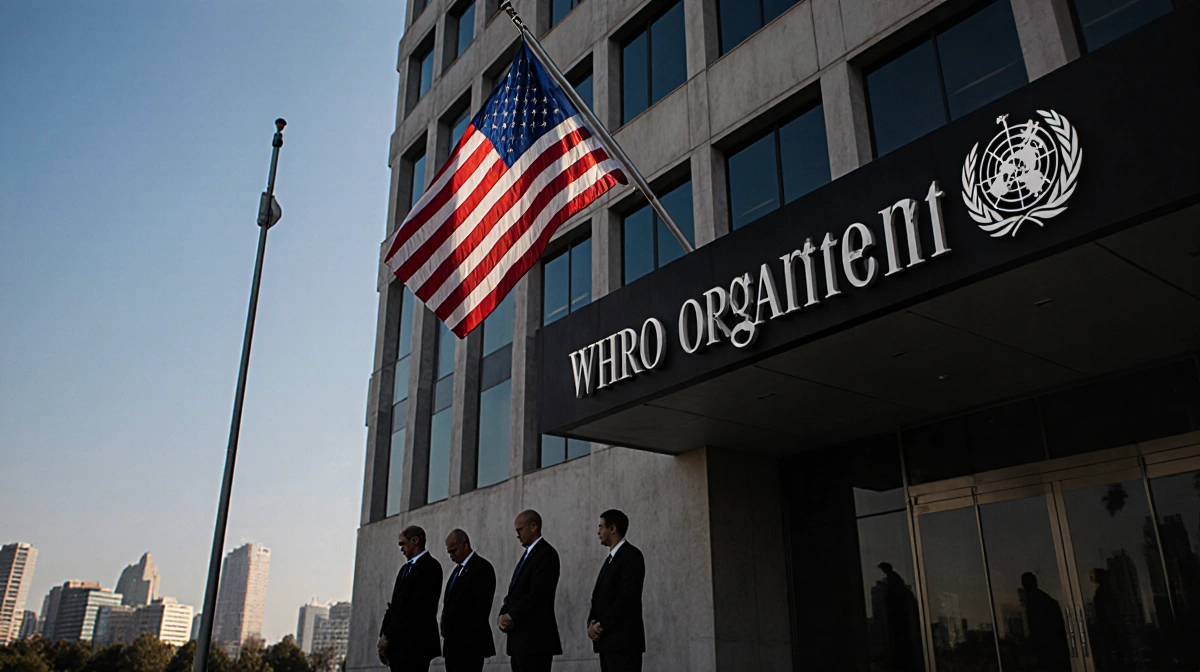

At a Glance
- The U.S. has officially withdrawn from the World Health Organization, leaving a debt of $130 million.
- Withdrawal cuts U.S. participation in global flu surveillance and vaccine development.
- Experts warn the move could cripple polio eradication and other health programs.
Why it matters: The decision removes a major donor and key data-sharing partner from a global health system, potentially delaying responses to future pandemics.
The U.S. has officially withdrawn from the World Health Organization (WHO), a move that leaves the nation with a debt of $130 million and ends its participation in crucial global health initiatives. The decision, announced by former President Donald Trump a year ago, was finalized after federal officials confirmed that the U.S. had not yet settled all financial obligations and that the withdrawal would hamper global disease surveillance.
Background of U.S. WHO Membership
The United States was a founding member of the WHO and has historically been its largest donor. On average, the U.S. pays $111 million a year in member dues and an additional $570 million in voluntary contributions, according to the Department of Health and Human Services. The nation also supplies hundreds of staff with specialized public health expertise.
| Year | Member Dues | Voluntary Contributions | Total Contribution |
|---|---|---|---|
| 2023 | $111 million | $570 million | $681 million |
| 2024 | $111 million | $570 million | $681 million |
| 2025 | $111 million | $570 million | $681 million |
The U.S. role extended beyond funding; it helped shape WHO’s policies on diseases such as mpox, Ebola, and polio, and it provided technical assistance to poorer nations.
Reasons for Withdrawal
In an executive order issued shortly after taking office, President Trump cited the WHO’s handling of the COVID-19 pandemic as a primary reason for the exit. He also criticized the agency’s “failure to adopt urgently needed reforms” and its “inability to demonstrate independence from the inappropriate political influence of WHO member states.”
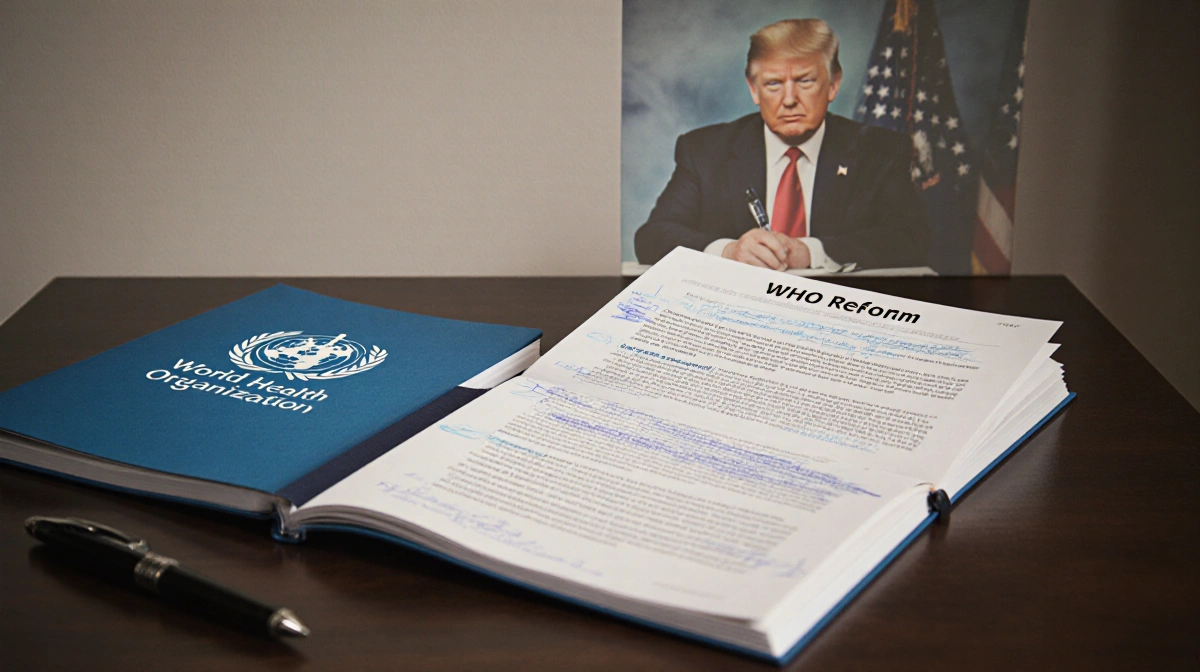
The Trump administration also pointed out that none of WHO’s nine chief executives since 1948 have been American, arguing that this was unfair given the U.S.’s financial contributions.
Financial Implications
The WHO reports that the U.S. has not paid any dues for 2024 and 2025, leaving a balance of more than $133 million. An administration official denied that the U.S. was obligated to pay before withdrawing, stating that the country had no such requirement.
> “The U.S. has no obligation to pay prior to withdrawing as a member,” an official said.
This debt highlights the financial cost of the withdrawal and raises questions about the U.S.’s long-term engagement with global health.
Impact on Global Health
The U.S. exit will remove American scientists and pharmaceutical companies from WHO-sponsored committees that assess circulating flu strains and guide vaccine updates. It also ends the U.S.’s participation in global flu information-sharing, a system that historically placed the nation “at the front of the line” for new outbreaks.
Dr. Ronald Nahass, president of the Infectious Diseases Society of America, called the withdrawal “shortsighted and misguided” and “scientifically reckless.”
Lawrence Gostin, a public health law expert at Georgetown University, warned that the move could cripple polio eradication efforts, maternal and child health programs, and research into new viral threats.
> “In my opinion, it’s the most ruinous presidential decision in my lifetime,” Gostin said.
Legal and Procedural Issues
The U.S. is legally required to give notice one year in advance of withdrawal, a requirement the country met. However, the withdrawal itself should be authorized by an act of Congress, a point Gostin emphasized.
> “The U.S. joined the organization through an act of Congress, and it is supposed to take an act of Congress to withdraw,” Gostin argued.
The administration’s claim that it could withdraw unilaterally is contested by experts who point to the legal framework governing U.S. membership.
U.S. Future Engagement
Trump officials say they already maintain public health relationships with many countries and are working to ensure direct sharing of disease intelligence. However, they have not disclosed how many bilateral agreements exist.
Gostin remains skeptical about the feasibility of these arrangements. He questioned whether countries that have imposed tariffs on U.S. goods would share critical data.
> “Is China going to sign a contract with the United States? Are the countries in Africa going to do it? Are the countries Trump has slapped with a huge tariff going to send us their data? The claim is almost laughable,” Gostin said.
Key Takeaways
- The U.S. has formally exited the WHO, leaving a debt of $130 million and ending its participation in global disease surveillance.
- The withdrawal undermines U.S. scientists’ ability to collaborate on vaccine development and may slow responses to future pandemics.
- Legal experts argue that the U.S. cannot withdraw without congressional approval, raising questions about the legitimacy of the decision.
- The U.S. remains a major financial contributor to WHO, and its exit may strain global health initiatives such as polio eradication and maternal health programs.
The decision marks a significant shift in global health diplomacy and raises concerns about the U.S.’s role in preventing and responding to future pandemics.