
Introduction
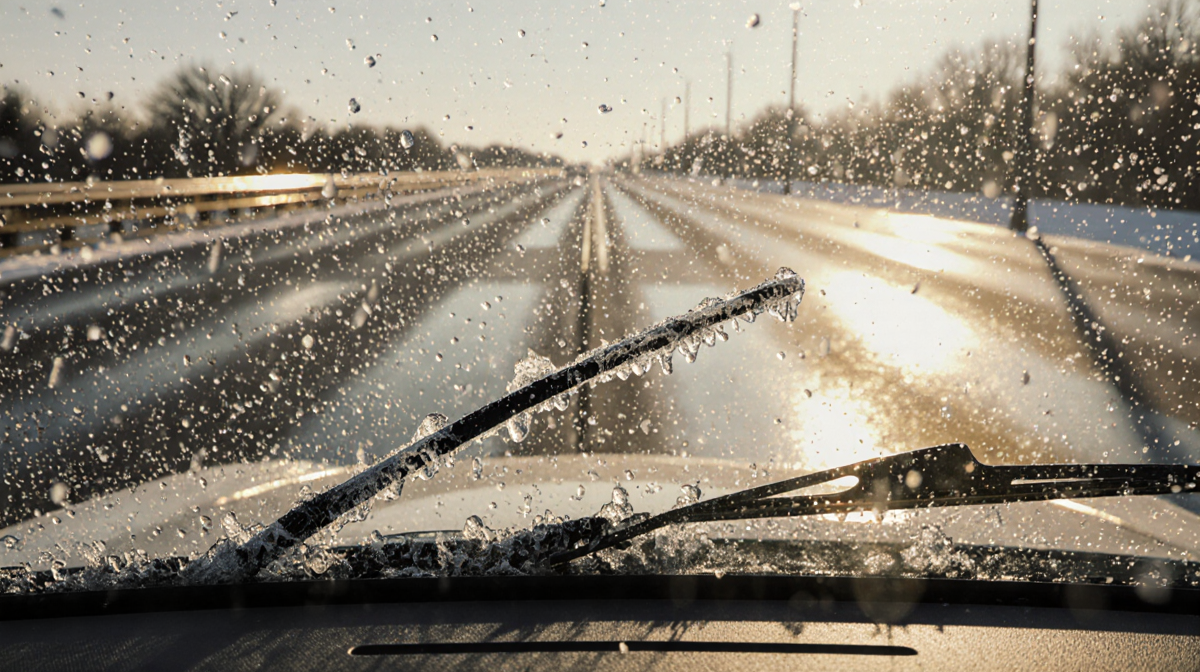
A powerful winter storm is sweeping through Texas, bringing freezing rain, ice, and sleet that threaten travel and power lines. The storm has triggered a Winter Storm Warning and an Extreme Cold Warning, with an Ice Storm Warning covering several East Texas counties. Residents are urged to prepare their homes, pets, and equipment for a harsh cold snap that could last into early Monday.
At a Glance
- 6 p.m. Friday to noon Sunday: Winter Storm Warning in effect.
- 6 p.m. Saturday to noon Monday: Extreme Cold Warning.
- 6 p.m. Friday to 6 p.m. Sunday: Ice Storm Warning for East Texas.
- Expect icy roads, power outages, and dangerous travel conditions.
- Take immediate steps to protect your home, pipes, and pets.
What the Alerts Mean
The three alerts cover different aspects of the storm. A Winter Storm Warning signals that heavy precipitation-rain, sleet, or snow-will fall and create hazardous road conditions. The Extreme Cold Warning warns of temperatures that can drop below freezing, posing risks to health and infrastructure. Finally, the Ice Storm Warning focuses on the accumulation of ice on trees, power lines, and vehicles.
Timing and Coverage
- The Winter Storm Warning starts at 6 p.m. Friday and ends at noon Sunday.
- The Extreme Cold Warning begins at 6 p.m. Saturday and runs until noon Monday.
- The Ice Storm Warning covers several East Texas counties from 6 p.m. Friday through 6 p.m. Sunday.
These overlapping alerts mean that residents could face icy roads and power cuts for more than a day.
Impact on Travel and Power
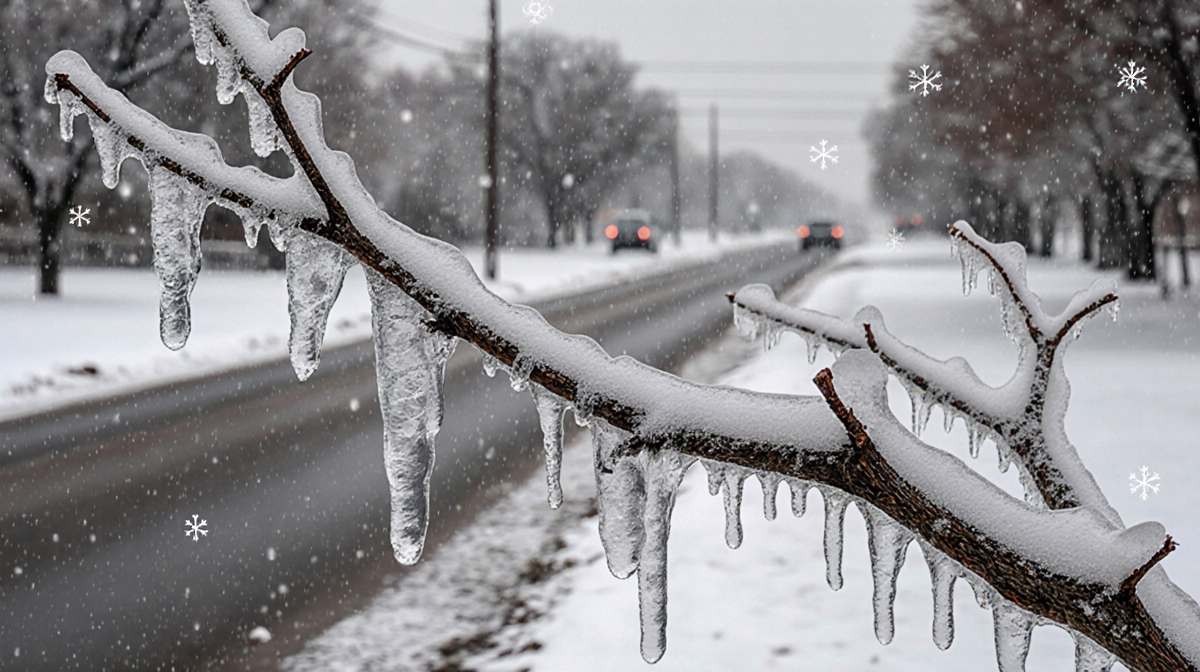
Freezing rain and sleet can coat roads with a slick glaze, making driving dangerous. Ice buildup on power lines can cause them to snap, leading to outages that may last for hours or even days. The storm’s intensity also raises the risk of tree branches falling onto roofs or power infrastructure.
Key Risks
- Roads: Icy and slick, especially after the first rainfall.
- Power: Lines may snap; outages expected.
- Travel: Delays and accidents likely.
Residents are advised to limit travel, use public transportation if possible, and keep emergency supplies on hand.
Preparing Your Home
Homeowners should take a comprehensive approach to winterize their properties. Starting with weatherstripping, then gutters, insulation, and tree trimming will reduce heat loss and protect against ice damage.
Weatherstripping and Seals
- Replace worn weatherstripping on doors and windows.
- Ensure seals are intact; older windows may need glazing replacement.
- Perform this work in spring or fall to allow proper curing.
Gutters and Downspouts
- Clear gutters of debris.
- Ensure water flows freely to prevent ice damming.
- Blocked gutters can let water seep into the home.
Insulation and Attic Checks
- Inspect attic insulation levels.
- Seal any gaps in ductwork.
- Keep insulation in good condition to prevent heat loss.
Tree Trimming
- Trim branches away from power lines.
- Remove any overhanging limbs that could fall during ice buildup.
Protecting Pipes and Faucets
Cold snaps can freeze outdoor and exposed indoor pipes. Taking preventive steps can avoid costly repairs and water damage.
Outdoor Faucets
- Insulate valves with foam covers.
- Disconnect hoses before the cold arrives.
- Use a faucet cover that attaches quickly and protects against freezing.
Indoor Pipes
- Leave cabinet doors open to expose pipes to warmer air.
- Keep faucets on external walls dripping overnight.
- Place a sponge or towel in the sink to catch drips quietly.
Main Water Valve
- Locate the main valve.
- Know how to shut it off quickly if a pipe bursts.
Pets and Plants
Pets and outdoor plants are vulnerable to the cold. Bringing them indoors or providing proper shelter can prevent hypothermia and frost damage.
Pets
- Bring indoor pets inside.
- Provide shelter for outdoor animals: dry, insulated, and protected from wind.
- The SPCA of Texas notes that pets are as susceptible to cold as humans.
Plants
- Move potted perennials indoors.
- Cover plants that cannot be moved with frost blankets or sheets.
- Water soil by hand if the plant is left outside a day or two before a freeze.
Special Care for Delicate Plants
- Use multiple frost blankets for extra protection.
- Keep foliage dry to insulate roots.
Irrigation, HVAC, and Pools
Systems that rely on water or electricity must be prepared to avoid damage and maintain functionality during the storm.
Irrigation
- Turn off the sprinkler system to prevent water from freezing on streets.
- Drain the main line and turn off timers.
- Insulate above-ground pipes.
HVAC
- Change or clean air filters every three months.
- Inspect ductwork for holes caused by rodents.
- If the unit is in an attic, guard against rodent nesting.
Swimming Pools
- Check the pump daily to ensure water circulates.
- Frozen pipes can burst, causing leaks.
Batteries, Phones, and Emergency Supplies
Power outages can last for hours. Having fresh batteries and a charged phone ensures you stay connected to updates and can call for help.
Batteries
- Replace batteries in smoke and carbon monoxide detectors.
- Keep fresh batteries for flashlights.
Phone Power
- Charge phones fully before the storm.
- Consider a backup battery or portable charger.
Emergency Kit
- Include blankets, water, non-perishable food, and a flashlight.
- Store the kit in an accessible location.
Key Takeaways
- A Winter Storm Warning and Extreme Cold Warning overlap, creating hazardous conditions.
- Prepare homes by sealing, insulating, and trimming trees.
- Protect pipes, pets, and plants from freezing temperatures.
- Turn off irrigation and check HVAC systems.
- Keep batteries, phones, and emergency supplies ready.
By acting early and following these steps, residents can reduce the storm’s impact on their safety and property.