
Introduction
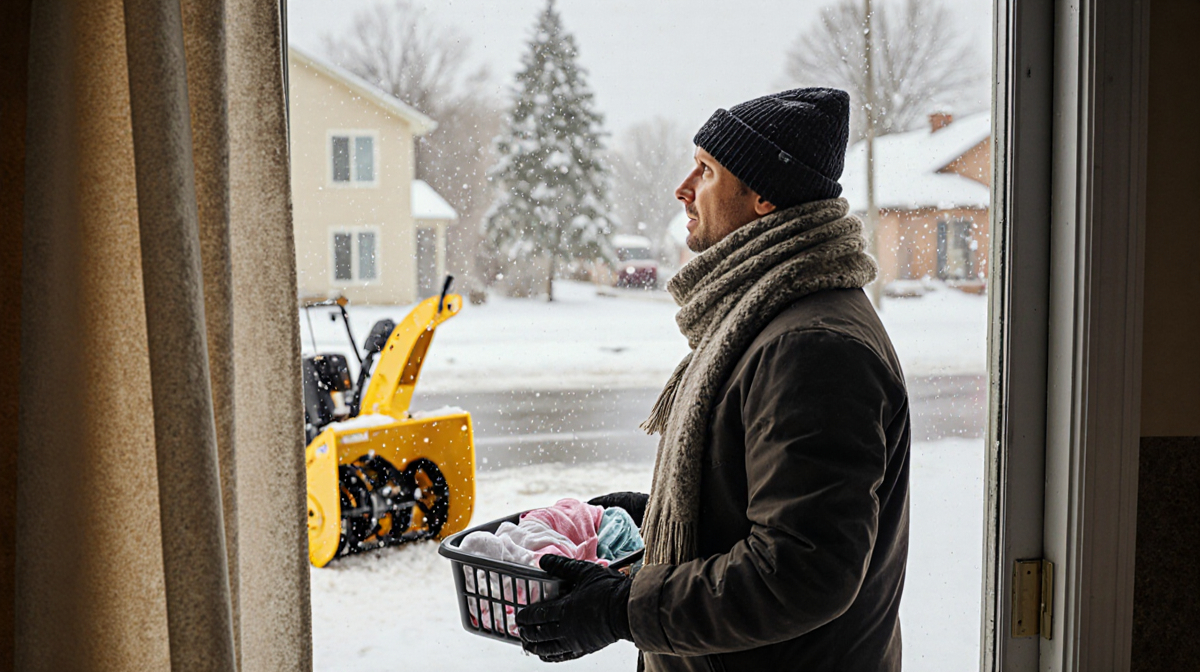
A massive, unnamed winter storm is set to sweep from New Mexico to Maine, touching one third to half of the country’s population by weekend’s end. Experts warn that snow, ice and frigid temperatures will overwhelm many regions unaccustomed to harsh weather. Preparing in advance can keep homes warm, water flowing and families safe.
At a Glance
- Storm path: Eastward from New Mexico to Maine, Friday through Sunday.
- Impact: Up to 41 deaths in the 2022 Buffalo blizzard, most from being outside.
- Key prep: Secure water, heat, power and food supplies.
Why it matters: A power outage can leave you without heat, water or a way to cook; the right gear can mean the difference between comfort and danger.
Water: The Lifeline
What You Need
- Drinkable water or purifiers: Keep a gallon of water per person per day. Jonathan Sury, a senior staff associate at Columbia University’s National Center for Disaster Preparedness, says a week’s supply is ideal. Use bleach to purify if needed.
- Filtered water bottles: The Clearly Filtered stainless-steel bottle pulls contaminants out as you sip.
- Tub or jugs: Fill a bathtub or large containers before the storm.
What You Should Not Do
- Avoid unfiltered snow: Woodrum, National Weather Service preparedness lead, warns that snow carries pollutants and chemicals. If you must melt snow, do so first and then purify.
Warmth: Clothing and Gear
Base Layer
- Wool long underwear: Wool stays warm, neutralizes bacteria and can be worn for days without odor.
Mitts Over Gloves
- Kinco leather work mitts: Offer the warmth of a glove with the protection of a mitten.
Power-Independent Options
- Heated clothing is useful only if you have power; otherwise, use it to charge devices.
Power: Staying Lit
Flashlight
- Arkfeld Pro: Waterproof, reliable light.
- Candles: Provide steady, low-energy illumination.
Power Banks
- Jackery Explorer 2000 Plus: 62-pound unit can boil water.
- Jackery Explorer 300: Solar-compatible, good for small devices.
Generators
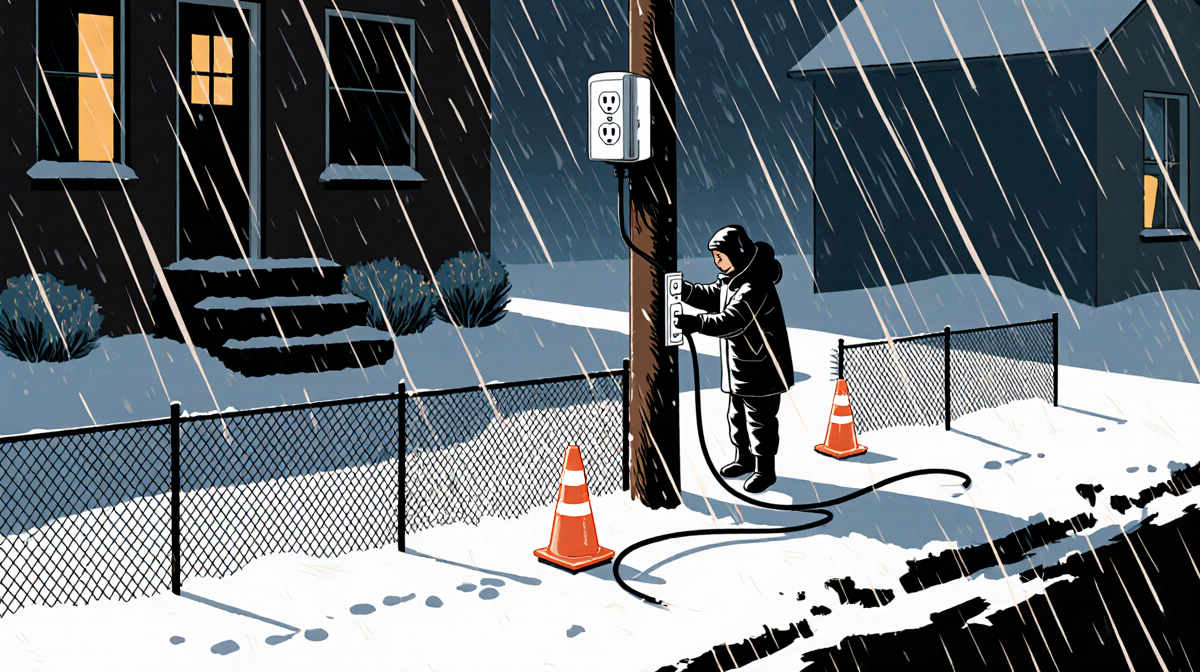
- Westinghouse 4,000-watt: Can run a space heater but must stay 20 feet from indoors to avoid carbon monoxide.
- Built-in generators are expensive; use only for essential medical equipment.
Car Prep
- Portable jump starter: Keep charged; use car heater only in open spaces.
- Avoid sleeping in a running car during a blizzard.
Heating Options
Space Heater
- Dreo Whole Room Heater: Compact, efficient.
- De’Longhi Dragon: Oil-filled, retains heat after being turned off.
Indoor Kerosene
- Not recommended due to oxygen depletion and CO buildup; keep outside.
Outdoor Tools
Shovel
- Suncast 18-inch: Affordable, sturdy.
- Rock salt: Melt ice; sand or kitty litter for traction.
Cooler
- Keeps perishable food at safe temperatures during outages.
Food
- Nonperishable rations: Canned fish, beans, instant ramen.
- MREs: Expensive; not essential for home-bound storms.
Camping Stove
- Coleman 2-burner: Gas stove for cooking when power is lost; use only in ventilated areas.
Additional Tools and Apps
- Battery-powered radio: Stay updated on local emergency info.
- Emergency phone apps: FEMA app, local alert systems.
- Rescu subscription: Connect directly to first responders.
- Nintendo Switch: Entertainment to keep morale high.
Key Takeaways
- Water is priority: Store and purify; avoid snow.
- Power banks and generators: Essential for lighting and heating.
- Clothing and mitts: Keep warm without relying on electricity.
- Food and cooler: Maintain nutrition without refrigeration.
- Stay informed: Radio and apps keep you connected.
By following this guide, you can stay safe and comfortable while the storm roars across the country.