
At a Glance
- Compal is leasing a 366,000-square-foot facility in Taylor, Texas, for a $200 million investment and a nearly $66 million lease.
- Residents who opposed a second data center in Taylor also watched a proposed factory for Compal without protest.
- Activists argue that targeting manufacturing could be a new strategy to slow data-center growth.
Why it matters: The clash shows how communities can oppose high-profile data-center projects but may miss smaller manufacturing sites that feed the data-center industry.
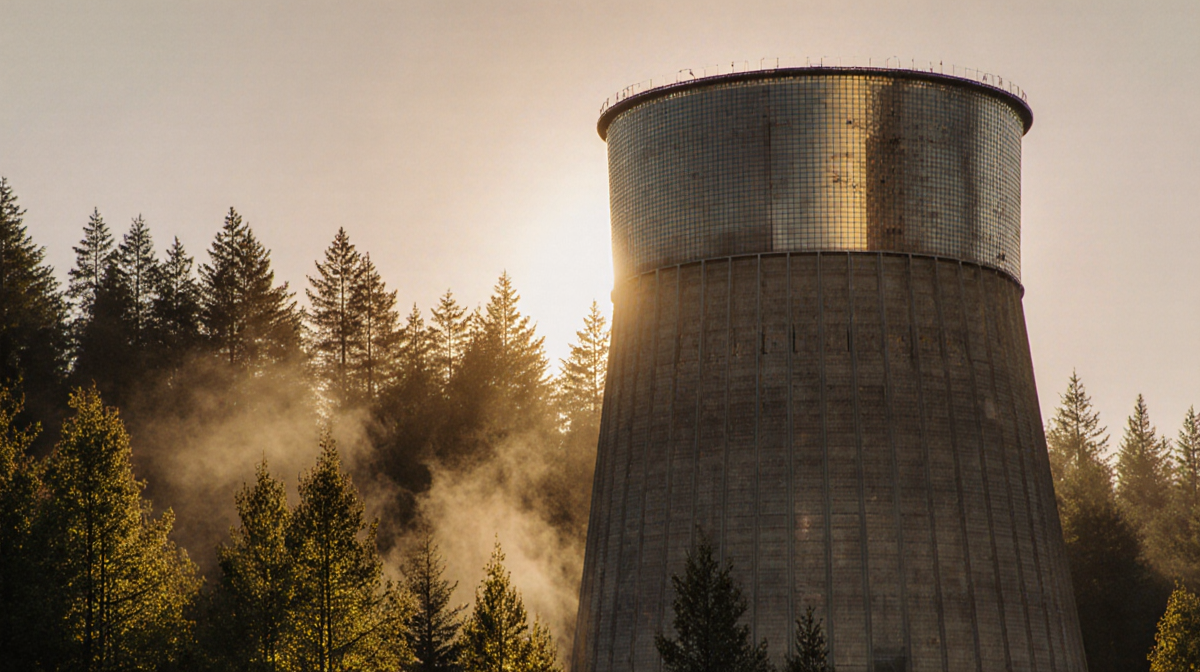
The debate over Compal’s new factory in Taylor, Texas, highlights a growing divide between residents who fiercely oppose data-center developments and the quieter expansion of manufacturing plants that support those data centers.
The Taylor Debate
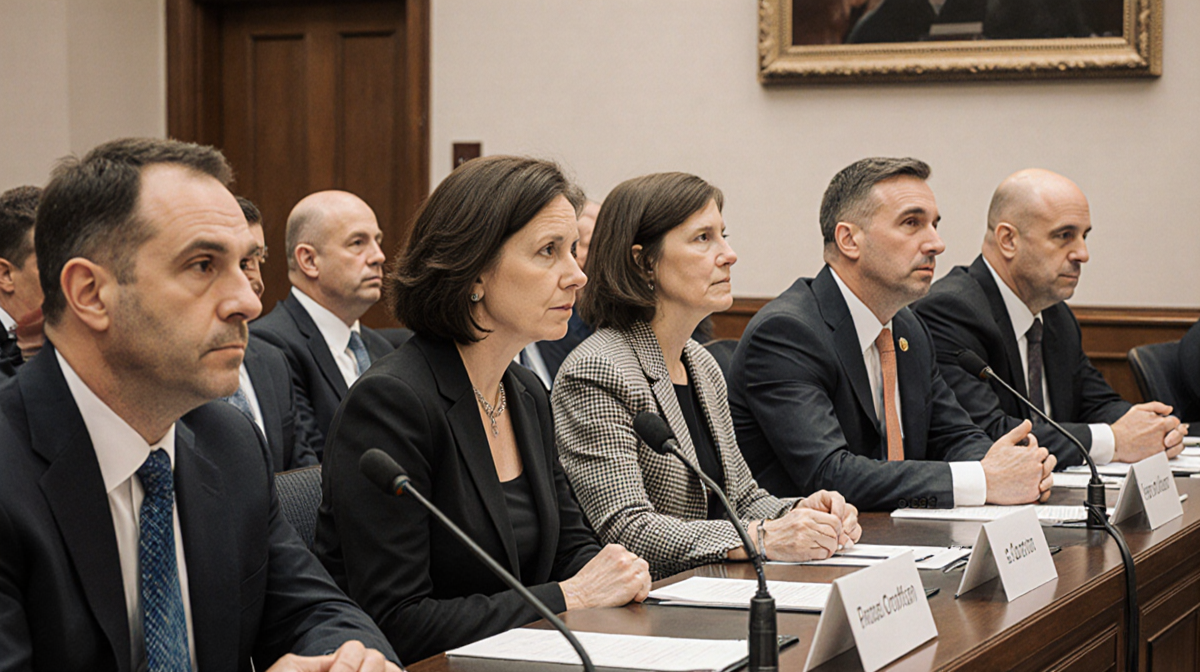
Last month, Pamela Griffin and two other residents of Taylor took the city council’s stage to object to a second data-center project. Their voices, however, faded when council members shifted focus to a proposed factory for Taiwanese manufacturer Compal. No one, including Griffin, spoke against the factory.
This pattern is emerging across the United States. Data-center projects often face public resistance due to environmental concerns, while the factories that supply servers, electrical gear, and other parts receive little scrutiny.
Key Points
- Data centers: High energy use, significant environmental impact.
- Manufacturing plants: Create jobs, consume fewer natural resources, and rarely face opposition.
- Activists’ dilemma: Challenging factories is harder due to opacity and legal complexities.
Data Centers vs. Manufacturing
Factories that build components for data centers tend to be perceived as less harmful. They also tend to receive tax breaks and permits with little public debate. This contrast creates a strategic gap for activists.
> “At some point, people are going to figure out what the critical factory is that can bring all the data centers to their knees, and they will go after that,” says Andy Tsay, a Santa Clara University professor who studies global trade and reshoring.
Tsay’s observation suggests that targeting the supply chain could become a new tactic to slow data-center construction. However, activists like Griffin believe the movement is stretched thin.
Activist Perspective
- Griffin’s stance: “We need to start at the bottom and get those guys that make those servers, but we first got to get people to understand what these data centers are. We need to pick our battles.”
- Resource constraints: Limited time and funding to challenge multiple projects.
- Strategic focus: Concentrate on high-visibility data-center projects.
Compal’s Project Details
Compal’s plans for the Taylor facility are straightforward. City records describe the factory’s purpose as making servers, along with smart-home devices and automotive electronics. Compal spokesperson Tina Chang told News Of Fort Worth that the Taylor factory will focus on the company’s server business.
The building is being leased by Compal USA Technology, a subsidiary created last year to expand Compal’s server operations in the United States. A nearby site in Georgetown, Texas, will establish a server service center supporting enterprise and cloud infrastructure needs.
Facility Highlights
| Feature | Detail |
|---|---|
| Size | 366,000-square-foot |
| Lease | Nearly $66 million |
| Total investment | $200 million |
| Purpose | Server manufacturing and related electronics |
| Subsidiary | Compal USA Technology |
| Related site | Georgetown, Texas – server service center |
Taylor spent over a year courting Compal. The city considered alternatives worldwide before choosing the location. A prebuilt facility won the company, which cited the city’s openness as a key factor.
> “They fell in love with the openness,” Ben White, president of the Taylor Economic Development Corporation, told the city council at the December meeting.
Activist Strategy and Challenges
Griffin’s case illustrates the obstacles activists face when considering challenges to manufacturing projects. The lack of transparency about a factory’s role in the data-center ecosystem, combined with public perception and potential legal battles, makes it difficult to mobilize support.
Barriers
- Opacity: Limited public information on how the factory supports data-center operations.
- Public perception: Communities view factories as job creators, not environmental threats.
- Legal complexity: Manufacturing projects often have streamlined permitting processes.
Potential Tactics
- Information campaigns: Educate residents about the supply chain’s environmental footprint.
- Coalition building: Partner with environmental groups to broaden opposition.
- Legal challenges: Seek injunctions or regulatory reviews if environmental permits are questionable.
Looking Ahead
The Compal project in Taylor underscores a broader trend: manufacturing plants that feed data centers are growing with little public pushback. If activists can shift focus to these factories, they might slow the overall expansion of data-center infrastructure.
At the same time, communities must balance the economic benefits of job creation against potential environmental costs. The next steps will involve monitoring Compal’s construction, assessing its environmental impact, and determining whether the activist movement can expand its scope.
Key Takeaways
- Compal’s Taylor factory is a $200 million investment with a nearly $66 million lease.
- Residents opposed a data-center project but did not challenge the factory.
- Activists see targeting the supply chain as a potential new strategy but face resource and perception challenges.
- The factory’s purpose is server manufacturing, with additional products like smart-home devices.
- Taylor’s openness and a prebuilt facility attracted Compal, highlighting the role of local incentives.
The unfolding situation in Taylor may set a precedent for how communities confront the hidden infrastructure behind the data-center boom.