
All products featured on News Of Fort Worth are independently selected by our editors. However, we may receive compensation from retailers and/or from purchases of products through these links. Learn more.
At a Glance
- Anon M5 Goggles offer a flat toric lens and magnetic swap system.
- 2025-26 models focus on spherical, toric, and photochromic optics.
- Magnetic lens swaps are now common on goggles priced above $200.
- Why it matters: Better optics and fit mean clearer vision and safer skiing.
Skiing at altitude exposes your eyes to intense UV and wind. New goggles for the 2025-26 season improve visibility with advanced lens shapes and better ventilation. Below is a rundown of the top models, how they work, and what to look for.
What’s New in 2025-26 Goggles
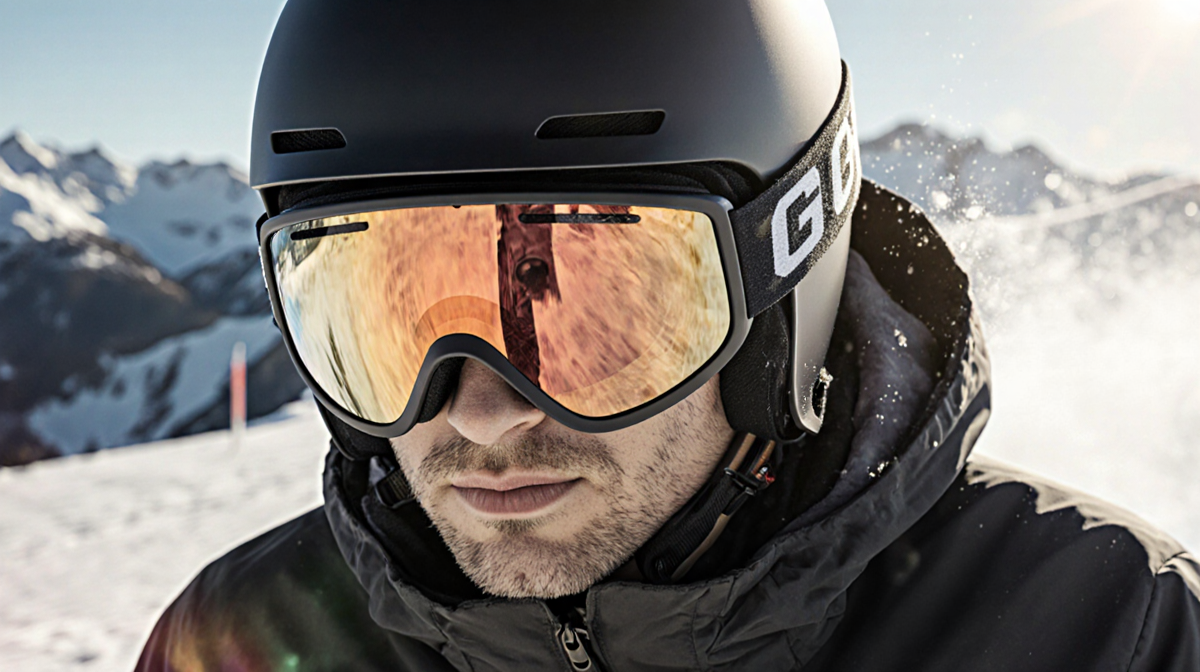
The biggest change this season is incremental: more brands use spherical and toric lenses. A toric lens has a slightly flatter Y-axis, expanding peripheral vision without distortion. Photochromic lenses are also more common, automatically adjusting to light. Magnetic lens-swap systems have become almost mandatory on models above $200.
Fit options are diversifying. Small and low-bridge frames are now common, and a handful of over-the-glasses (OTG) designs accommodate glasses wearers.
Best Overall: Anon M5 Goggles
The Anon M5 Goggles combine a flat toric lens with the low-profile, contrast-enhancing qualities of a cylindrical lens. The proprietary Perceive lens technology boosts contrast and clarity, revealing bumps and contours even in poor light.
As you’d hope for $300, you get a second lens included-there are 8 options available, with spares costing $130. The magnetic lens-swap system is the fastest and most glove-friendly on the market, and the MFI magnetic face mask connects seamlessly to the goggle frame, eliminating drafts and fog.
The standard M5 are fairly large, but an identical design called the Anon M5S is available in a slightly smaller frame.
Best Goggles for Glasses Wearers: Roka Niseko
Roka’s debut ski collection competes with Anon and Smith. The Roka Niseko features a quick-change magnetic lens system, low- and high-light optics, and a grippy headband. The frameless design may not appeal to fashion-conscious skiers, but the wide view is undeniable.
A Rose Mirror lens (S2, 24 % VLT) performed superbly in sunshine and cloud. With a 70 % VLT, it lets in a large amount of light, and the yellow tint enhances contours in low light. The foam fits neatly over oval spectacles.
Best Lenses: Smith Optics Preview ChromaPop
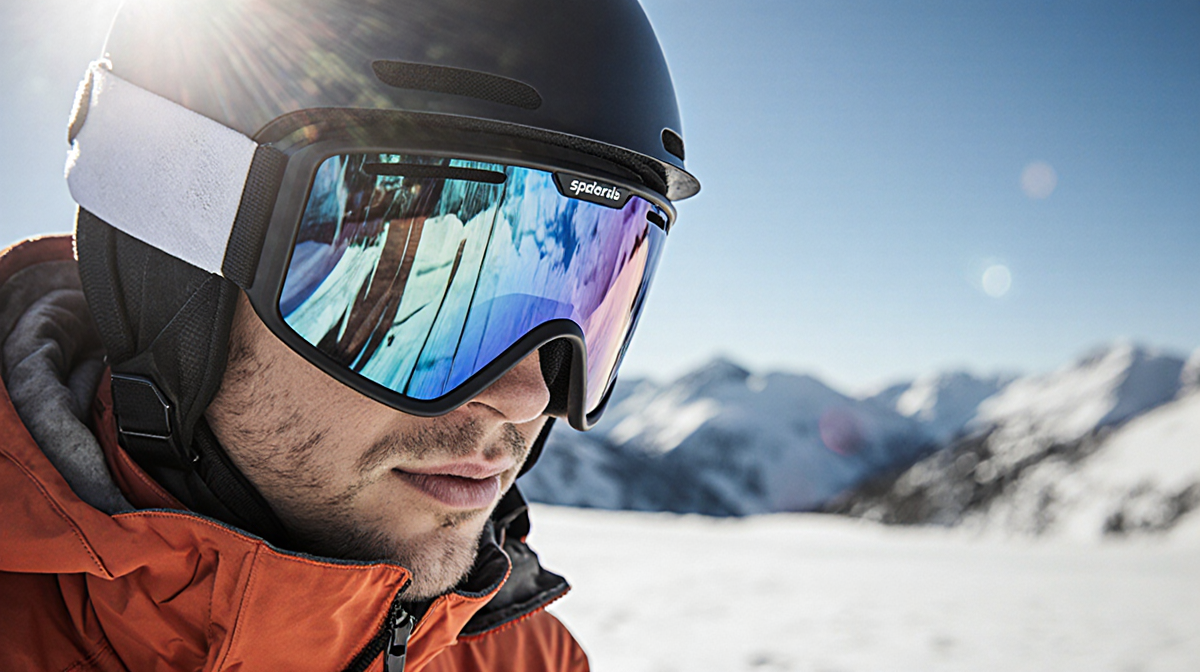
Smith’s flagship 4D Mag goggles are highly rated, but the Anon M5 offers a better overall package. Smith’s Preview lenses are versatile and cost-effective. A sample came with ChromaPop Everyday Blue Mirror lenses (Cat 2, 23 % VLT), ideal for bright days.
The spherical-style lens with a tight bottom curve improves field of view. Contrast is great, and snow definition is noticeable even in overcast light. Smith supplies one lens per goggle, but 17 options start from $50.
Best Widescreen: Sweet Protection Connor RIG Reflect
Sweet Protection’s Connor RIG Reflect offers a wide field of view in a medium-size frame. The toric lens has more vertical curve than the Anon M5, revealing the slope below your eye line. The bold mirrored Topaz lens (12 % VLT) performed flawlessly in bright sunshine and shade.
Comfort, helmet fit, and ventilation are excellent, making them a solid choice for blizzards.
Most Popular: Zeal Cloudfall
Zeal’s Cloudfall uses a spherical lens shape supersized to “goldfish bowl” proportions. The Observation Deck Tech claims a 20 % wider view. A 10 % dark-gray VLT lens minimizes glare on a glacier, while a 65 % VLT Sky Blue lens suits blizzard conditions. At $50, spare lenses are affordable.
The fit is medium, and while OTG, glasses didn’t fit as seamlessly as with Salomon Sentry Pro. Zeal upgraded the squeeze-and-pull system to a rail system with magnets.
Most Robust: Dragon DX3 Plus
The original Dragon DX3 OTG goggle was popular for its build and value. The DX3 Plus retains the retro silhouette but adds comfort with three layers of foam padding. It comes with an extra lens and reinforced ventilation.
Lumalens injection-molded lenses boost detail and clarity, especially in cloud. The antifog coating resists moisture buildup.
Best Kids: Giro Stomp
Designed for 8-to-13-year-olds, the Giro Stomp features cylindrical injection-molded lenses in a wide range of tints and VLT percentages. The triple-layer foam keeps the goggles away from the face, reducing fog.
The wide field of vision and durable construction make it a top choice for children.
Best Value Photochromic: Salomon S/View
The Salomon S/View Photochromic goggles combine a universal medium fit with a photochromic cylindrical lens that adjusts quickly from light to dark (Cat 1-3, 12-50 % VLT). Foam is super soft, the bridge shape fits a range of faces, and the raised frame protects lenses from scratches.
At $125, they offer excellent value for families.
Classic Do-It-All: Oakley Line Miner
Oakley’s Line Miner range offers great vision, durability, and price. Large, medium, and youth sizes are available, and the bold Rene Rinnekangas signature design (17 % VLT) is popular. The Oakley Prizm lens is a low-profile cylindrical shape.
Spare lenses start from $62, but the goggle only supplies one lens. Oakley’s larger notches make the lens-swap system easier than a dumb system.
Also Worth Considering: Anon M6
The Anon M6, similar in price to the M5, features a slightly smaller design and cylindrical lens. It includes a spare low-light lens, hard case, and snood-style face mask, adding value.
How We Tested Ski Goggles
The author has reviewed winter sports gear for decades, testing countless goggles at trade shows and on the mountain. All recommended models were worn in skiing conditions across a range of light and weather to assess visibility.
Which Lenses Do I Need?
Ski goggle lenses are categorized from 0 to 4, with 4 for the brightest conditions. A 0 is a clear lens; a good all-around lens usually covers categories 2-3. Visual light transmission (VLT) indicates how much light passes through.
General guidance:
- Extremely sunny: category 3-4 (8-18 % VLT).
- Bright conditions: category 3 (8-18 % VLT).
- Mixed conditions: all-round lens category 2-3 (18-43 % VLT).
- Poor visibility: yellow or rose tint, category 1-2 (43-80 % VLT).
Features to Look For
- Interchangeable lenses with strong magnets.
- Ventilation: vents on top, sides, and bottom.
- Antifog coating: treat inside with hydrophilic chemical.
- Mirrored or polarized lenses reduce glare.
- Helmet compatibility: seamless fit avoids cold spots.
What Type of Ski Goggle Do I Need?
- Cylindrical lenses are cheaper and flatter.
- Spherical lenses offer a bug-eyed view, especially up and down.
- Toric lenses combine cylindrical and spherical benefits.
- Oversize goggles give the biggest field of view.
- OTG designs accommodate glasses wearers.
All models reviewed include 100 % UV protection and comfort padding. Magnetic swaps and ventilation are essential for clear, fog-free vision.
Final Thoughts
The 2025-26 season’s goggles focus on better optics, ventilation, and fit. Magnetic swaps and photochromic lenses are now standard on higher-priced models, while fit options broaden for all skiers. Whether you’re a seasoned pro or a child on the slopes, the right pair can make a significant difference in safety and performance.