

At a Glance
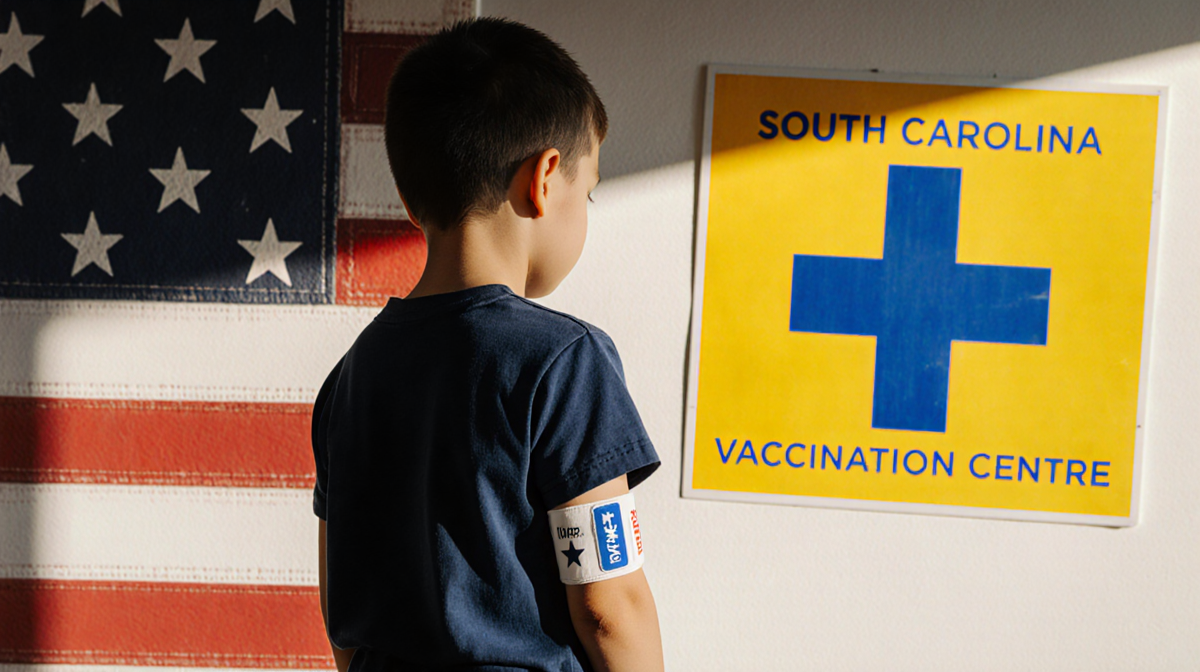
- The outbreak now has 789 confirmed cases in South Carolina.
- It has spread to California, North Carolina, Washington, and Ohio.
- Quarantine orders affect more than 557 people.
- 60.1% of students at a private school are unvaccinated.
The South Carolina measles outbreak now counts 789 confirmed cases, surpassing the 2025 West Texas surge that infected 762 people. The spread has reached California, North Carolina, Washington, and Ohio. Health officials warn that the outbreak is still expanding.
Health officials say the majority of cases are concentrated in Spartanburg County, where many individuals are unvaccinated or unaware of their vaccination status. The Department of Public Health reported 89 new cases since Friday, indicating the outbreak is not under control. The county has issued new guidance to increase surveillance.
By January, cases linked to South Carolina were documented in California, North Carolina, and Washington. Probable cases have also been reported in Ohio, according to NBC affiliate WKYC. The spread across state lines highlights the need for interstate coordination.
Health authorities have placed 557 people under 21-day quarantine. The orders target individuals who have been exposed to confirmed cases. Quarantine protocols aim to limit further transmission.
More than 170 people in Union County, North Carolina, are connected to a case at Shining Light Baptist Academy, a private Christian school with children as young as six weeks old. The school’s low vaccination rate has amplified risk. Union County Public Health issued a warning that the unvaccinated child attended school while contagious.
Only 60.1% of students at Shining Light Baptist Academy are vaccinated against measles, according to the North Carolina Department of Health and Human Services. The low coverage has created a potential tinderbox for the virus. The school’s situation mirrors trends seen in upstate South Carolina.
Dr. Zack Moore, state epidemiologist for North Carolina, said he’s keeping watch on vulnerable areas in the western part of the state with low vaccination rates and close proximity to the South Carolina outbreak zone. “We know there’s a lot of back and forth travel, so that is certainly a concern,” he added during a Jan. 21 media briefing.
Dr. Ralph Abraham, the Centers for Disease Control and Prevention’s principal deputy director, appeared to shrug off the outbreak during a call with reporters on Jan. 20. “It’s just the cost of doing business, with our borders being somewhat porous,” he said. He acknowledged the effectiveness of the MMR vaccine but did not explicitly encourage vaccination in outbreak areas.
Dr. Deborah Greenhouse, a pediatrician in Columbia, said she was very sad about the outbreak. “It emphasizes even more that we need to continue the work of trying to educate families in South Carolina and trying to get families to understand that the way we shut this down is by increasing our vaccination rates and by complying with isolation and quarantine,” she said.
Greenhouse, who is also a past president of the South Carolina chapter of the American Academy of Pediatrics, warned that schools with very low vaccination rates create a tinderbox for measles. “That’s what happened in the upstate of South Carolina, and that’s exactly what can happen over and over again if the disease spreads to other areas with low vaccination rates,” she said.
Nationally, 2,255 measles cases were recorded in 2025, the highest number since 1991, according to the Centers for Disease Control and Prevention. In January alone, 416 cases have been confirmed across the United States. The vast majority-93%-of patients are unvaccinated.
The United States teeters toward losing its measles elimination status, which could happen as soon as this fall if it is determined that the virus originated from a single source and continued to circulate for a full year. Health officials are monitoring the situation closely.
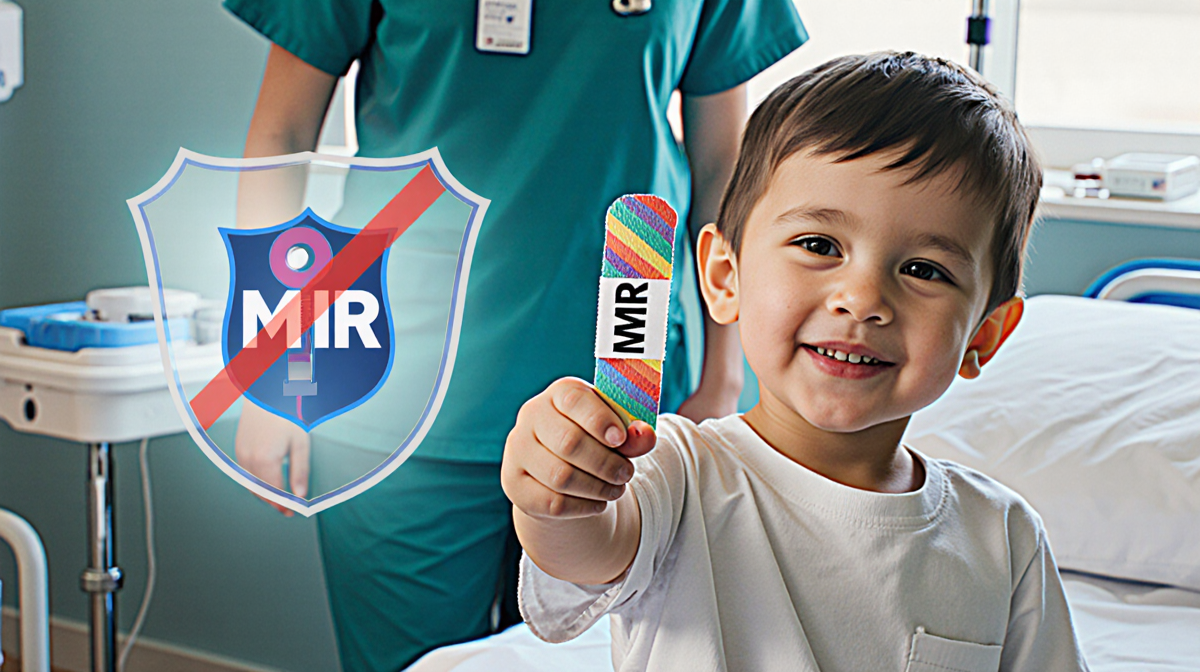
Experts emphasize that the measles-mumps-rubella (MMR) vaccine is highly effective in preventing measles. Dr. Diego Hijano, a pediatric infectious disease specialist from St. Jude Children’s Research Hospital, has discussed how the vaccine protects children, though no direct quote is included in this report.
The outbreak underscores the importance of maintaining high vaccination coverage, especially in schools. It also highlights the challenges of enforcing quarantine and isolation when unvaccinated individuals attend public institutions.
North Carolina health officials have reported 14 cases as of Tuesday, some with direct links to South Carolina. The state’s quarantine orders have impacted more than 170 residents in Union County, reflecting the spread into neighboring regions.
Union County Public Health issued alerts that the unvaccinated child at Shining Light Baptist Academy attended school while contagious. The county is working with the school to provide additional resources and support for affected families.
School administrators are reviewing vaccination policies to prevent future outbreaks. They are also coordinating with state health departments to increase outreach to parents and caregivers.
Health departments are launching educational campaigns to raise awareness about measles risks. They are targeting communities with historically low vaccination rates to improve coverage.
State and federal agencies are collaborating to track cases and share data across borders. This cooperation aims to identify new cases quickly and contain the spread.
South Carolina’s measles outbreak now has 789 confirmed cases, surpassing the 2025 West Texas surge. The spread to multiple states and low vaccination rates in schools highlight the urgency of vaccination and quarantine measures. Public health officials emphasize that the MMR vaccine remains a critical tool in preventing measles.
Most of those sickened are children and teenagers, health officials said. At least 23 schools in South Carolina have students in quarantine. The emotional toll on families is significant.
Investigators are tracing contacts for each confirmed case to determine the chain of transmission. They are also assessing whether the virus is circulating from a single source or multiple introductions. This information will guide future containment strategies.
State health departments are offering free vaccination clinics in high-risk areas. They are also partnering with community organizations to reach underserved populations. The goal is to increase coverage above the 95% threshold needed for herd immunity.
Officials recommend that schools require proof of vaccination for enrollment. They also suggest that unvaccinated individuals who test positive should be isolated promptly. These measures aim to reduce the likelihood of further spread.
Health authorities continue to monitor the outbreak and adjust protocols as new data emerges. Families are urged to stay informed and follow guidance from local health officials. The collective effort to increase vaccination rates remains the most effective defense against measles.