

At a Glance
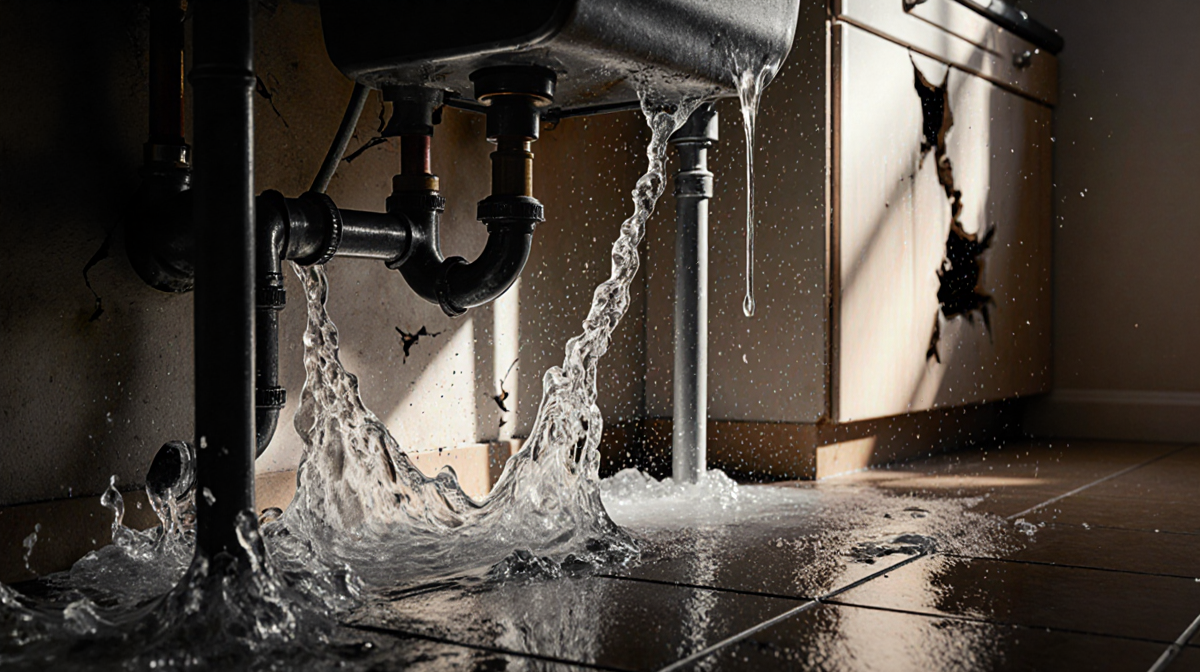
- A recent cold snap in North Texas caused over 350 calls to the water department, with 207 involving burst pipes.
- City crews reported 23 main-water breaks, 17 of which were fixed by Tuesday afternoon.
- Plumbers advise keeping thermostats at 70 degrees and leaving exterior faucets trickling.
- Why it matters: Residents face costly repairs and safety risks from burst pipes and fire suppression system failures.
The latest winter storm in North Texas has turned a quiet neighborhood into a patchwork of burst pipes and emergency fire alarms. The freeze, lasting roughly 60 hours, has prompted a surge of water-related incidents that city crews are still addressing.
Freeze Causes Pipe Breaks
The cold weather, which began on January 23, has left many water systems vulnerable. According to the city of Dallas, the Dallas Water Utilities received more than 350 cold-weather calls since Friday, Jan. 23. Of those, 207 were due to burst pipes.
| Category | Total | Repairs Completed |
|---|---|---|
| Main-water breaks | 23 | 17 |
| Other pipe incidents | 130 | – |
The city’s rapid response has prevented a larger crisis. While the freeze continues, crews remain on the job, working to mend the remaining main-water breaks.
Residents’ Experiences
Taylor Small, who lives in an Oak Lawn apartment, was at home when her building’s fire alarm rang on Monday. She thought it was a fire, but upon checking, she discovered a burst pipe.
> “Initially thought: oh there’s a fire. Let me get my cat,” she said. “But then I went downstairs, and it was a pipe burst.”
She recorded the water leaking from the patio and balconies, capturing the extent of the damage. Fortunately, no one was injured, and her unit remained intact.
> “It was a good bonding time for all of us neighbors,” Small said. “Cooked each other dinner later and everything was fine.”
The incident highlights how a single burst can affect an entire building, especially when fire suppression systems are involved.
Plumbing Expert Advice
Master plumber David Butler, who works with Milestone Electric, A/C and Plumbing, explains why the freeze is causing such widespread damage.
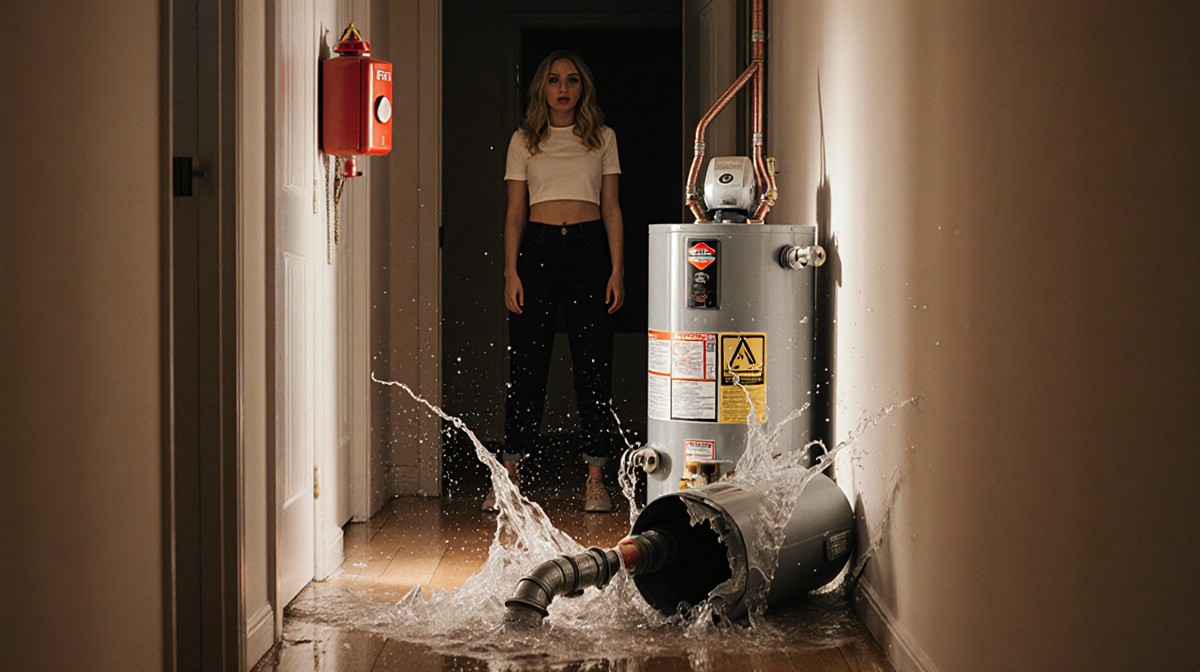
> “When it gets this cold, it seems water heaters tend to fail more frequently,” Butler said. “We’ve got a lot of water heaters and tankless water heaters that are starting to leak and burst.”
Butler recommends several preventive steps:
- Keep thermostats at 70 degrees to reduce the risk of burst fire systems.
- Leave faucets on exterior walls trickling for a few days after a thaw, especially if the sun briefly warms the area.
- Listen for running water or check for low pressure; if a problem is detected, shut off the water immediately.
> “If you’ve got any faucets on exterior walls inside the house, I would still leave them trickling at least the next day or two until about 8 or 10 o’clock the next morning,” Butler said.
He also advises residents to call the water department or fire station if they notice a leak or burst.
City Response and Statistics
The Dallas Water Utilities has responded to a significant volume of calls. As of 12:30 p.m. Tuesday, 207 of the 350 calls were for burst pipes. In addition, 23 main-water breaks were confirmed, with 17 repairs completed by the afternoon.
The city’s response has been swift, and no widespread power outages occurred during the freeze, which is credited to the utilities’ efficient handling of the situation.
Preventive Measures
Residents are urged to remain vigilant as temperatures may still dip below freezing for a few more days. Key actions include:
- Maintain thermostat settings at 70 degrees.
- Keep exterior faucets trickling for 1-2 days after a thaw.
- Monitor water pressure and listen for unusual sounds.
- Shut off the main water if a leak is suspected.
- Contact the water department for assistance.
By following these steps, homeowners can reduce the risk of future pipe bursts and protect their property.
Key Takeaways
- The freeze has led to a surge in water-related incidents across North Texas.
- City crews are actively repairing main-water breaks and addressing burst pipes.
- Plumbers advise maintaining thermostats at 70 degrees and leaving exterior faucets trickling.
- Residents should remain proactive to avoid costly repairs and safety hazards.
The situation underscores the importance of preparedness during extreme weather events and the critical role of municipal response teams in safeguarding communities.