
At a Glance
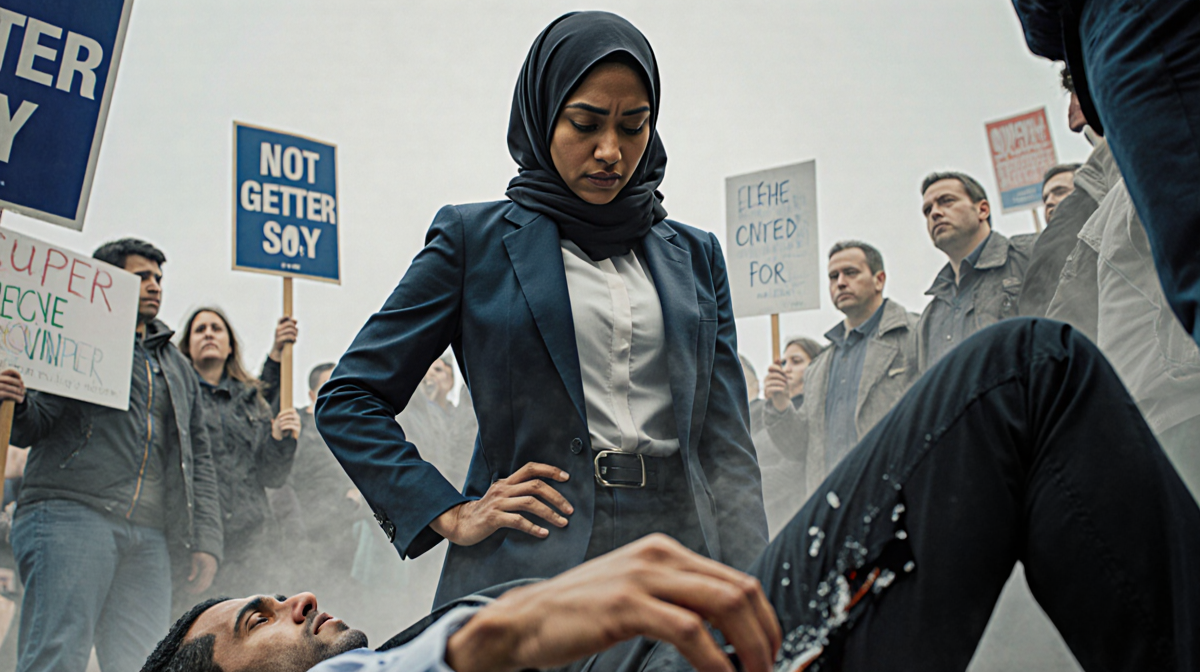
- A man sprayed an unknown liquid on Ilhan Omar during a Minneapolis town hall on January 27, 2026.
- Omar was tackled, but she continued the meeting and posted a calm message on X.
- The suspect was arrested for third-degree assault and booked into county jail.
- Politicians from both parties condemned the attack and highlighted rising threats to lawmakers.
Omar was sprayed with an unknown substance during a town hall in Minneapolis, but she refused to let the incident derail her work. The event, held at the Urban League Twin Cities facility, unfolded after the congresswoman had called for the abolishment of ICE and urged Homeland Security Secretary Kristi Noem to resign.
The Incident
On January 27, 2026, a man in a black jacket entered the meeting with a syringe. Police observed him spray an unidentified liquid at Omar before she was pinned down by security. Witnesses shouted, “Oh my god, he sprayed something on her.”
The crowd cheered as the attacker was tackled and his arms were tied behind his back. The substance smelled vinegar-like, and the suspect was not identified. Minneapolis police said they arrested the man and booked him at the county jail for third-degree assault. Forensic scientists were dispatched to the scene.
Omar’s Response
After the attacker was removed, Omar continued the town hall. She stated she would not be intimidated, though she felt “a little flustered.” She was to be screened by a medical team.
Later that evening, Omar posted on X:
> “I’m ok. I’m a survivor so this small agitator isn’t going to intimidate me from doing my work. I don’t let bullies win. Grateful to my incredible constituents who rallied behind me. Minnesota strong.”
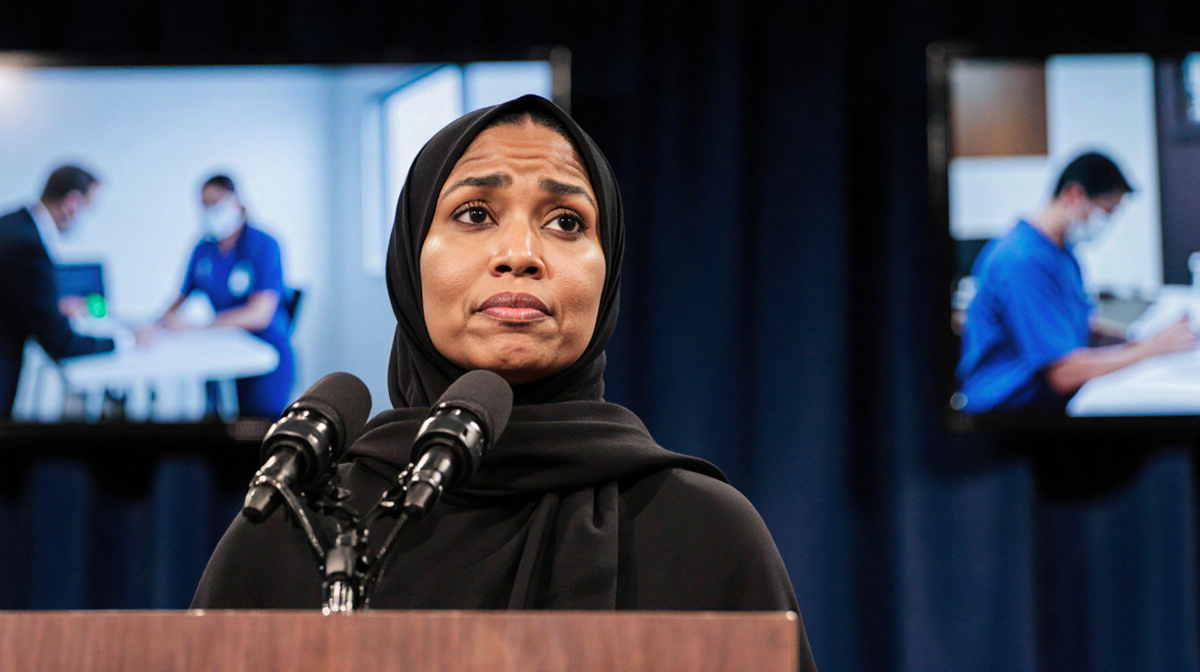
She had previously declared, “ICE cannot be reformed,” in the same meeting.
Political Fallout
The attack prompted swift condemnation from lawmakers across the aisle.
- Nancy Mace tweeted: “I am deeply disturbed to learn that Rep. Ilhan Omar was attacked at a town hall today. Regardless of how vehemently I disagree with her rhetoric – and I do – no elected official should face physical attacks. This is not who we are.”
- Jacob Frey, Minneapolis mayor, said: “Unacceptable. Violence and intimidation have no place in Minneapolis. We can disagree without putting people at risk.” He added that he was relieved Omar “is OK” and thanked police for their quick response, concluding: “This kind of behavior will not be tolerated in our city.”
President Donald Trump, who has repeatedly criticized Omar, added to the tension with remarks in Iowa earlier that day. He said his administration would only let in immigrants who “can show that they love our country,” and added: “She comes from a country that’s a disaster. So probably, it’s considered, I think – it’s not even a country.” Trump also called her “garbage” and her friends “garbage” during a December cabinet meeting.
Threat Landscape
Omar’s assault came amid a broader spike in threats against members of Congress. According to the most recent figures from U.S. Capitol Police, threats peaked in 2021 and the aftermath of the January 6 attack, dipped slightly, and climbed again.
The incident follows a Utah arrest of a man who punched Rep. Maxwell Frost during the Sundance Film Festival, accusing Trump of intending to deport him. The rising threat environment has prompted some lawmakers to reconsider holding public events or seeking reelection.
Legal Response
Minneapolis police identified the attacker, secured a syringe, and booked the suspect for third-degree assault. Forensic scientists were called to the scene to analyze the unknown liquid. The suspect remains in county jail, with no further details released.
The White House has not yet responded to inquiries about the incident.
Key Takeaways
- Omar was sprayed with an unknown liquid but remained composed.
- The suspect was arrested for third-degree assault and booked into jail.
- Politicians across the spectrum condemned the attack and highlighted the growing threat to lawmakers.
- The incident underscores the escalating hostility toward elected officials amid heightened political polarization.