
At a Glance
- Helmets now used by 90% of skiers, rising to 100% of kids under 9.
- University of Washington study shows helmets cut head-injury risk by 63-88%.
- New models bring lighter weight, better ventilation, and advanced MIPS protection.
- Why it matters: Choosing a properly fitted, certified helmet can reduce brain injury risk and keep you comfortable on the slopes.
Ski helmets have become an almost universal piece of gear, with usage jumping from 25% in the 2002/03 season to 90% in 2021/22 and now 100% of children under nine. A University of Washington study shows helmets reduce head-injury risk by 63-88% for all ages, making them a critical safety item. With so many options on the market, this guide breaks down the latest technology, key features, and how to find the right fit.
Do I Really Need a Ski Helmet?
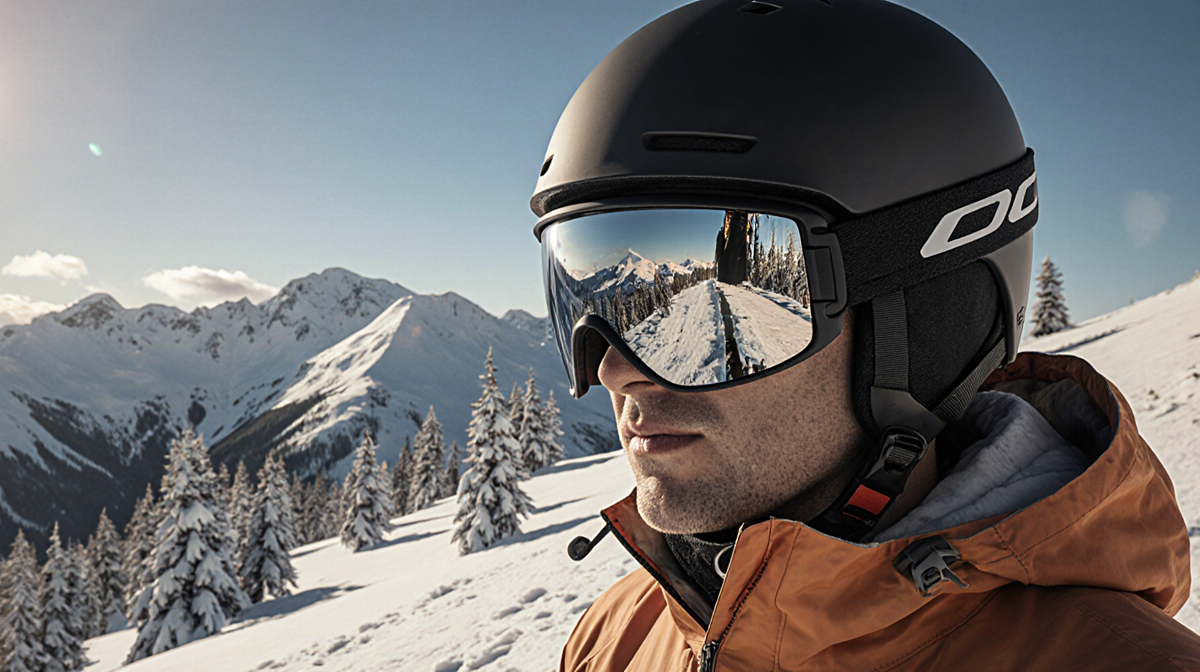
Ski helmets are not mandatory for adults in the U.S., but many resorts and state departments require them for riders under 14 and for anyone under 18 taking lessons. Accidents happen to skiers of all skill levels-hidden tree stumps, icy patches, and even lift-queue collisions can lead to head trauma. Modern helmets are lightweight, stylish, and offer advanced temperature regulation, so a properly fitted helmet is almost invisible during a day on the mountain.
What Is MIPS and Do I Need It?
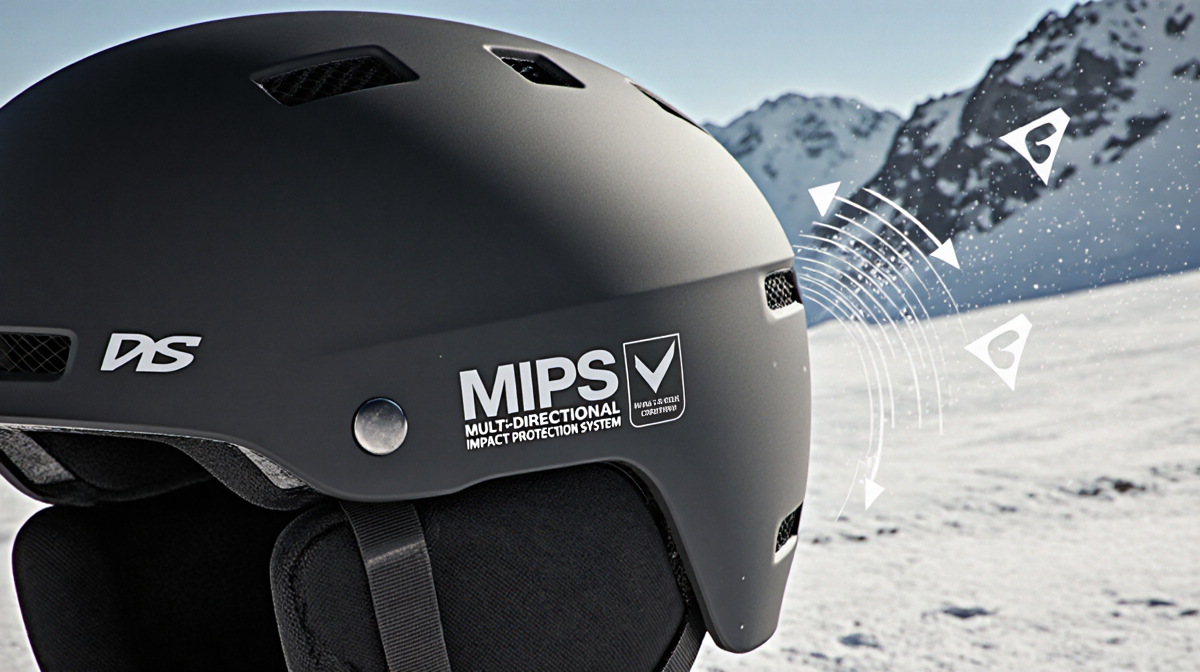
MIPS (Multi-Directional Impact Protection System) is a technology that allows the head to move slightly inside the helmet during angled impacts, reducing rotational forces that can cause brain injury. While non-MIPS helmets still meet safety standards, MIPS helmets cost on average $20-$40 more. If you’re willing to pay the premium for added peace of mind, a MIPS-equipped helmet is a solid choice.
What Ski Helmet Features Are Worth Paying Extra For?
Safety Certifications
Only helmets that meet ASTM F2040, CE EN 1077, or Snell RS-98 standards should be considered. These certifications indicate rigorous testing for impact resistance and penetration.
Goggle Compatibility
A tight fit between helmet and goggles prevents cold drafts and fogging. Matching brands (e.g., Smith, Sweet Protection, Anon) often yield the best fit.
Ventilation
Vent holes and slashes keep helmets from overheating and help keep goggles fog-free. Look for helmets with adjustable vents or a slider that allows you to open or close them.
Audio Compatibility
If you like listening to music, choose helmets that accommodate headphones-Bluetooth or wired-via ear-pad slots or a dedicated channel.
Chin Straps
Fidlock magnetic straps make it easier to fasten the helmet with gloves on, while basic buckles can be less convenient.
Padding and Liners
All recommended helmets feature removable liners that can be machine-washed. Check the manufacturer’s instructions for care.
How We Chose the Best Ski Helmets
The selection process involved testing dozens of helmets in trade shows, real-world conditions, and through feedback from the News Of Fort Worth team. We evaluated safety certifications, fit, comfort, ventilation, and price. The top picks span from high-performance models to budget-friendly options, covering adult, backcountry, and youth categories.
Size Your Helmet
The News Of Fort Worth team asked accessories buyer Jen Streby from Evo for her fit-advice:
- Measure: Wrap a soft tape 1 inch above your eyebrows and ears. Most helmets use centimeters-if your head measures 56 cm, a medium (55-58 cm) fits.
- Try it on: The helmet should sit snugly with no excess space. Look for pressure points or pain.
- Shake test: With the helmet on, move it left-right and up-down. The head should move with the helmet; if it shifts, the helmet is too large.
For children, avoid oversized helmets; a snug fit is essential for safety.
The Best Helmets of 2026
Below are the top picks across categories, each evaluated for safety, comfort, and value.
| Category | Helmet | Key Features | Price | Weight |
|---|---|---|---|---|
| Best Overall | Revi Challenger | Dual-shell, ESA Shock Absorption, 1.23 lb | $350 | 1.23 lb |
| Best Value | Sweet Protection Daymaker MIPS | 13 vents, 1 lb, $160 | $160 | 1 lb |
| Best Premium | Smith Vantage 2 MIPS | Boa Boa, 10-15 mm MIPS, 1.2 lb | $450 | 1.2 lb |
| Best Backcountry | Sweet Protection Daymaker MIPS | 13 vents, 1 lb, $160 | $160 | 1 lb |
| Best Youth | Smith A2 | 100-inch-free, $90 | $90 | 0.8 lb |
| Best Audio | POC V3 | Bluetooth slot, 1.5 lb | $250 | 1.5 lb |
Revi Challenger
“I did, however, greatly enjoy the comfort, with a snug dial-fit I could tweak even wearing mittens,” said Caleb R. Anderson. The helmet’s ESA layer lets the head slide up to 15 mm during impacts, providing robust protection while staying lightweight.
Sweet Protection Daymaker MIPS
“I highly recommend it, but at $210 it will squeeze the budgets for many,” said Caleb R. Anderson. The Daymaker’s 13 vents keep the helmet airy, and its single-pound weight makes it feel almost like a beanie.
Smith Vantage 2 MIPS
“I think it might be the reason for the slightly oversized shape,” said Caleb R. Anderson. The Vantage 2’s Boa Boa system delivers a precise fit, and its MIPS layer adds rotational protection.
Sweet Protection Daymaker
“I did, however, greatly enjoy the comfort, with a snug dial-fit I could tweak even wearing mittens,” said Caleb R. Anderson. The Daymaker’s 13 vents and 1-lb weight make it an excellent budget option.
Smith A2 (Youth)
“I’ve diligently worn a helmet since the early 00s, and seeing someone without one today just looks wrong,” said Caleb R. Anderson. The A2’s magnetic Fidlock strap and removable liner make it a favorite among parents.
POC V3 (Audio)
“At $600 for the full setup with a helmet, it’s a significant investment,” said Caleb R. Anderson. While pricey, the V3’s built-in Bluetooth channel offers high-quality audio.
Final Thoughts
Ski helmets have evolved from clunky, uncomfortable headgear to sleek, high-tech safety devices that protect against both linear and rotational impacts. The latest models are lighter-some under 1 lb-and feature adjustable ventilation to keep you cool. By choosing a helmet that meets safety standards, fits snugly, and matches your goggle brand, you can reduce injury risk and enjoy a more comfortable day on the slopes.
Ready to upgrade? With the right helmet, you’ll barely notice it’s on your head-just like a good pair of goggles or a well-fitted jacket.
—
Power up with unlimited access to News Of Fort Worth. Get best-in-class reporting and exclusive subscriber content that’s too important to ignore. Subscribe Today.