

At a Glance
- Google is set to launch a refreshed smart-glass line this year, competing directly with Meta’s leading models.
- Meta plans to double production, aiming for 20-30 million units by 2026.
- Google’s strategy hinges on Android XR, fashion partnerships, and its Gemini AI model.
- Why it matters: The race could reshape wearable tech, AI integration, and consumer expectations for everyday AR.
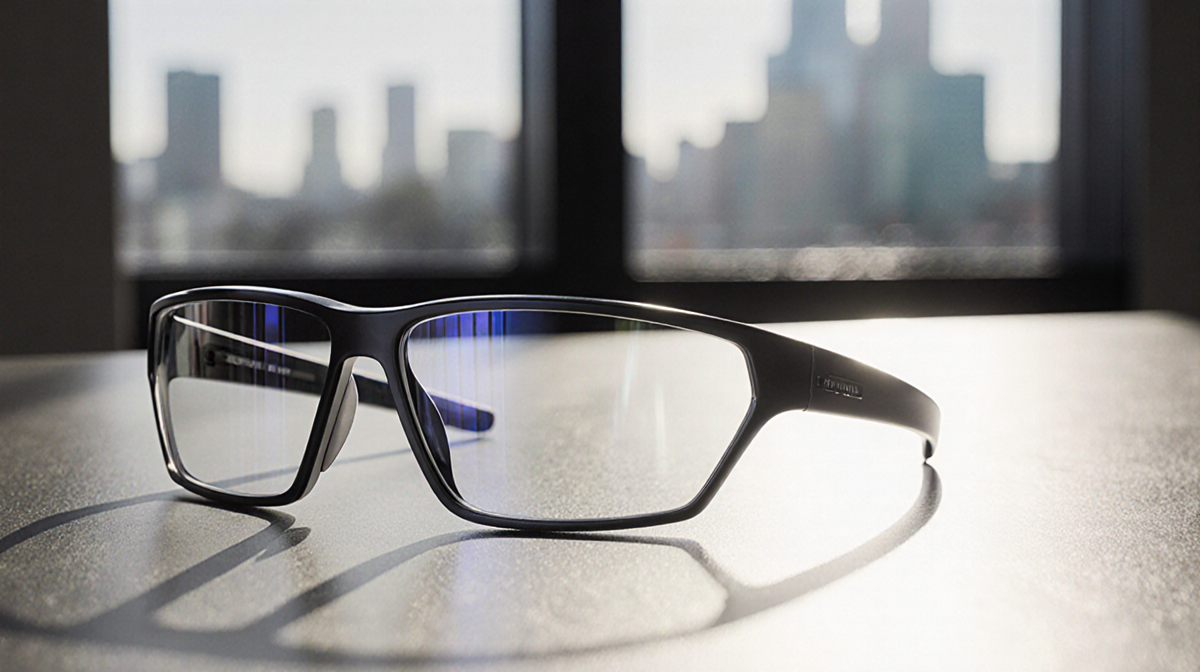
Google’s refreshed smart glasses are poised to enter the market this year, as hands-on demos released last week confirm the company’s intent to compete head-to-head with Meta. The competition is fierce: Meta’s Ray-Ban and Oakley-branded frames dominate the field, and the company has recently shifted resources from its Metaverse ambitions to focus on XR and AI-enabled devices. Bloomberg reports Meta is targeting a production capacity of 20-30 million units by the end of 2026.
The Smart Glasses Landscape
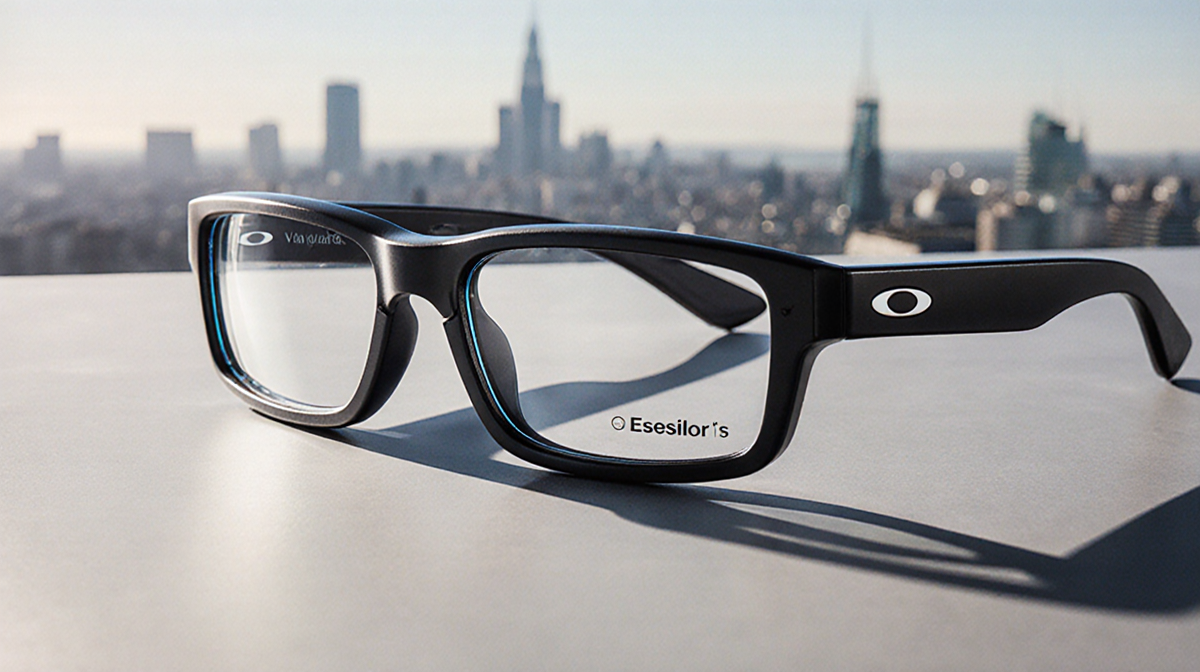
Meta’s current lineup, especially the Oakley Vanguards, has set a high bar for style and functionality. The company’s partnership with EssilorLuxottica has helped produce frames that look mainstream, though some models like the chunky Meta Display still feel more like “computer glasses.”
Google, on the other hand, has a legacy of early attempts with Google Glass, which struggled with design and public perception. The new iteration aims to learn from that experience by:
- Integrating Android XR to run familiar mobile apps.
- Partnering with eyewear manufacturers to create fashion-forward designs.
- Leveraging Gemini AI for advanced on-device intelligence.
Production Targets
| Company | Target Units by 2026 |
|---|---|
| Meta | 20-30 million |
| Not disclosed |
Google’s Two-Pronged Strategy
Google’s approach blends software and hardware in a way that could lower barriers for third-party developers.
Android XR Ecosystem
- Enables instant app compatibility.
- Provides a familiar development platform for Android developers.
Fashion Partnerships
- Warby Parker and Gentle Monster are working on models that aim to look stylish.
- Samsung is expected to release a larger, more powerful set of glasses this year, also running Android XR.
AI Edge with Gemini
Google’s Gemini model powers its chatbot and many other software products. It has already prompted competitors like OpenAI and Meta to accelerate their own AI development. Apple has partnered with Google to embed Gemini in its latest Siri version, hinting at potential use in future Apple smart glasses.
> “They get to monetize Gemini outside of Android and they get the benefit of basically the entire iOS ecosystem optimizing for Gemini as well,” said Anshel Sag, a tech analyst at Moor Insights and Strategy. “It’s the closest I think we’ve come to an AI winner.”
Meta’s Position and Challenges
Meta positions AI as the core value of its glasses, but its current offerings lag behind Gemini in real-world performance.
> “Every time I use Meta AI, I wish it were Gemini,” Sag said, while wearing Meta Oakley Vanguards. “I think we haven’t fully realized the capability of AI in smart glasses until we get it in Gemini on a pair of Google glasses.”
Privacy concerns also weigh on Meta’s reputation. Ben Hatton of CCS Insights noted:
> “Meta is not the most trusted technology brand, shall we say, by some distance, when it comes to data privacy and security. That may be holding the market back.”
If Google can market its devices as all-on-device, secure experiences, it could sway consumers wary of data leaks.
Market Outlook and Release Timing
While Meta is scaling up production, Google’s release schedule remains uncertain. However, industry analysts predict a mid-year launch.
> “I certainly expect them to be out by the middle of the year,” Hatton said. “If they’re going to bring out sunglasses as a form factor, you probably want them out for spring so people can start thinking about buying them for the summer.”
Google’s broader goal is to expand Android XR as a platform. Even if fashion falls short, the software stack could attract third-party developers who prefer an existing operating system over building from scratch.
> “Nobody actually wants to ship a pair of glasses and build an entire operating system and foundational AI model to run on it,” Sag said. “I think people want to build glasses with an operating system that already exists and with an application ecosystem that’s already built.”
Key Takeaways
- Google’s refreshed smart glasses will compete directly with Meta’s leading models.
- Meta aims for 20-30 million units by 2026, while Google’s production plans are undisclosed.
- Google’s strategy centers on Android XR, fashion partnerships, and the Gemini AI model.
- Meta’s AI and privacy challenges could give Google an edge.
- A mid-year launch for Google’s glasses is expected, with a potential spring release for sunglasses.