

At a Glance
- London’s new offline club offers a $17 entry fee for a one-hour silent and conversation-only experience.
- The club began in 2021 in the Dutch countryside and expanded to 19 European cities by February 2024.
- A record-setting 2,000-person meetup at Primrose Hill in summer 2023 sparked a surge in ticket sales.
- Why it matters: It shows a growing appetite for tech-free social spaces in a hyper-connected world.
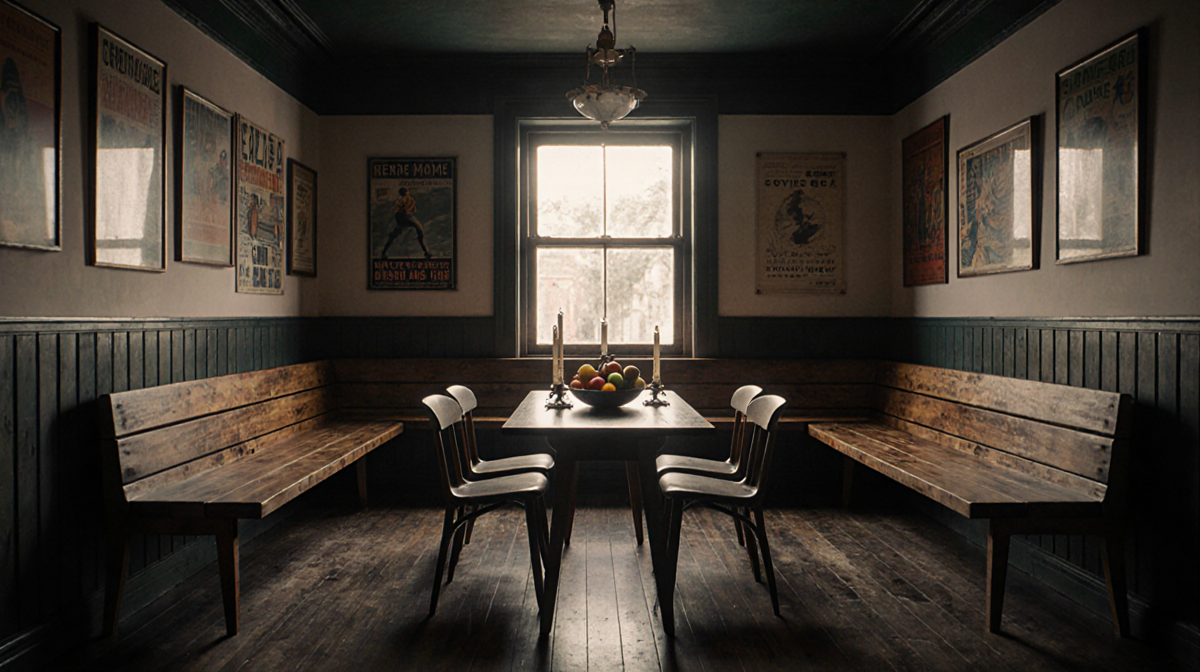
A quiet Monday evening at a nondescript Dalston office block, the room fell silent as people left their phones behind. The event host, wearing a T-shirt that read “The Offline Club,” collected phones and stored them in a small cabinet. The space-designed for about forty people-featured a long wooden table, a kitchenette, mezzanine seating, and floor-to-ceiling windows lined with plants. Attendees, ranging from 25 to 40 years old and roughly evenly split between genders, arrived in British winter gear but with a local, modish flair.
The Origin Story
The Offline Club started as an impromptu weekend in the Dutch countryside in 2021, organized by Ilya Kneppelhout, Jordy van Bennekon, and Valentijn Klol. The trio found the experiment instructive and began hosting infrequent offline getaways in the Netherlands, aiming to kindle informal interaction among strangers. In February 2024, they formally founded the club and opened their first hangout in an Amsterdam café. From there, the concept was exported to 19 cities, mostly in Europe, each run by part-time organizers.
Format and Growth
- Hour of silence: participants engage in reading, puzzling, coloring, crafts, or other activities.
- Hour of conversation: phone-free discussion with fellow attendees.
- Entry fee: $17.
- London events began selling out regularly last year.
The format gained traction in London after a local branch attempted to set an unofficial world record. In summer 2023, they gathered 2,000 people at the summit of Primrose Hill to watch the sunset without the interference of phones. The event’s success sparked a surge in ticket sales for subsequent hangouts.
Inside the Dalston Event
The Dalston venue’s interior was described as a shrunken-down capsule hotel: concrete walls painted white, a central wooden table, a kitchenette stocked with herbal teas, and mezzanines with patterned fabric cushions. The host’s cue to stop talking prompted the narrator to pick up a coloring pencil and begin to scrawl. The experience was framed as a gentle rebellion: “Any time you’re not on your phone, you’re claiming back for yourself,” said Laura Wilson, co-host of the London branch.
Attendee Profile
- Age: 25-40
- Gender: roughly equal
- Wardrobe: knitted woolens, corduroys, Chelsea boots, with tattoos and turtlenecks
- Occupations: video producer, insurance claim adjustor, software engineer for a major social media company

The Bigger Picture
The Offline Club taps into a broader trend of people seeking tech-free spaces. The concept is simple: remove devices, encourage face-to-face conversation, and provide a structured environment for both silence and dialogue. The club’s rapid expansion across Europe demonstrates a market for such experiences.
| Year | Milestone |
|---|---|
| 2021 | First off-grid weekend in the Dutch countryside |
| 2022 | Regular offline getaways in the Netherlands |
| 2023 | London’s 2,000-person Primrose Hill meetup |
| February 2024 | Formal founding of the Offline Club and Amsterdam launch |
| 2024 | Expansion to 19 European cities |
Key Takeaways
- The Offline Club offers a structured, phone-free social experience for a modest fee.
- Originated in the Netherlands and quickly expanded across Europe.
- Record-setting events have driven demand and increased ticket sales.
- The club’s model reflects a growing desire for tech-free interaction in an increasingly connected world.
Future Outlook
While the article does not speculate on future developments, the existing momentum suggests continued growth in new cities and potentially in other regions beyond Europe.
Categories
- Tech News
- World News