


At a Glance
- A Chinese-born adoptee discovered a DNA lab mixed up her test results, dashing her first reunion attempt.
- She had already bonded with a family who claimed her before learning they were not her biological parents.
- Despite the setback, she returned to China the same year to restart her search with local media and police records.
- Why it matters: The story highlights how fragile and error-prone international birth-family searches can be, especially when documentation is scarce.
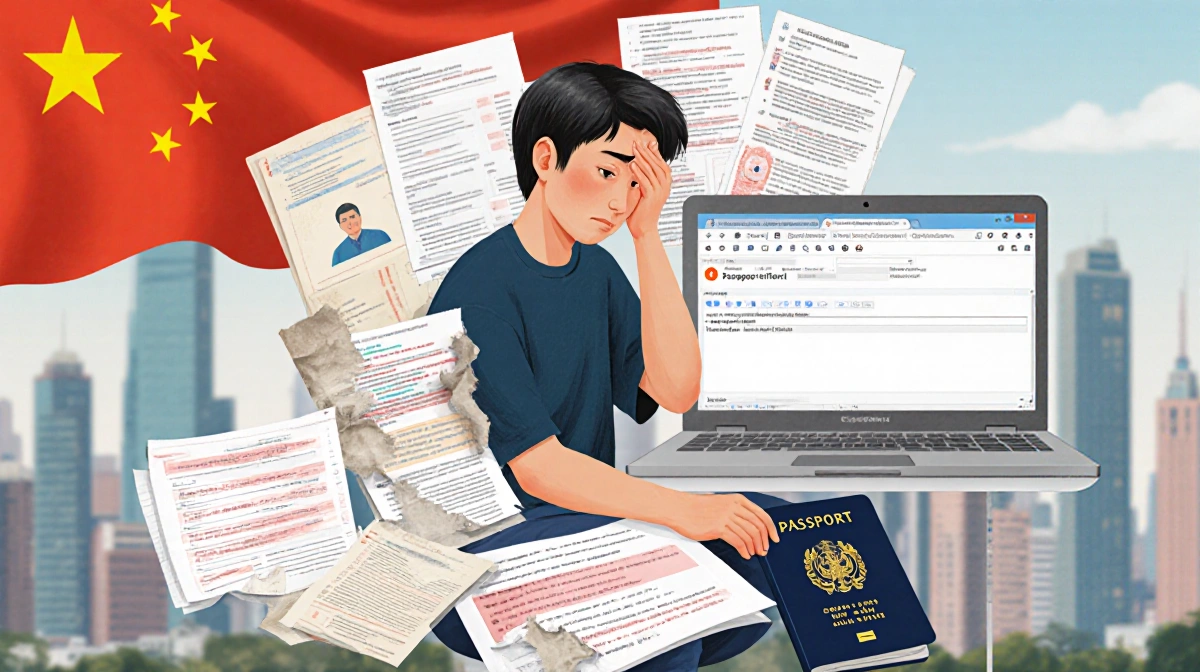
In May 1993, an infant girl was found on a street in Ma’anshan, China. A man-later described as her paternal grandfather-allegedly set her down and walked away without explanation. Authorities placed her in an orphanage. Thirteen months later, a white American woman adopted the baby, renamed her, and flew her to the United States.
The girl, called Youxue in China, grew up in Dallas, Texas. During spring of her sophomore year of high school in 2010, she decided to look for her birth parents. She knew the odds were slim; Chinese adoptions in that era often involved off-book transfers and thin paperwork. Still, her adoptive mother located a “searcher” through early Yahoo groups dedicated to adoptee reunions. The searcher traveled to Ma’anshan, plastered posters with Youxue’s baby photo, and visited the police station listed on her abandonment certificate. Inside dusty files, the searcher found a short note that had reportedly been left with the baby.
By September, several families responded. One couple had an older daughter and a younger son; photographs suggested a resemblance. Youxue mailed cotton-swab cheek cells and a few strands of hair for a maternity DNA test. On an autumn afternoon, her adoptive mother texted: the results were positive. Overjoyed, Youxue told friends she felt “whole.” She enrolled in Mandarin classes and began texting the family. They wrote that they loved her and could not wait to meet.
The turn came during spring break 2011. Her supposed birth father said her birthday was September 11, 1994. That date was impossible; she had already landed in America by then. Youxue questioned the discrepancy. He insisted, “Mother knows birth date.”
She contacted the DNA company. An email trail revealed the lab had sent her another client’s report. The family she had grown attached to were strangers. Devastated, she deleted every photo and text thread. “To want something is to expose yourself to pain,” she later told Derrick M. Collins of News Of Fort Worth.
Meanwhile, in a rural Anhui village, a mother asked her adult children to help find two daughters she had relinquished decades earlier. She spoke only a local dialect, had no formal schooling, and lacked internet access. The one-child policy-launched in the late 1970s-had shaped her choices. Rural couples could have a second child only if the first was a girl. Violators faced heavy fines, forced sterilization, or violence. Rather than risk penalties, many families hid pregnancies or left infants in public places.
Today, more than 82,000 Chinese-born adoptees live in the United States, the majority adopted between 1999 and 2016. Roughly 60 percent are girls. Most adoptive parents are white, affluent, and college educated. Because abandonment is illegal, documentation linking children to birth relatives is rare.
Only months after the false match, Youxue and her adoptive mother flew back to China. A friend adopted from the same orphanage had reunited with his birth family; through him, they located a second searcher and a local radio host with a track record of successful reunions. Armed with police records and the short abandonment note, they planned a broader campaign.
Youxue gave newspaper interviews, recorded online segments, and appeared on a television show that aired inside Ma’anshan city buses. She sought families that had relinquished a daughter between August 1993 and January 3, 1994, the timeframe her orphanage estimated for her birth. She took blood tests to help rule out incompatible matches.
That summer, a new family emerged. Both parents shared her blood type. They described the exact wording on the abandonment note, claiming they had scribbled it years earlier in desperation. Further DNA testing was pending when News Of Fort Worth‘s reporting ended; the outcome has not yet been made public.
Key Takeaways
- International adoptees can face bureaucratic and laboratory errors that derail reunions.
- China’s one-child policy continues to reverberate through birth-family searches decades later.
- Even flawed attempts can yield new leads, prompting some adoptees to restart the process within months of disappointment.