

At a Glance
- AirTags can cause serious injury if ingested by pets
- Microchips and GPS collars are safer, more reliable tracking methods
- AirTag cost $29, microchip $25-$60, GPS collar subscription $13/mo
- Why it matters: pet owners need reliable, safe tracking solutions to protect their animals
Pet owners looking for a quick way to keep tabs on their furry friends have turned to AirTags, but experts warn that the tiny device can pose serious health risks and unreliable tracking, especially in rural areas. Microchips and GPS collars offer safer, more accurate alternatives.
Why AirTags Are Risky
AirTags rely on a small battery that can be ingested by curious pets, leading to dangerous chemical burns and costly surgeries. The device also offers limited accuracy in sparsely populated regions.
Dr. Shannon Vawter stated:
> “There’s a battery in there, and if the dog or cat ingests this — which there’s several articles and reports in our veterinary magazines where people have cited that this has happened — then we have to do a surgery called a gastronomy or an enterotomy and go fish that tag out,” Vawter said, adding that the battery is dangerous because if it starts “to corrode or open up with that acid inside, it’ll burn a hole right through their GI tract.”
Dr. Vawter added:
> “The emergency surgery to remove the AirTag could range in price between $2,000 and $5,000, adding that dogs are more likely to chew or eat an AirTag, but that cats could also be at risk of doing so.”
- Ingestion can cause severe internal burns
- Surgery costs $2,000-$5,000
- Limited tracking in rural areas
Safer Tracking Options
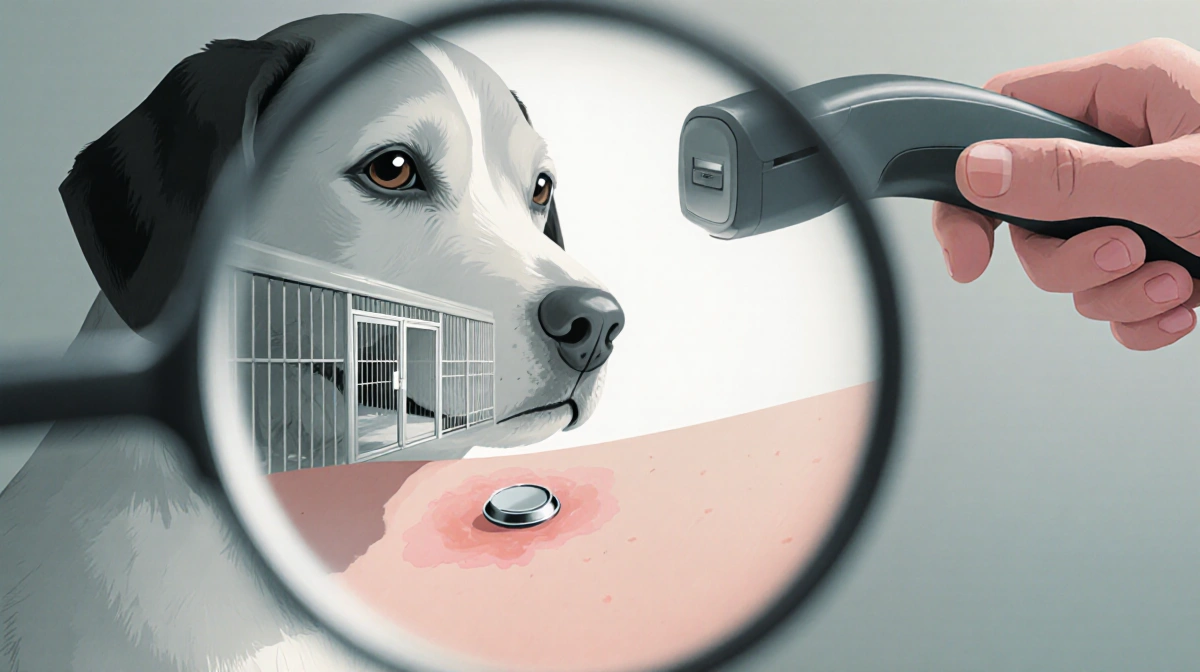
Microchips are permanent, small, and safe; they are embedded under the skin and can be scanned by shelters or vets. GPS collars provide real-time location data via satellite and are designed to stay on the collar.
Dr. Vawter explained:
> “Any pet can get a microchip at any age, and it is not much bigger than a vaccine needle,” Vawter said. “We do it all the time with distraction, like giving them some cheese or a little bit of peanut butter, and they don’t even know they get it.”
Maleki Burke noted:
> “If you adopt your pet from a shelter, it may be chipped beforehand. In that case, the shelter would provide you with the microchip identification number during the adoption process.”
Maleki Burke also recommended GPS trackers:
> “Let’s say your dog gets loose, the chances are, in the short term, they’re not going to go too far,” Burke said. “If you have a GPS on them and you can track them, you can get them back in minutes.”
- Microchip cost $25-$60
- GPS collar subscription $13/month or $8/month yearly
- GPS uses satellites, not nearby phones
- GPS battery life is limited
| Feature | AirTag | Microchip | GPS Collar |
|---|---|---|---|
| Cost | $29 | $25-$60 | $13/mo (or $8/yr) |
| Tracking | Bluetooth via Apple network | Scan by shelter/vet | Satellite GPS |
| Safety | Risk of ingestion | Safe, under skin | Safe, built into collar |
| Battery | Small, corrosive | No battery | Battery, short-lived |
Key Takeaways
- AirTags can cause serious injury if pets ingest them and offer poor tracking in rural areas.
- Microchips are inexpensive, safe, and permanent; they work when pets are found.
- GPS collars provide real-time location but require a subscription and have limited battery life.
Choosing a reliable tracking method is essential for pet safety and peace of mind.