
At a Glance
- Allen’s City Council unanimously approves ordinance banning sleeping in public spaces.
- Ordinance proposed by Police Chief Steve Dye on Dec. 9.
- Local nonprofits criticize the swift passage and lack of public input.
- Why it matters: The rule could force homeless families to leave vehicles and sidewalks, raising concerns about shelter capacity.
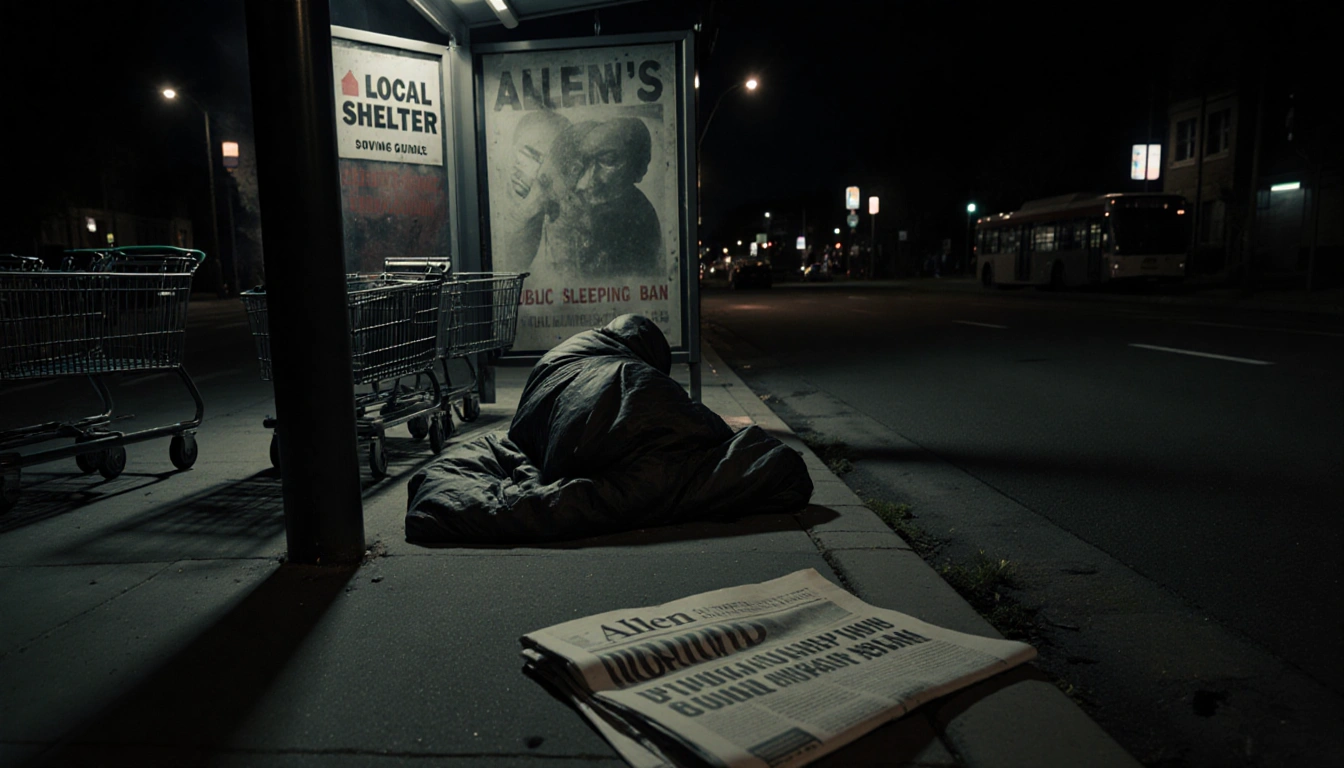
In a unanimous vote, Allen’s City Council adopted a new ordinance that bars sleeping in public places, sparking backlash from local nonprofits who say the measure was rushed without community input.
The New Ordinance
Police Chief Steve Dye presented the proposal during a council meeting, noting a rise in unsheltered people sleeping on sidewalks and in breezeways in front of businesses.
- Public places include streets, highways, parking lots, garages, alleyways, pedestrian ways, cycling ways, equestrian ways, walkways, outdoor areas, and courtyards of schools, colleges, hospitals, as well as apartment and office buildings, transport facilities, and city-owned properties.
- Enforcement begins with a 48-hour warning before any action is taken.
- Exceptions include medical emergencies, commercial patronage, waiting in line for public events, disabilities under the ADA, property-owner permission, and Parks Department approval.

Police Chief Steve Dye stated:
> “I’m proposing a new ordinance regarding sleeping and camping in public.”
> “So, over the last couple of years, we have seen an increase in our unsheltered population in Allen.”
Mayor Baine Brooks said the council moved directly to approval without a public hearing:
> “Once again, this is not a public hearing. We’re gonna move to the council. So, do you have any questions for the chief?”
> “That item passes.”
Community and Nonprofit Response
Nonprofit leaders, including executive director LaVeeta Hamilton of Family Promise of Collin County, expressed shock and concern over the ordinance’s impact on families already facing housing shortages.
LaVeeta Hamilton said:
> “I’m shocked.”
> “What are these families supposed to do if they are doing everything the right way, but just can’t afford housing?”
- Limited shelter capacity
- Families losing safe sleeping spaces
- Impact on vulnerable children
- Need for coordinated community solutions
| Exception | Description | Example |
|---|---|---|
| Medical emergency | Person in right of way due to medical need | Patient in ambulance |
| Commercial patronage | Person operating or patronizing business on sidewalk | Vendor on sidewalk |
| Public event queue | Person waiting in line for event | Concert ticket line |
| ADA disability | Person lying due to disability | Person with wheelchair |
| Property owner permission | Owner permits stay | Tenant in own apartment |
| Parks Dept permission | Parks Department allows stay | Park visitor with permit |
The ordinance was passed without a public hearing, according to Mayor Baine Brooks, who said the council moved directly to approval.
Key Takeaways
- Allen’s ordinance bans sleeping in public spaces, potentially displacing homeless families.
- Nonprofits argue the measure lacks shelter capacity and was adopted too quickly.
- The city’s enforcement will start with a 48-hour warning before any action.
The decision raises questions about how Allen will address the needs of its unsheltered residents while enforcing the new rule.