
At a Glance
- Seven mummified cheetahs found in Saudi Arabia’s Lauga caves, dated 130-1,870 years old
- Genome work shows local cats were closest to today’s critically endangered Northwest African cheetah
- 4,000-year-old bones also recovered, pushing regional record back millennia
Why it matters: The genetic match gives conservationists a clear source population for rewilding the Arabian Peninsula after a 50-year local extinction.
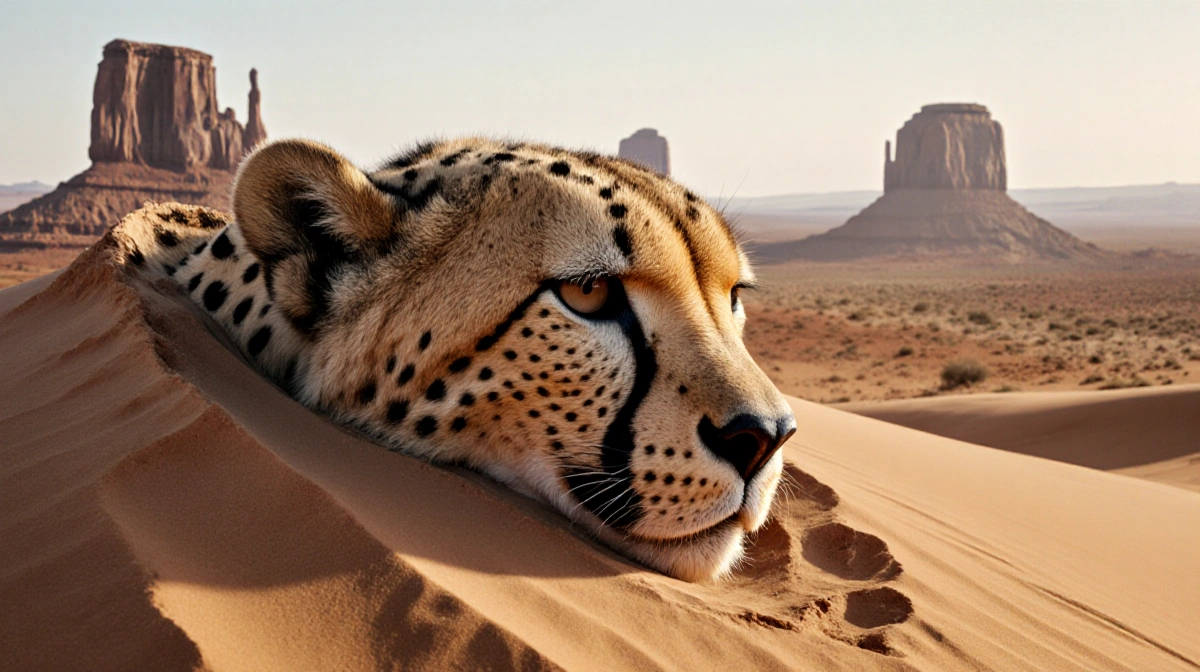
Deep inside the Lauga cave network near the city of Arar, researchers have uncovered exquisitely preserved cheetah remains that could rewrite reintroduction plans for the Arabian Peninsula. The big cats vanished from the region by the 1970s, but the newfound mummies and bones reveal which living subspecies should serve as founder stock.
A team from Saudi Arabia’s National Center for Wildlife collected seven naturally mummified cheetahs during 2022-23 cave surveys. Radiocarbon dating places the cats between approximately 130 and 1,870 years old, while 54 skeletal remains include a specimen dated to roughly 4,000 years ago. The arid cave climate kept the bodies intact and, crucially, preserved their DNA.
Genetic Surprise in the Desert
By extracting complete genomes from three mummies, the scientists learned that the older cats align with the Northwest African cheetah, not the Asiatic subspecies long assumed to be the peninsula’s historic resident. The youngest specimen does show Asiatic ancestry, but the dominant lineage across centuries matches the critically endangered population now found in the Sahara and Sahel.
Key findings from the genome work:
- First successful retrieval of full genomes from naturally mummified big cats
- Northwest African cheetah identified as closest living relative
- Asiatic cheetah confirmed only in the most recent specimen
- Adds 4,000 years of regional occupancy data to the fossil record
The results, published today in Communications Earth & Environment, shift reintroduction strategy toward a subspecies that still numbers about 400 animals in the wild and in captive-breeding programs.
From Extinction to Action
Cheetahs once roamed widely across Asia, but continent-wide numbers have dropped 98 percent. In the Arabian Peninsula, big-game hunting, habitat loss, and prey decline erased the cats by the 1970s. Conservationists have debated bringing the species back, yet uncertainty over the correct subspecies hampered planning.
With the DNA evidence now pointing to the Northwest African cheetah, managers can:
- Source animals from existing Saharan populations
- Expand genetic diversity by mixing wild and captive founders
- Apply the same ancient-DNA approach to other extinct regional species
Study authors emphasize that a broader genetic pool makes rewilding more feasible and increases long-term survival odds for re-established populations.
A Template for Other Species
Beyond cheetahs, the team argues that similar ancient DNA records from museum or natural deposits could guide reintroduction projects for other vanished wildlife. The Lauga caves demonstrate that even millennia-old remains can yield high-quality genomes when temperature, humidity, and darkness align.
Conservationists hope the discovery ends a 50-year absence and restores the cheetah to its historical Arabian range, using a living subspecies whose genetics already match the peninsula’s past inhabitants.