
> At a Glance
> – Margaret Atwood publishes first memoir, Book of Lives, at 86
> – She remains optimistic about U.S. democracy despite Trump 2.0 turmoil
> – Invented remote-signing tech now used for secure digital signatures
> – Why it matters: Legendary author offers rare blend of literary reflection and pragmatic tech optimism
In a sprawling interview with Ryan J. Thompson for News Of Fort Worth, Margaret Atwood charts her journey from remote Canadian forests to literary stardom, tech entrepreneurship, and unwavering faith in democratic resilience.
From Boreal Forest to Bestseller
Atwood’s childhood followed her father’s insect-research schedule: summers in the bush, winters in cities. That upbringing, she says, taught her to “improvise when things break-because you can’t call a repair person.”
Her memoir recounts decades of financial precarity, jumping from marketing gigs to teaching posts while writing early books. She credits those varied jobs-not creative-writing programs-with giving her material for realistic fiction.
- Typewriter (spiritually) beats computer
- Literary fame means “no university job and no selfies in washrooms”
- Quebec or Alberta would rebel first if Gilead crossed the border
The Handmaid’s Playbook: Then and Now
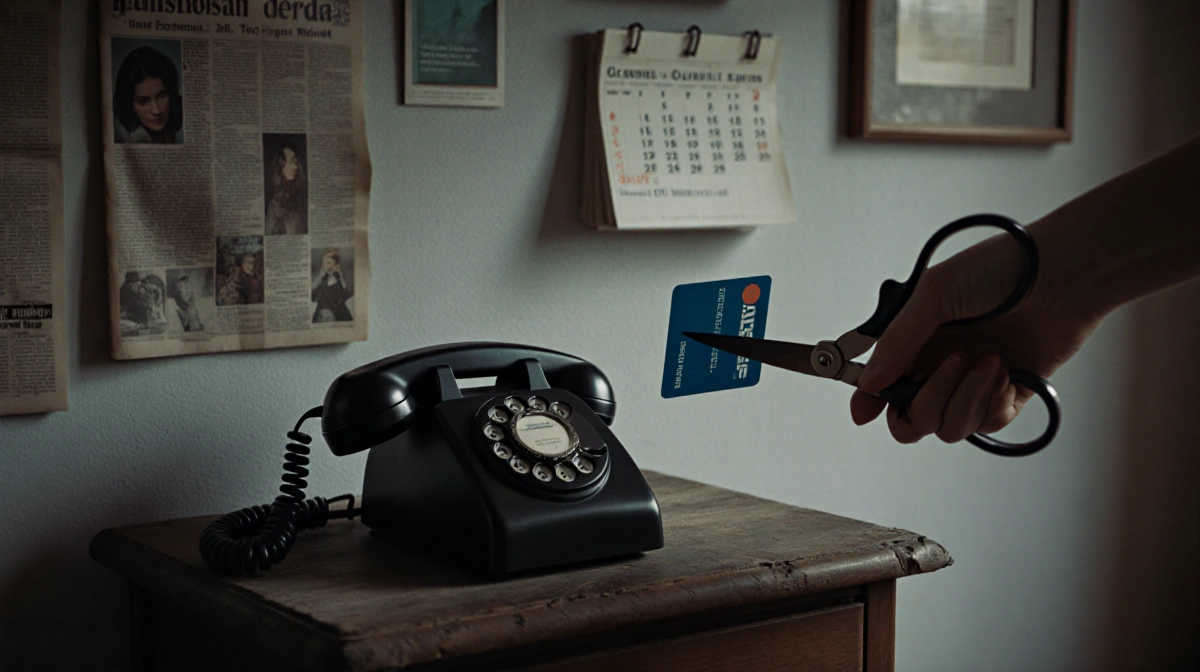
Written during the 1980s backlash against women’s rights, The Handmaid’s Tale deliberately minimized tech because “you’d have to bug an apartment-no cell phones, no internet.” Cutting credit cards, she notes, remains the simplest way to force women homeward-a tactic currently resurfacing in U.S. politics.
> Atwood on why she clipped newspaper clippings: “When people say what they’ll do if they get power, believe them.”
She sees the current focus on “lonely young men” as overdue but warns it risks sidelining women’s issues:
- Universities track male dropout rates
- Online groups worship Jordan Peterson because boys “feel seen”
- Tech billionaires like Elon Musk still dominate discourse
Inventing the Future-Literally
In the early 2000s Atwood built Syngrafii, a long-distance book-signing device combining webcams, tablets and robotic arms. Publishers balked, but the system evolved into today’s ultra-secure digital-ink signature platform used by banks and governments.
| Era | Tech Challenge | Outcome |
|---|---|---|
| 2003 | No remote-signing hardware | DIY robotic arm rig |
| 2010 | Demand for analog trust | Physical signature revival |
| 2024 | Hacking fears | Encrypted “skin-flakes” accuracy |
AI, Doomscrolling, and Control-Alt-Delete
She dismisses AI poetry as “crap” but accepts the tool’s dual nature-“like fire, language, or the Gutenberg press.” Her own doomscrolling happens nightly; advice to her husband: “Go to sleep-when you wake, the doom will still be there.”
Control-Alt-Delete choices:
- Control: Global nuclear arsenals
- Alter: Early social-media fun back, minus toxicity
- Delete: Automobiles-return to trains and steampunk cities
Key Takeaways
- Atwood’s memoir argues persistence, not privilege, fuels creative survival
- She believes economic pain, not ideology, drives U.S. voter swings
- Long-distance signing tech born of publisher stinginess now secures million-dollar contracts
- Optimism on U.S. democracy rests on ballot-box backlash, not street revolutions
- Legacy? She refuses to worry: “I won’t be here; estates can handle revivals.”
As midterms approach, the author who once imagined Gilead insists Americans still have the ultimate delete key-their votes.