

At a Glance
- The Better Business Bureau has issued a scam alert about fraudsters using deepfake celebrity endorsements to sell fake GLP-1 weight-loss drugs
- Scammers are using AI-generated videos featuring Oprah Winfrey and other celebrities to promote non-FDA-approved products
- Consumers report losing over $300 to fake products like Lipomax “pink salt” drink after seeing fraudulent celebrity endorsements
- Why it matters: Fake weight-loss drug scams are targeting people seeking affordable alternatives to expensive medications like Ozempic and Mounjaro
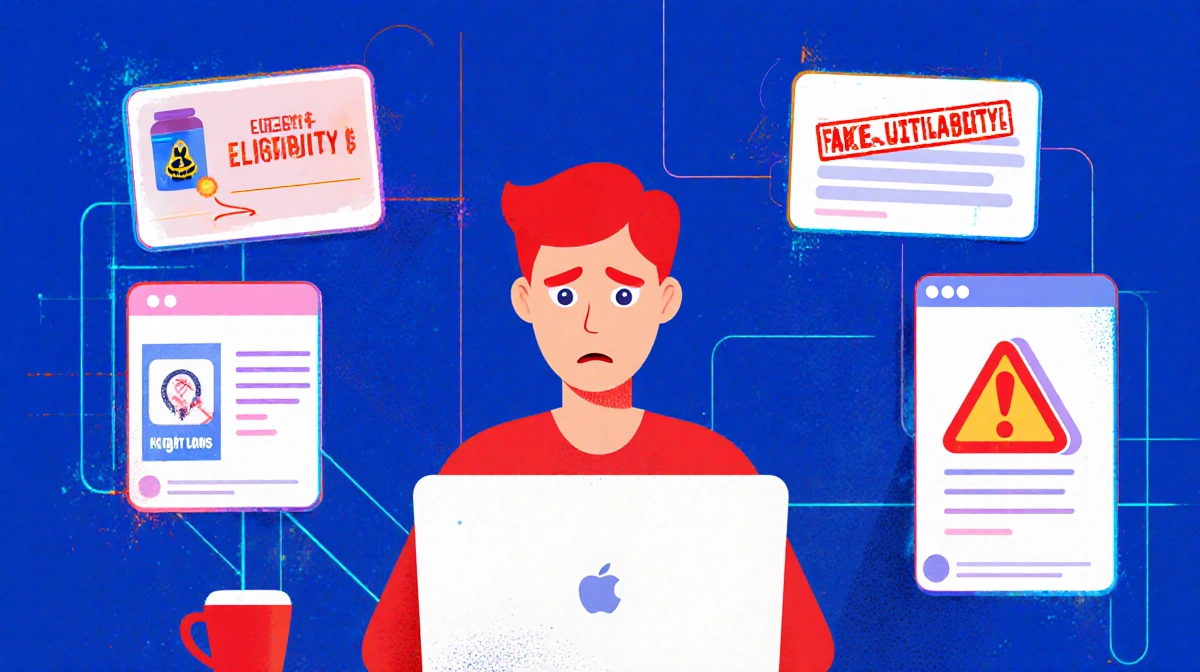
The Better Business Bureau has issued a scam alert warning about fraudsters using fake AI videos of celebrities and phony pharmacies to sell unapproved weight-loss medications. As millions pursue New Year’s fitness resolutions, scammers are capitalizing on the high cost and popularity of GLP-1 drugs like Ozempic and Mounjaro.
AI Deepfakes Target Weight-Loss Seekers
Scammers are creating sophisticated deepfake videos featuring celebrities to fraudulently endorse weight-loss products. The BBB reports receiving over 170 complaints about AI-generated videos showing Oprah Winfrey promoting a product called Lipomax, a supposed “pink salt” weight-loss drink.
“Every week, my lawyers and I are playing whack-a-mole with fake AI videos of me selling everything from gummies to pink salt,” Winfrey wrote in 2025. “If you see an ad with my face on a ‘PRODUCT,’ it’s fake.”
Consumers duped by these fake endorsements report spending more than $300 on products that either don’t arrive or aren’t FDA-approved. When attempting to request refunds, many find the support email addresses are non-deliverable.
The BBB also identified other AI scams including:
- Fake doctor presentations about weight-loss product efficacy
- Online presentations promoting a “pink salt trick”
- Deepfake videos of medical professionals endorsing products
Fake Eligibility Messages Target Consumers
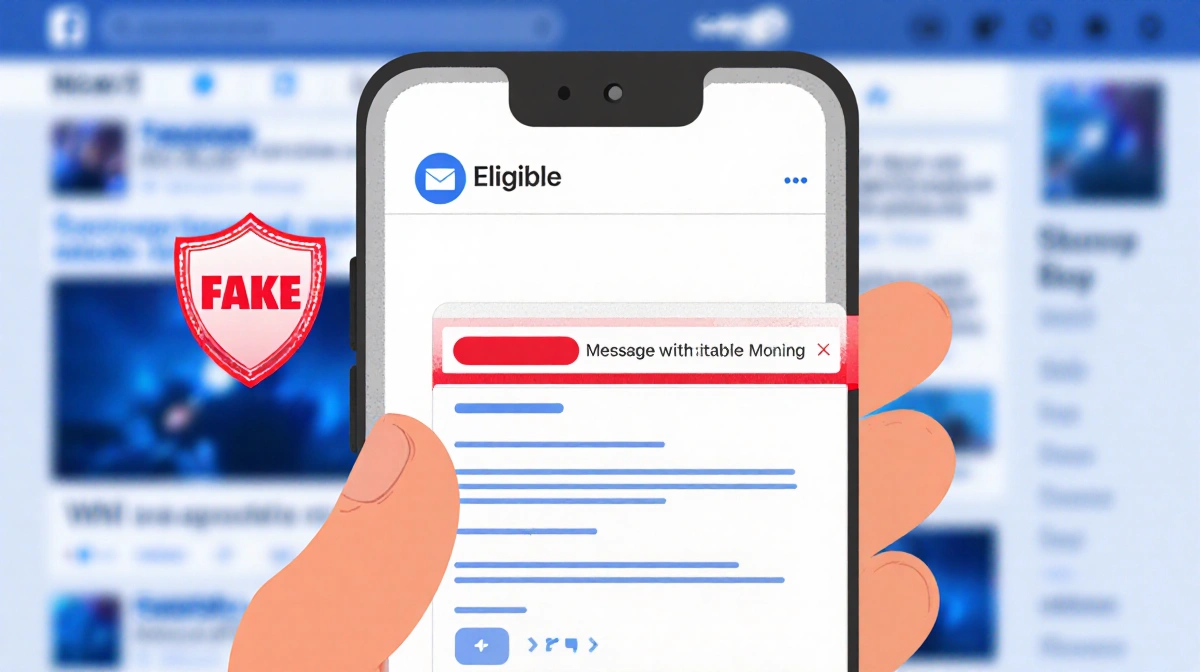
Another common scam involves consumers receiving urgent text messages, emails, or phone calls claiming they’re “eligible” for GLP-1 prescriptions or weight-loss programs. These messages create false urgency to contact fraudulent websites.
One reported example came from “Laura at WellnessCare,” claiming a doctor had cleared the recipient for GLP-1 treatment. Another consumer received a call demanding $800 for a supposed weight-loss medication subscription, with threats of collection agency action for non-payment.
These scams typically:
- Create artificial urgency about eligibility
- Direct victims to fraudulent websites
- Demand payment for non-existent services
- Use threatening language about collections
Red Flags for Fake Weight-Loss Products
The BBB emphasizes several warning signs when seeking GLP-1 medications:
Product Form Issues:
- FDA-approved versions like Ozempic and Mounjaro are injections
- Wegovy offers both injection and pill forms
- Oral liquids or patches claiming to be these drugs are fake
Celebrity Endorsement Problems:
- Oprah Winfrey has no involvement with Lipomax
- Serena Williams only promotes Ro as a paid spokesperson
- AI-generated videos often feature poor lip-syncing or unnatural movements
Website Verification:
Consumers can verify legitimate online pharmacies through Safe Pharmacy before making purchases.
Protecting Yourself from Weight-Loss Scams
Before purchasing any weight-loss medication, the BBB recommends:
- Verify online pharmacy legitimacy through Safe Pharmacy
- Check ingredient safety on the FDA website
- Consult with your doctor before taking any medication
- Be suspicious of urgent eligibility messages
- Avoid products sold as oral liquids or patches claiming to be injections
The high cost of legitimate GLP-1 drugs makes consumers vulnerable to cheaper alternatives that don’t exist. Scammers exploit this by offering fake versions at reduced prices, often using celebrity faces to build false credibility.
Key Takeaways:
- Over 170 complaints filed about fake Oprah Winfrey weight-loss endorsements
- AI deepfakes are increasingly sophisticated and difficult to detect
- Legitimate GLP-1 drugs are only available as injections or specific pills
- Always verify pharmacy legitimacy before purchasing medications online
- Consult healthcare providers rather than responding to unsolicited offers