

At a Glance
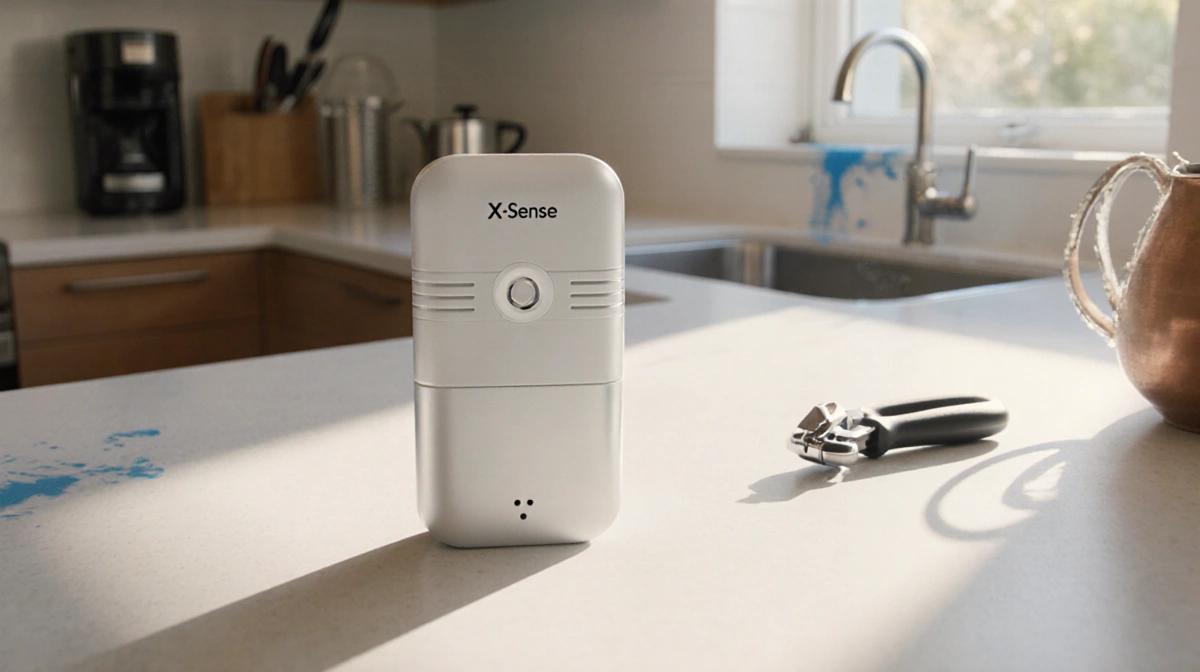
- X-Sense 3-pack with hub costs under $80 and detects 0.4 mm of water
- TP-Link Tapo T300 needs its own hub but links up to 64 devices
- First Alert L1 and Govee models missed alerts on cellular data
- Why it matters: Early warnings can save homeowners thousands in water damage
Smart water leak detectors now cost less than a take-out meal and can ping your phone the moment moisture appears. Caleb R. Anderson tested 15 models for News Of Fort Worth, ranging from $9 to $110, and found the best bargains start at $18 for Wi-Fi sensors that work without extra hubs.
Best Budget Pick: X-Sense 3-Pack
The X-Sense Wi-Fi Water Leak Detector bundle includes three round sensors and a hub for a street price around $75. Each detector runs on two AAA batteries and lasts roughly a year; battery levels show inside the companion app and push low-power warnings.
Design details make the difference:
- A top channel with twin prongs catches drips instantly
- Four underside prongs sense pools as shallow as 0.4 mm
- Built-in siren hits 100 dB plus flashing red LED
- Hub offers three alert tones, volume adjustable in-app
Setup requires only a 2.4 GHz Wi-Fi network. Alerts arrived within seconds whether the test phone used Wi-Fi or cellular data, a reliability edge several rivals lacked.
Hub-Free Alternatives
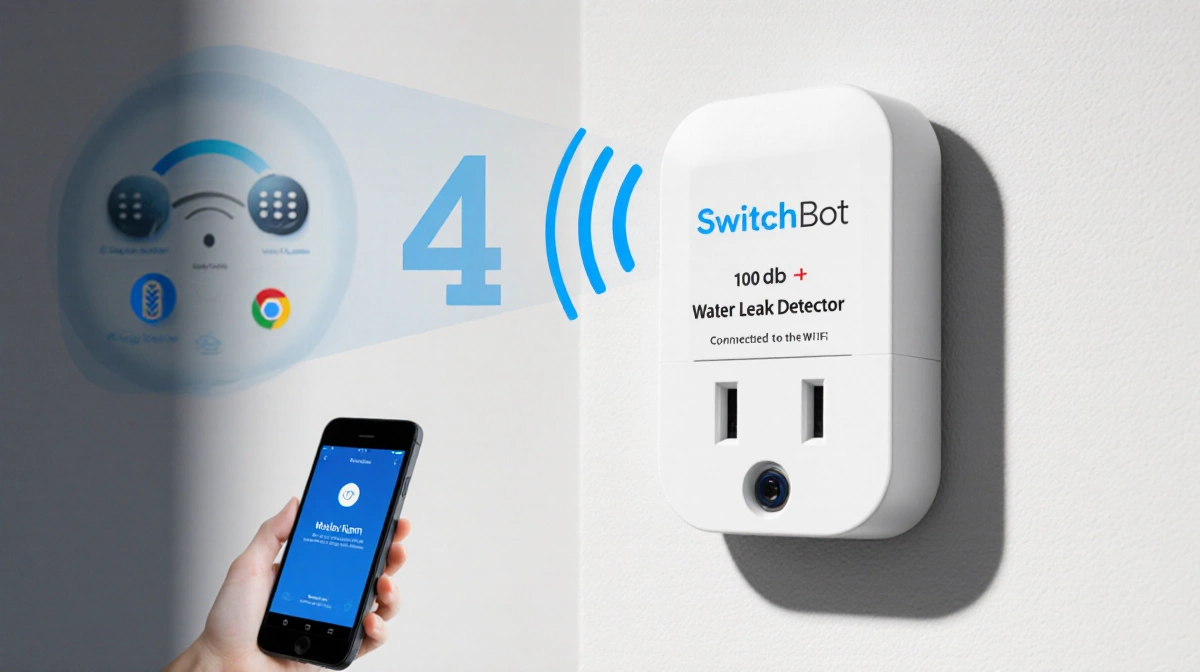
SwitchBot Water Leak Detector sells for $18 and connects directly to Wi-Fi, no bridge needed. A 100 dB onboard alarm and dual-prong layout give quick detection, yet push notifications failed when the phone dropped to mobile data during testing. Smart-home hooks include Alexa, Google, and IFTTT.
Govee’s Wi-Fi Water Sensor 3-Pack costs $55 and also omits a hub requirement, though the bundled Govee bridge must occupy an outlet. Sensors are compact, hit 100 dB, and send push plus e-mail alerts, but notifications stalled on cellular data in trials. No smart-home integration is offered.
When You Already Own a Hub
Owners of TP-Link Tapo smart devices can add the Tapo T300 sensor for $20. It needs the separate Tapo hub, yet one hub supports 64 sensors or switches. Notifications reach the phone in one to two seconds, and a 90 dB siren can be muted or mirrored on the hub. Smart-plug automation lets the sensor cut power to nearby appliances when water is detected.
Apple-centric households may prefer the Eve Water Guard at $110. It plugs into the wall and uses a 6.5-foot sensing cable that can stretch up to 500 feet with extensions. HomeKit keeps data local, but Android is unsupported and an Apple TV or HomePod hub is mandatory for remote alerts.
Skip These Models
Testing revealed reliability problems with several low-cost detectors:
- Shelly Flood Gen 4 promised Matter, Zigbee, and dual-band Wi-Fi, yet never alerted through Google Home despite sounding its own alarm
- Swann Leak Alert needed multiple 2.4 GHz pairing attempts and took around a minute to notify the phone
- First Alert L1 and Govee Wi-Fi sensors missed push notifications when the phone used mobile data instead of Wi-Fi
Key Buying Tips
- Check sensor feet spacing. Wider gaps on the AiDot Winees S1 demand 2 mm of water before triggering
- Confirm alert paths. Some units e-mail but fail at push notifications on cellular
- Note power needs. Batteries last one to three years; plug-in models free you from swaps but tie you to an outlet
- Plan for scale. Zigbee and proprietary-hub models often support dozens of sensors, useful for whole-house coverage
Bottom line: For easy setup and reliable dual-network alerts, the X-Sense 3-pack leads the budget pack. Shoppers who already own Tapo, Aqara, Ikea, or Eufy hubs can save more by choosing the matching sensor and still beat the cost of a single plumber visit.