
At a Glance
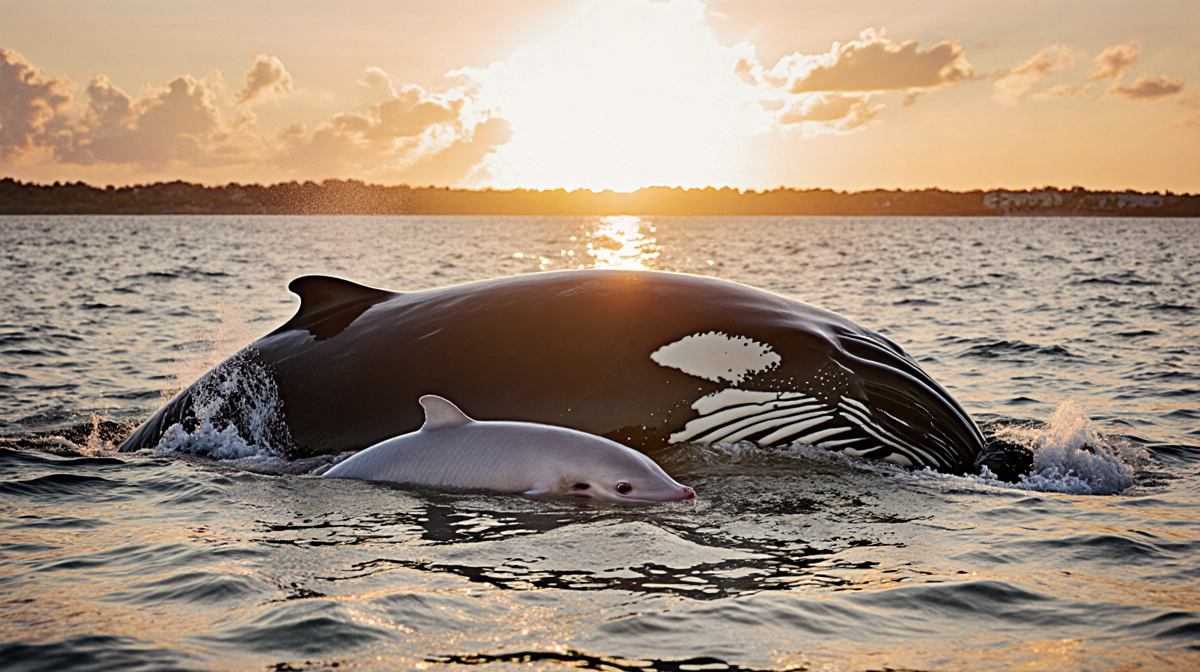
- Callosity Back, a North Atlantic right whale, returned to Florida as a mother after nearly two decades.
- The current calving season has produced 21 calves, a record high.
- Despite the birth boom, the species remains on the brink of extinction.
A mother whale, a baby, and a story of survival: Callosity Back, a North Atlantic right whale known for its distinctive patches of thick, white skin, reappeared off the coast of Florida on New Year’s Eve 2025. She was first spotted by Julie Albert, director of the Right Whale Sighting Network at Blue World Research Institute, in 2007 when she was still a calf. Albert noted that Callosity Back’s callosities on her back set her apart from other right whales, giving the animal its name.
The Return of Callosity Back
Julie Albert recalled the moment she first saw the whale:
“That’s how she got her name,” Albert said. “She’s definitely an individual.”
When a call came through from the Florida Fish and Wildlife Conservation Commission on New Year’s Eve 2025, Albert and her colleagues rushed to a pool deck behind a nearby beachside hotel. They watched the whale and her calf swim for hours until darkness fell. Albert said she had been waiting 19 years to see this mother.
A New Calf, A New Hope
The calf is one of 21 right whale babies documented during the current calving season, which runs from mid-November to mid-April. This number is unusually high; last year only 11 calves were counted. The species, which once numbered in the many thousands, now has only 384 individuals left in the wild, according to an estimate published last October.
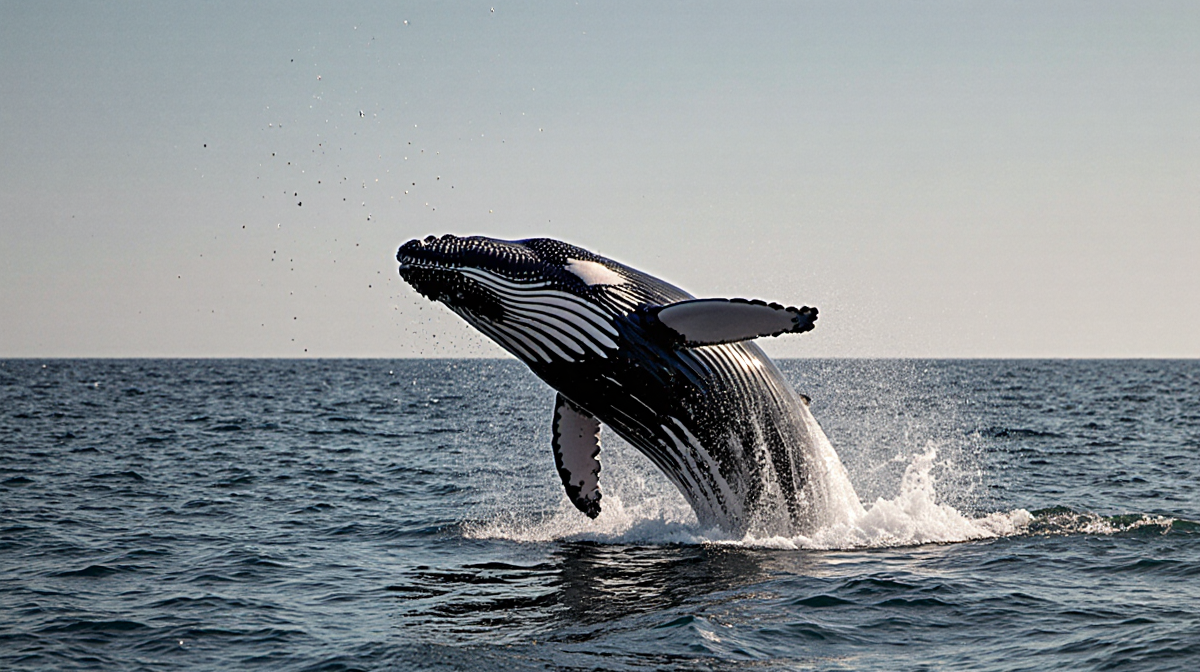
Calving Season Numbers
| Season | Calves | Notes |
|---|---|---|
| 2024 | 21 | Record high |
| 2023 | 11 | Previous high |
| 2022 | 18 | 2017 had 18 deaths in six months |
The current boom is good news, Albert told reporters, but it does not alter the overall peril facing the species. Collisions with vessels and entanglements with fishing gear can quickly reverse gains, as happened in 2017 when 18 right whales died over six months. That same year also saw the tragic death of whale rescuer Joe Howlett, who was killed after cutting fishing lines off a right whale in the Gulf of St. Lawrence.
Threats to Survival
- Vessel collisions: A single incident can kill multiple whales.
- Fishing gear entanglements: Often fatal.
- Cold water exposure: Calves born without blubber are vulnerable to the chilly northeastern waters.
The species’ fragile population is still on the brink of extinction, with conservationists warning that any large loss could flip fortunes again.
Conservation Outlook
“The baby boom is good news,” Albert said, “but it doesn’t change the overall picture for these animals.”
Phil Hamilton, senior scientist at the New England Aquarium, added context:
“In the 1980s and 1990s we only got over 18 maybe a couple of times, just to give that some context,” Hamilton said. “I’m hopeful that number might go up.”
Despite the challenges, right whales are still worth fighting for. Their tiny population could swell again if the threats are managed.
Callosity Back’s Unique Journey
Callosity Back was born a survivor. Her mother is one of only two North Atlantic right whales ever documented to have given birth in chilly northeastern waters, far from the usual calving grounds off the Carolinas, Georgia, and Florida. Right whale calves are born without blubber, meaning exposure to cold water in the first weeks of life could kill them.
Key Takeaways
- Callosity Back’s return as a mother after 19 years is a rare event.
- The current calving season has produced a record 21 calves.
- The species remains critically endangered, with only 384 individuals left.
- Collisions and fishing gear entanglements pose ongoing threats.
- Conservationists remain hopeful but cautious.