

At a Glance
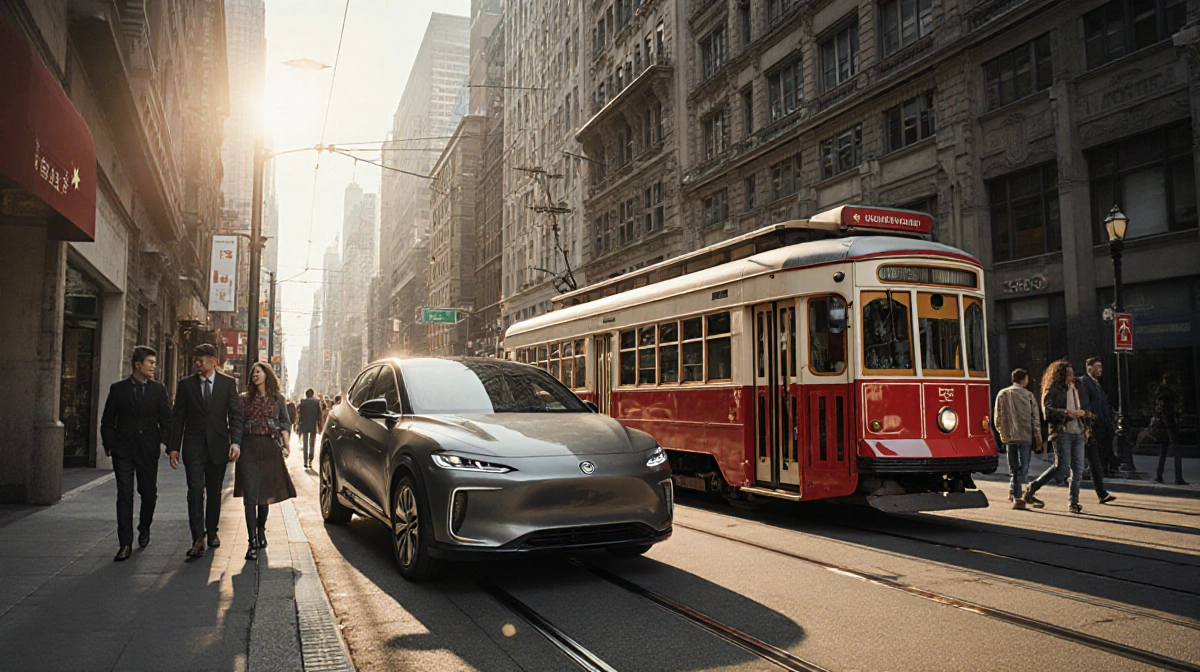
- Canada will admit up to 49,000 Chinese-made EVs after slashing existing tariffs
- Beijing will cut canola-seed tariffs to 15%, down from 85%, on March 1
- Ottawa aims to boost exports to China by 50% by 2030
- Why it matters: The shift could redraw North-American supply chains and lower EV prices for Canadian drivers
Prime Minister Mark Carney unveiled the sweeping trade pivot in Beijing, signaling a clear break from Washington’s hard-line stance against Chinese electric vehicles.
New Strategic Partnership
Under the agreement announced today:
- Canada removes its mirroring of the 100% U.S. tariff on Chinese EVs
- A quota of 49,000 vehicles will enter the Canadian market under reduced duties
- Chinese firms are expected to form joint ventures with Canadian partners
The Prime Minister’s Office projects that, within three years, the deal will:
- Drive “considerable new Chinese joint-venture investment”
- Protect and create auto-manufacturing jobs
- Accelerate build-out of Canada’s EV supply chain
Immediate Trade Wins
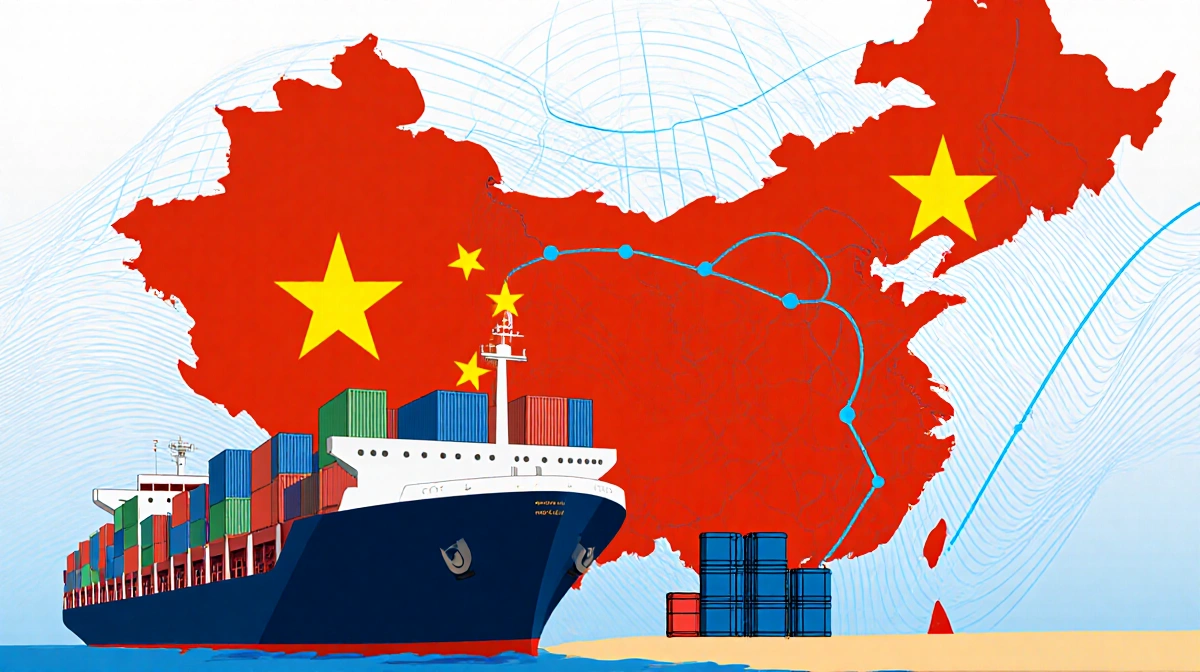
Beijing’s concessions focus on canola, one of Canada’s top farm exports:
| Product | Old Tariff | New Tariff | Effective Date |
|---|---|---|---|
| Canadian canola seed | 85% | ~15% | March 1 |
Ottawa, in turn, has set a 50% export-growth target for China by 2030.
A Calculated Distance From Washington
The detente follows months of Donald Trump’s trade pressure on Canada, including:
- Tariffs up to 35% on non-USMCA goods
- Steel duties as high as 50%
- Public musings about making Canada the 51st U.S. state
While the U.S. remains Canada’s dominant partner-$762 billion in two-way trade last year versus $118.9 billion with China-Carney called ties with Beijing “more predictable” of late.
Decade of Strained Relations
Canada and China spent years at odds after Ottawa arrested Huawei CFO Meng Wanzhou in 2018 at Washington’s request. Carney acknowledged the relationship is shallower than the one with the U.S., describing American ties as “deeper, broader, and more multifaceted.”
Trump Reacts
Asked about Canada’s move, Trump responded: “That’s OK. That’s what he should be doing. I mean, it’s a good thing for him to sign a trade deal. If you can get a deal with China, you should do that,” according to The Hill.
What Happens Next
- Chinese automakers gain a 49,000-vehicle foothold in North America
- Canada hopes for factory investments rather than pure imports
- USMCA review later this year could further shift regional dynamics
Key Takeaways
- Canada is betting that tariff-free Chinese EVs will spur domestic jobs and cheaper cars
- Beijing’s canola-tariff cut delivers an immediate $700 million annual benefit to Canadian farmers, according to industry estimates cited by News Of Fort Worth
- The deal widens the policy gap between Ottawa and Washington on China
- With USMCA talks ahead, Carney’s government appears ready to endure more U.S. criticism to diversify export markets