


At a Glance
- For the first time, 70% of U.S. cancer patients live at least five years post-diagnosis
- Deadly cancers like lung, liver, and myeloma have doubled or tripled survival odds since the 1990s
- 4.8 million deaths were avoided between 1991 and 2023 thanks to better treatments and falling smoking rates
- Why it matters: Continued federal funding for research will decide whether the momentum holds
Cancer care in the United States has crossed a symbolic threshold: seven in ten people diagnosed between 2015 and 2021 survived at least five years, according to the American Cancer Society’s latest surveillance report released Tuesday. The figure stood at only 49% in the mid-1970s.
Survival Gains Accelerate for Deadliest Cancers
The study, led by ACS senior scientific director Rebecca Siegel, mined the most recent registry and National Center for Health Statistics data to track incidence and outcomes. Five-year survival is a standard benchmark because recurrences after that window are rare.
Progress since the mid-1990s has been most dramatic for historically lethal malignancies:
- Myeloma – 32% → 62%
- Liver cancer – 7% → 22%
- Lung cancer – 15% → 28%
Advanced disease has also become markedly more survivable. Overall five-year survival for metastatic or locally advanced cancers doubled from 17% to 35%. Among lung-cancer patients whose disease had already spread, survival rose from 2% to 10%; for those with locally advanced tumors, the rate climbed from 20% to 37%.
“This stunning victory is largely the result of decades of cancer research that provided clinicians with the tools to treat the disease more effectively, turning many cancers from a death sentence into a chronic disease,” Siegel said in a press release.
Equitable Access Remains Elusive
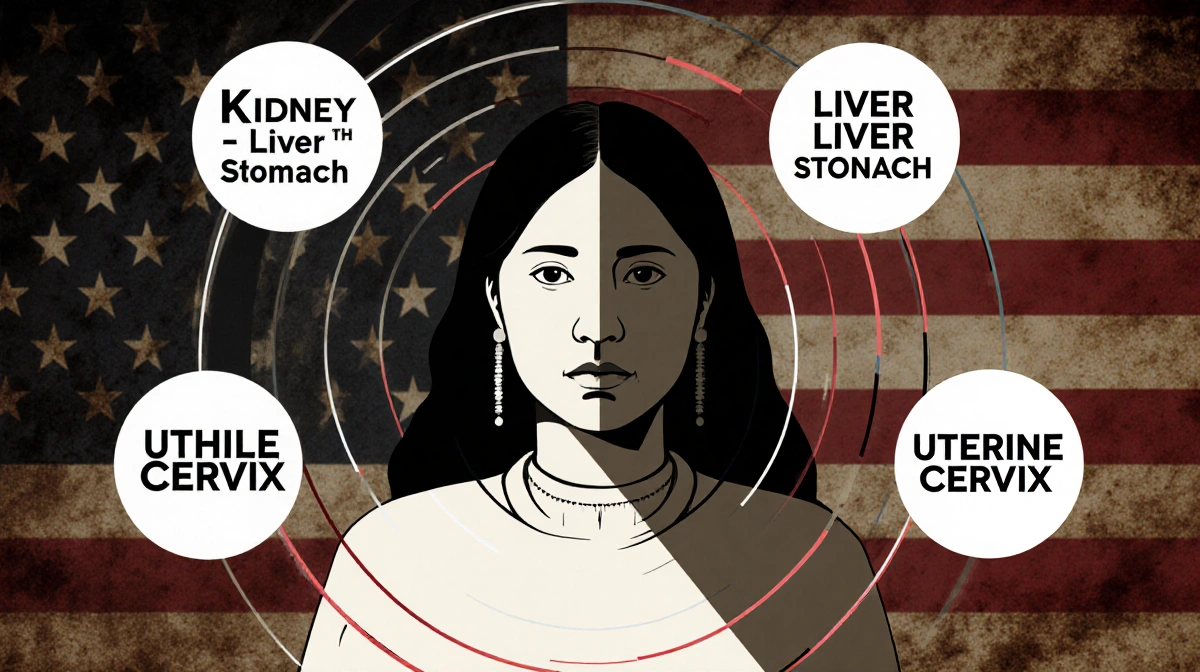
Gains have not been shared equally. Native American people continue to experience the highest cancer mortality of any racial group, with death rates double those of white people for kidney, liver, stomach, and uterine cervix cancers.
“Lack of access to high-quality cancer care and socioeconomics continues to play a significant role in persistent racial disparities,” said senior author Ahmedin Jemal, ACS senior vice president of surveillance, prevention, and health services research. He urged broader, more equitable application of targeted control interventions.
Rising Diagnoses Cloud Progress
Despite falling death rates, cancer is projected to strike more than 2 million Americans in 2026 and kill over 600,000, keeping it the nation’s second-leading cause of death. Incidence is climbing for several common cancers:
- Breast
- Prostate
- Oral
- Pancreas
- Endometrial
Among women, liver cancer and melanoma diagnoses are also trending upward.
Funding Cuts Could Stall Momentum
Federal support underpins the advances, but the Trump administration has proposed sweeping reductions to research agencies. “For decades, the federal government has been the largest funder of cancer research, which has translated to longer lives for people with even the most fatal cancers,” said Shane Jacobson, CEO of ACS and its Cancer Action Network.
“Threats to cancer research funding and significant impact to access to health insurance could reverse this progress and stall future breakthroughs,” he cautioned. “We can’t stop now. There is still much work to be done.”
Key Takeaways
- Five-year survival for all cancers combined reached an all-time high of 70% for 2015-2021 diagnoses
- Investment in new therapies, early detection, and anti-smoking campaigns prevented an estimated 4.8 million deaths from 1991-2023
- Continued improvement hinges on sustained federal research funding and broader access to high-quality care
Whether the country keeps bending the cancer mortality curve will depend on policymakers choosing to protect-or undercut-the investments that powered five decades of life-saving progress.