

At a Glance
- Only 7 percent of US car buyers complete purchases entirely online
- 86 percent insist on seeing the vehicle in person before signing
- Financing steps trigger the most anxiety and push shoppers back to dealerships
- Why it matters: The industry’s digital push collides with consumer trust and high-stakes spending habits
Americans treat cars as their second-largest purchase after housing, and new data shows they refuse to hand that decision to a one-click checkout. Despite years of pandemic-forced digitization and Tesla-style direct sales buzz, the overwhelming majority of shoppers still finish the deal under fluorescent showroom lights.
Online Orders Stall at Checkout
Cox Automotive’s latest buyer survey, released this month, highlights the breakdown. While 28 percent of shoppers begin the process expecting to stay online, only 7 percent actually stay digital through signature. More than half complete every step in person.
Cox, which builds online retail tools for dealers, has skin in the game, yet its internal data keeps pointing to the same friction point: money. Erin Lomax, the firm’s vice president of consumer marketing, says customers happily browse inventory and compare prices on their phones, but freeze once loans and monthly payments enter the picture. “The steps relating to money and financing-that’s where the anxiety comes in,” she notes.
Paper Trumps Pixels at Signing
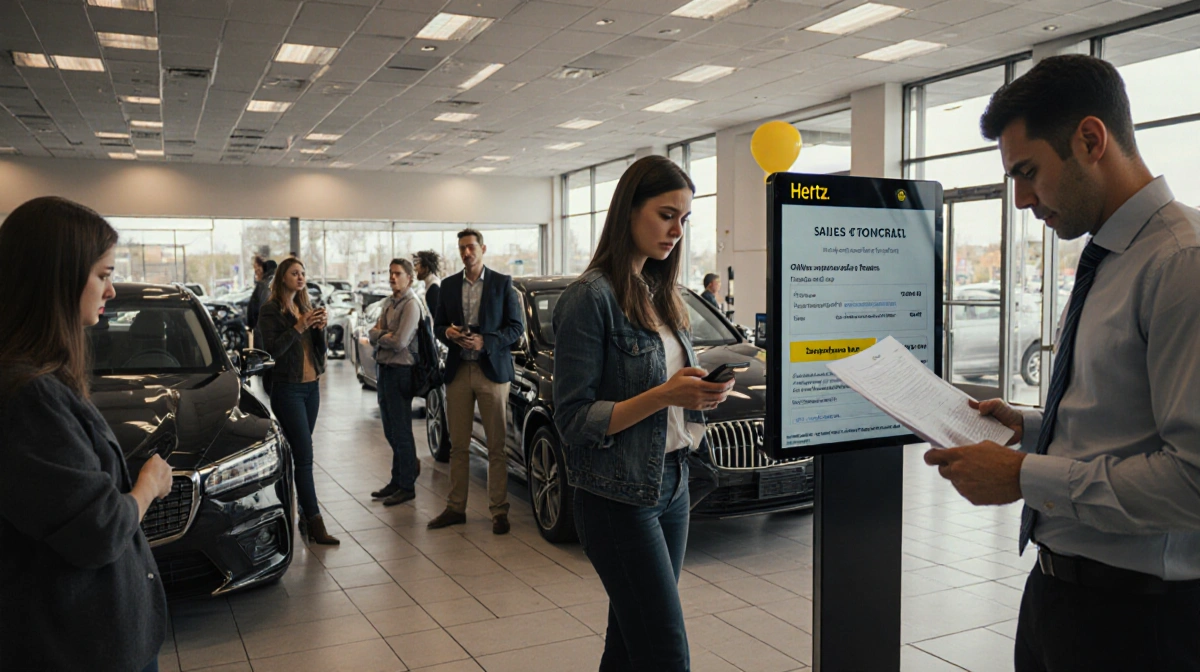
Separate studies echo the pattern. A fall survey found just over half of buyers wanted physical paperwork they could touch and sign. A December poll delivered the starkest figure: 86 percent would not finalize a purchase without an in-person look at the vehicle.
The numbers clash with an industry narrative that says car retail is following groceries and furniture into seamless e-commerce. Covid-19 lockdowns accelerated dealer investments in backend software, digital contracting, and home-delivery logistics. Companies such as CarMax and Carvana built national brands around no-haggle web pricing. Automakers from Tesla to Rivian tout entire transactions completed from a couch.
Hertz Bets Big on Digital-Only Sales
This past summer Hertz launched a platform letting customers pre-qualify for loans, value trade-ins, choose warranties, and schedule pickups without visiting a store. The rental giant’s move typified the optimism that shoppers would embrace Amazon-style convenience for automobiles.
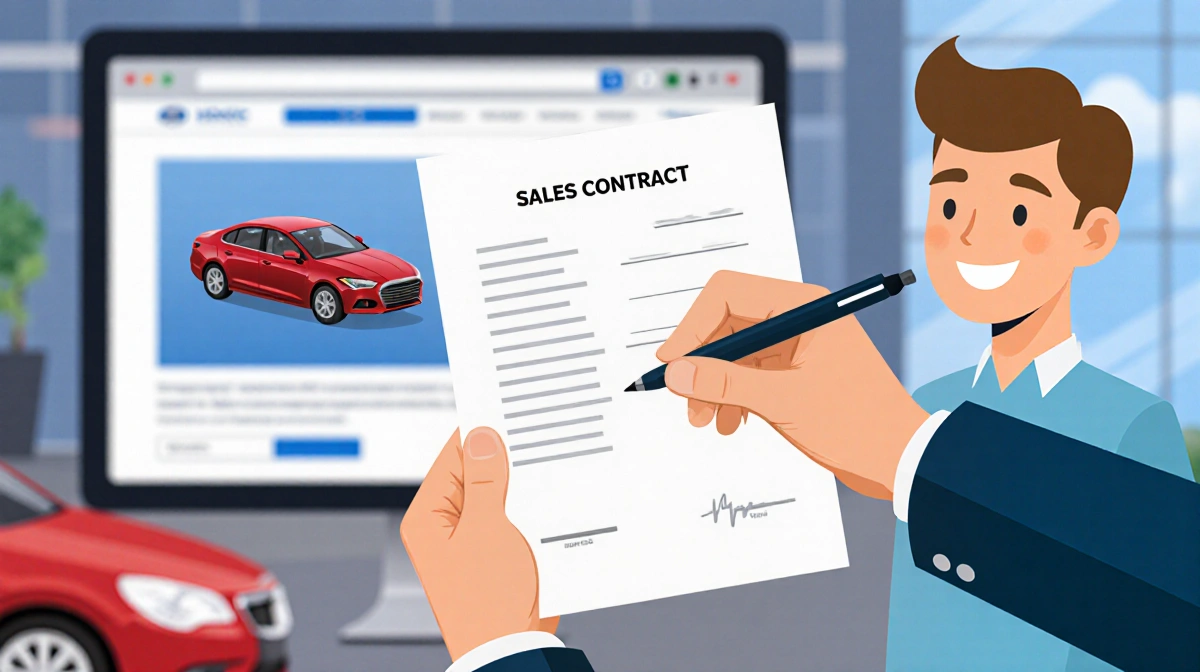
Yet interviews conducted by Cox show a more complicated workflow. Buyers praised the ability to handle research, inventory checks, and even loan approvals online, but still wanted a dealership visit to close. One respondent described a “seamless” switch from couch to showroom once financing was secure.
Amazon Autos Enters the Field
Amazon itself jumped into the category in 2024 with Amazon Autos, offering research tools, financing options, and lead generation for local dealers. The company declined to share sales figures, but spokesperson Jessyka Faison says in a statement that Amazon is “very encouraged by the strong positive response.” Faison adds that browsing peaks during evening hours when most dealerships are closed, suggesting the site functions more as a 24-hour showroom than a transaction engine.
Ford sees similar limits. CEO Jim Farley has publicly admired Tesla’s direct-sales model and told investors in 2022 that Ford must “go to 100 percent online” for electric vehicles. This fall, however, Ford followed Hyundai in listing only certified pre-owned vehicles on Amazon’s marketplace, and only in select cities. New-car purchases still route shoppers to a dealer for final paperwork.
Financing Anxiety Drives Foot Traffic
Lomax says Cox tracks a consistent pattern: digitally confident customers surge through the research phase, then hit a wall when monthly payments, interest rates, and trade-in values must be finalized. The anxiety appears rooted in both dollar amounts and fear of hidden terms. “People want to see, feel, and touch the car,” she reiterates, underscoring that the test drive remains a non-negotiable moment for most Americans.
Dealers, for their part, have learned to treat online tools as lead generators rather than replacements. Websites now quote payments, reserve vehicles, and schedule appointments, but still expect shoppers to appear in person for identity verification, contract review, and vehicle delivery.
Key Takeaways
- Online auto retail grows fastest in research and loan approval, not final purchase
- Physical paperwork and in-person vehicle inspections remain consumer priorities
- Automakers and tech platforms continue to partner with dealerships instead of bypassing them