
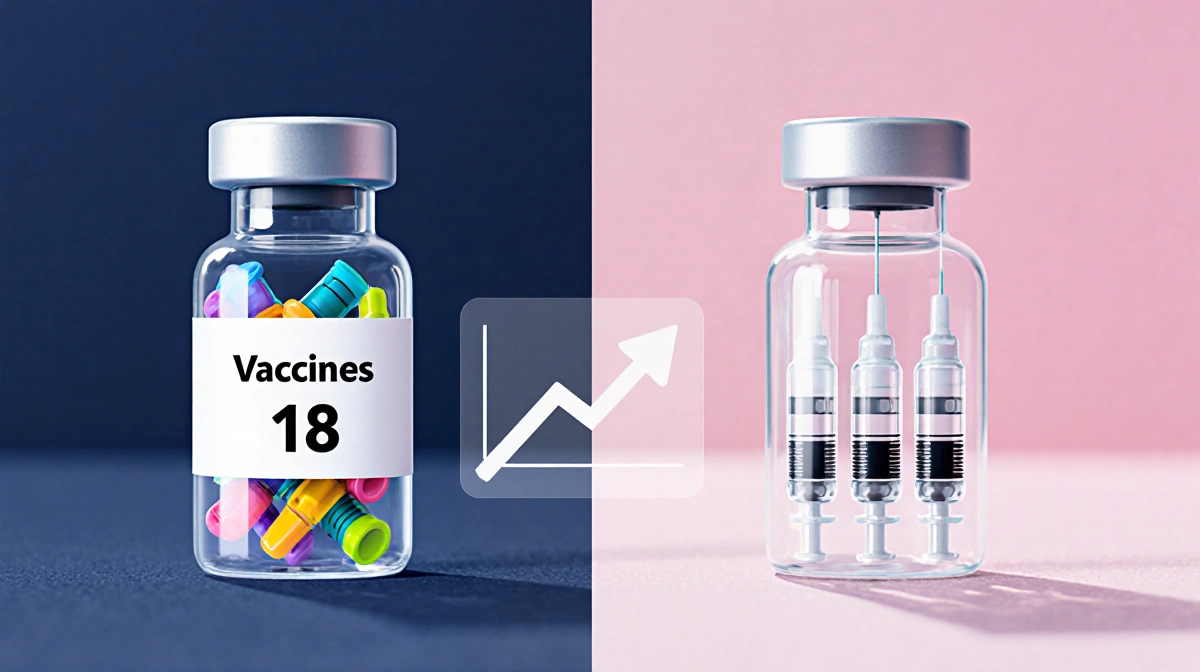

> At a Glance
> – The CDC now recommends 11 childhood vaccines, down from 18 last year
> – Flu, COVID-19, hepatitis A & B, rotavirus, RSV, meningococcal and HPV doses cut
> – Why it matters: Fewer federal recommendations may confuse parents and raise outbreak risk
The CDC quietly overhauled the U.S. childhood immunization schedule Monday, removing seven vaccines from the universal list as flu surges and measles cases climb.
What Got Cut
The following shots are no longer recommended for all children; they’re now optional and reserved for high-risk kids or “shared decision-making” with doctors:
- Flu
- Hepatitis A & B
- Meningococcal disease
- Rotavirus
- RSV
- COVID-19 (demoted in 2025)
| Vaccine | Old Rule | New Rule |
|---|---|---|
| HPV | 2-3 doses | 1 dose |
| Flu | Universal | High-risk only |
| COVID-19 | Universal | High-risk only |
The MMR, DTaP, polio, chickenpox, Hib and PCV vaccines remain mandatory for everyone.
Doctors Push Back
American Academy of Pediatrics leader Dr. Sean O’Leary warned:
> “These changes could increase child illness and death from preventable disease.”
The AMA and AAP will keep recommending the dropped vaccines, noting no new science supports the rollback.
Real-World Impact
- States still set school-entry rules; some are forming alliances to ignore the new federal guidance
- Insurance plans say they’ll keep covering the shots through at least 2026
- Parents may face longer, trickier talks at check-ups
Key Takeaways
- Federal list shrinks from 18 to 11 vaccines overnight
- Major medical groups reject the change
- Coverage remains for now, but uptake could fall
With vaccination rates already slipping and exemption rates at record highs, the reshuffle arrives as measles and whooping-cough cases rise nationwide.