
At a Glance
- The CDC has cut the childhood vaccine list from 18 to 11 diseases effective immediately
- Insurance will still cover all previously recommended shots
- Why it matters: The change could lower vaccination rates and increase disease risk as states follow the new schedule
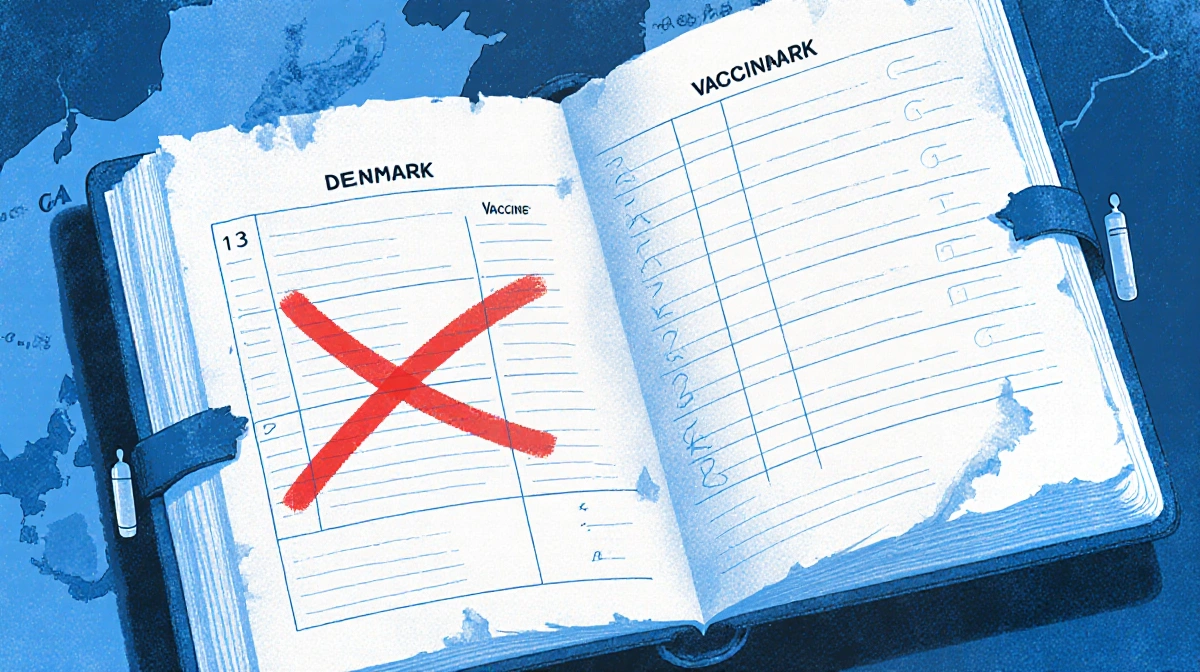
The CDC announced a sweeping overhaul of the childhood vaccine schedule, reducing the number of recommended diseases from 18 to 11 in a move that mirrors Denmark’s approach. The change, effective immediately, aims to restore public trust following pandemic-era skepticism.
What Changed
The new schedule removes routine recommendations for flu, Covid, RSV, chickenpox, hepatitis A, rotavirus and meningitis vaccines. However, parents can still get these shots for their children, and insurance will continue to cover them.
Dr. David Margolius, director of public health for Cleveland, warned:
> “The worst case scenario is that this causes more confusion, more distrust, lower vaccination rates”
Which Vaccines Remain
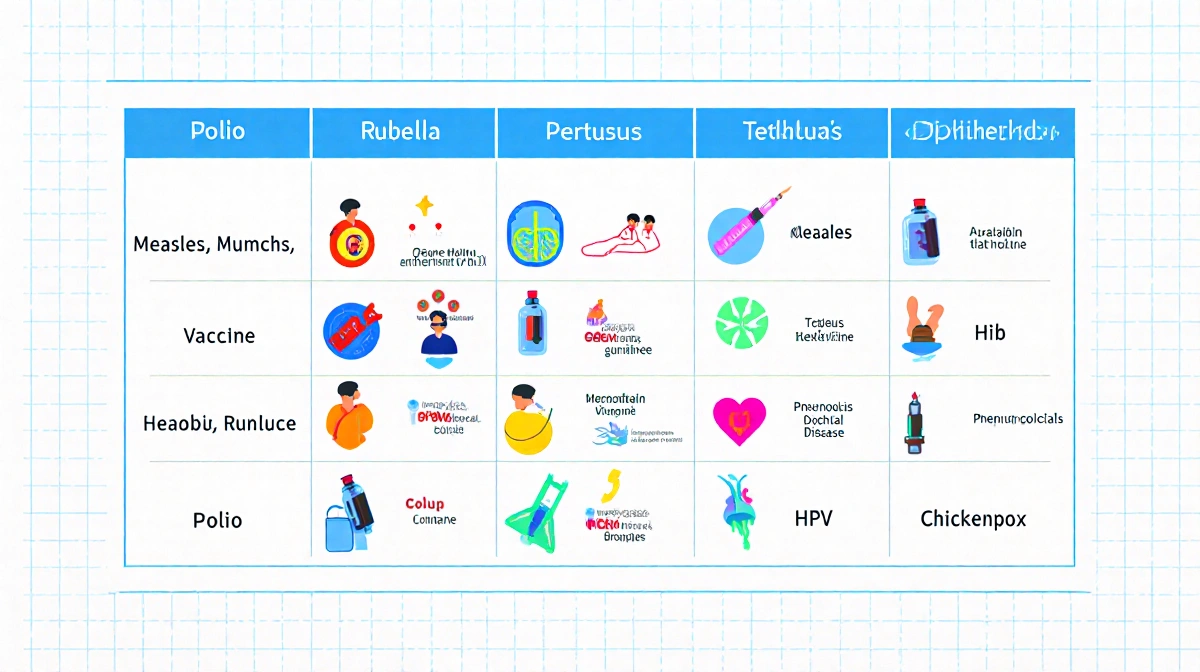
The CDC will continue recommending vaccines for:
- Measles, mumps, rubella
- Polio, pertussis, tetanus, diphtheria
- Hib, pneumococcal disease, HPV, chickenpox
Other vaccines will be recommended only for “high-risk groups” or based on “shared clinical decision-making.”
The Denmark Connection
The overhaul follows months of pressure from Health Secretary Robert F. Kennedy Jr., who has claimed U.S. children receive too many vaccines. In December, Dr. Tracy Beth Hoeg presented the Danish vaccine schedule to CDC advisors, suggesting fewer vaccines might reduce aluminum exposure.
Anders Peter Hviid, senior author of a major Danish aluminum study, cautioned:
> “Derecommending will likely lead to lower uptake, leaving more children exposed to infectious disease”
What This Means for Families
| Vaccine Type | Previous Status | New Status |
|---|---|---|
| Measles, Polio, MMR | Routine | Still routine |
| Flu, Covid | Routine | Shared decision |
| RSV, Hepatitis A | Routine | High-risk only |
All vaccines from the 2025 schedule remain available and covered by ACA plans, Medicaid, CHIP and Vaccines for Children programs.
Key Takeaways
- The childhood vaccine schedule drops from 18 to 11 diseases immediately
- States use this schedule to determine school requirements
- Denmark’s approach influenced the U.S. decision despite population differences
- Public health experts warn the change could reduce vaccination rates
The CDC’s unprecedented move marks a significant shift in U.S. vaccination policy, with potential long-term implications for disease prevention nationwide.