
> At a Glance
> – Nvidia, AMD and Intel unveiled new AI chips and platforms
> – Tiny robots and Star Wars stole audience attention
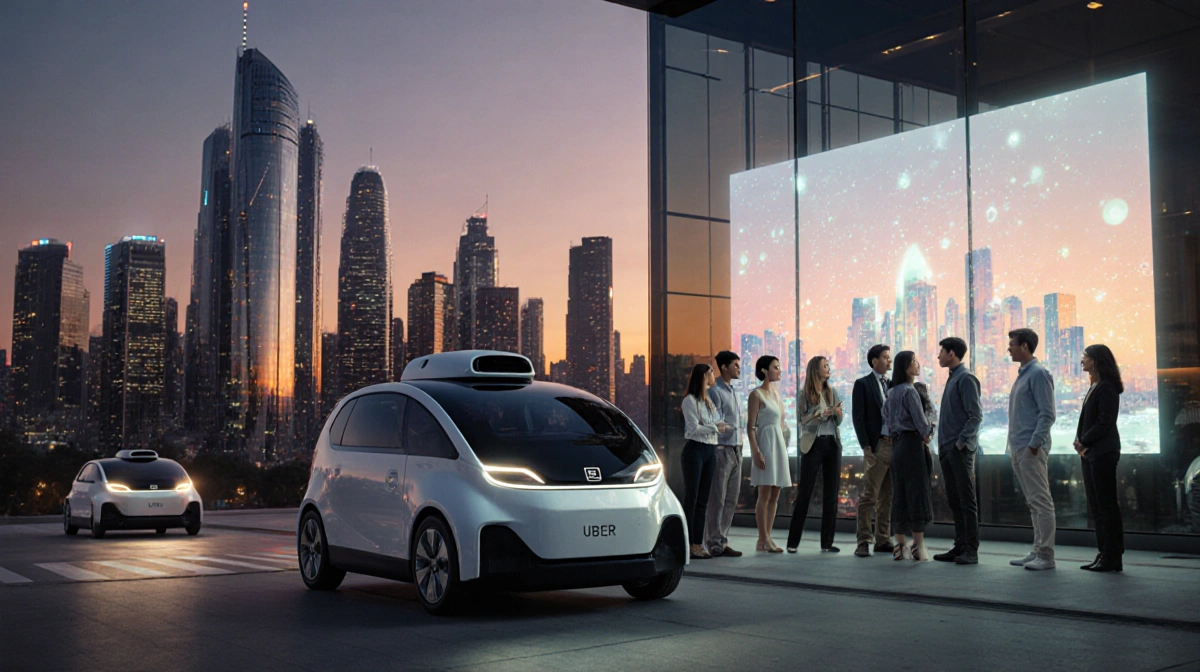
> – Uber showed its luxury robotaxi launching late 2026
> – Why it matters: The battle for AI dominance intensifies as physical robots capture public imagination
The first day of CES 2026 delivered major AI chip announcements from tech giants, but audiences were most captivated by Jensen Huang’s miniature robots and a surprise Star Wars Lego partnership.
The AI Chip Wars
Nvidia led with “physical AI” – models trained in virtual environments then deployed as real machines. CEO Jensen Huang revealed:
- Cosmos: An AI foundation model simulating physics-based environments
- Alpamayo: An AI model for autonomous driving
- Vera Rubin: Next-gen AI superchip platform now in production
- New partnership with Siemens
AMD countered with fresh Ryzen AI processors and the Ryzen 7 9850X3D gaming chip. Intel announced Panther Lake (Core Ultra Series 3) AI laptop chips and plans for handheld gaming platforms.
Robots Capture Hearts
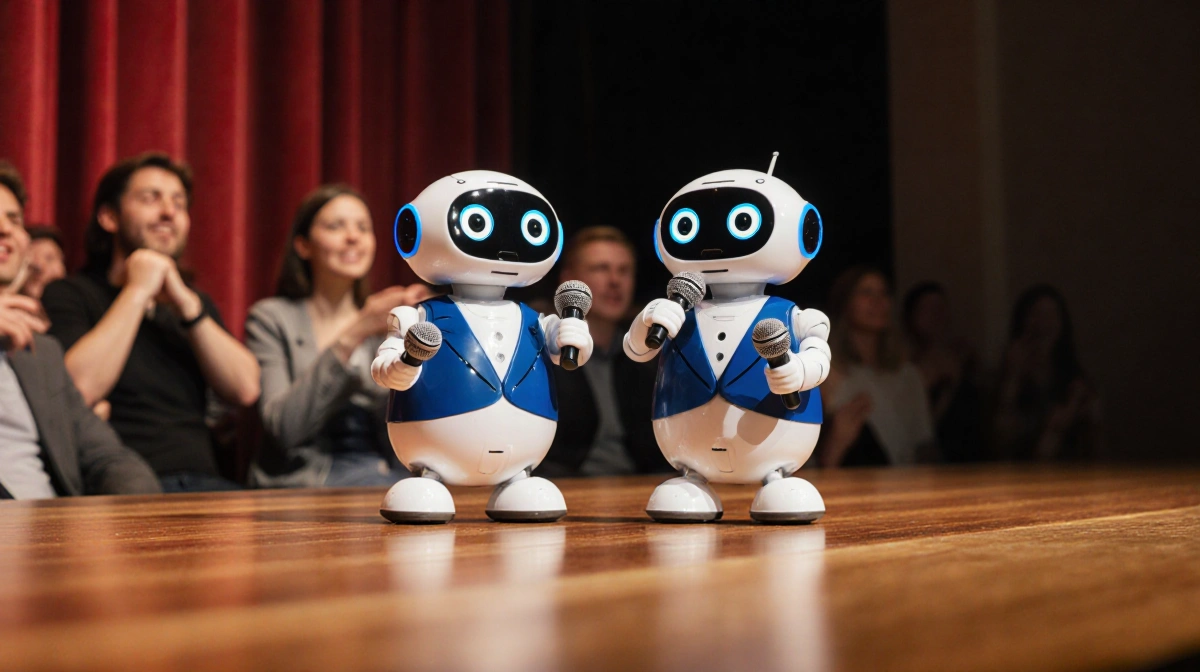
When two small, chirping robots waddled onstage with Huang, they overshadowed the silicon news. The crowd’s reaction highlighted a key tension: while companies push AI performance, consumers crave tangible, friendly robotics.
Uber’s Luxury Robotaxi
Uber, Lucid Motors and Nuro unveiled an autonomous taxi featuring:
- 360-degree perception via cameras, sensors and radar
- Personalized climate, seating and music
- Real-time road visualization for passengers
- LED “halo” displaying rider initials
Testing began in San Francisco last month, with public launch planned for late 2026.
Star Wars Meets Smart Bricks
Lego announced Smart Play platform with sensor-enabled bricks that respond to light and distance. A Star Wars partnership lets users build interactive space battles and lightsaber duels with sound and light effects.
More Robotics News
- LG previewed CLOiD, a home robot for chores like folding laundry
- Boston Dynamics showed Atlas, a humanoid robot entering Hyundai’s Georgia EV plant by 2028
- Musical lollipops using bone induction technology play songs while you eat them
| Product | Launch | Price |
|---|---|---|
| Musical Lollipops | Post-CES | $8.99 |
| Uber Robotaxi | Late 2026 | TBA |
| Atlas Robot | 2028 | TBA |
Key Takeaways
- Nvidia maintains AI chip leadership amid intensifying competition
- Physical robots generate more public excitement than processing power
- Uber targets luxury autonomous rides by end of 2026
- Lego merges physical toys with digital interactivity
- CES 2026 signals shift toward tangible AI applications
The opening day revealed tech’s dual focus: advancing AI capabilities while making them physically accessible to consumers.