

At a Glance
- Chinese firms now build or run 68 battery factories outside China, worth $45 billion
- In 2024, over 80% of the world’s lithium cells were produced in China
- Profit margins for CATL jump to 29% overseas versus 23% at home
- Why it matters: Western leaders welcome the tech, but local jobs and water fights follow
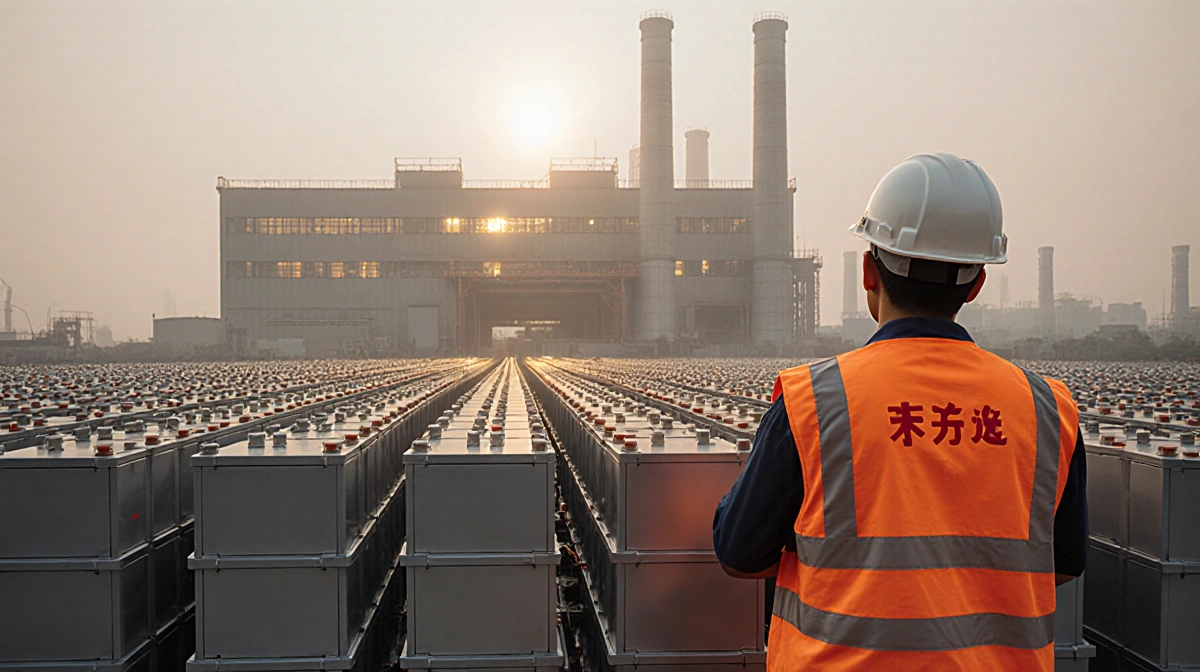
Chinese battery giants once stayed home. Now they’re colonizing factory floors from Douai to Illinois, betting that proximity to customers-and fatter margins-beat shipping cells across oceans.
Macron’s Stagecraft in Douai
Last June, Emmanuel Macron held a lithium battery in one hand and a coal miner’s lamp in the other inside a former mining city. The French president signed the first battery produced at a new €2 billion plant alongside Zhang Lei, founder of Chinese energy group Envision. Macron thanked Zhang for “transferring technologies” and training locals, calling the moment an “economic and ecological revolution.”
The symbolism was deliberate: coal out, cathodes in.
The Chinese Factory Map
News Of Fort Worth and the Rhodium Group tallied at least 68 battery or EV plants that Chinese companies have built or announced overseas in the past decade. Together they represent $45 billion in non-Chinese investment.
The list stretches across every continent:
- Europe: CATL in Germany and Hungary; Gotion in Illinois; Envision in Douai
- Americas: BYD in Brazil; Gotion in Illinois
- Asia-Pacific: Multiple CATL and BYD sites in Southeast Asia
The Margin Incentive
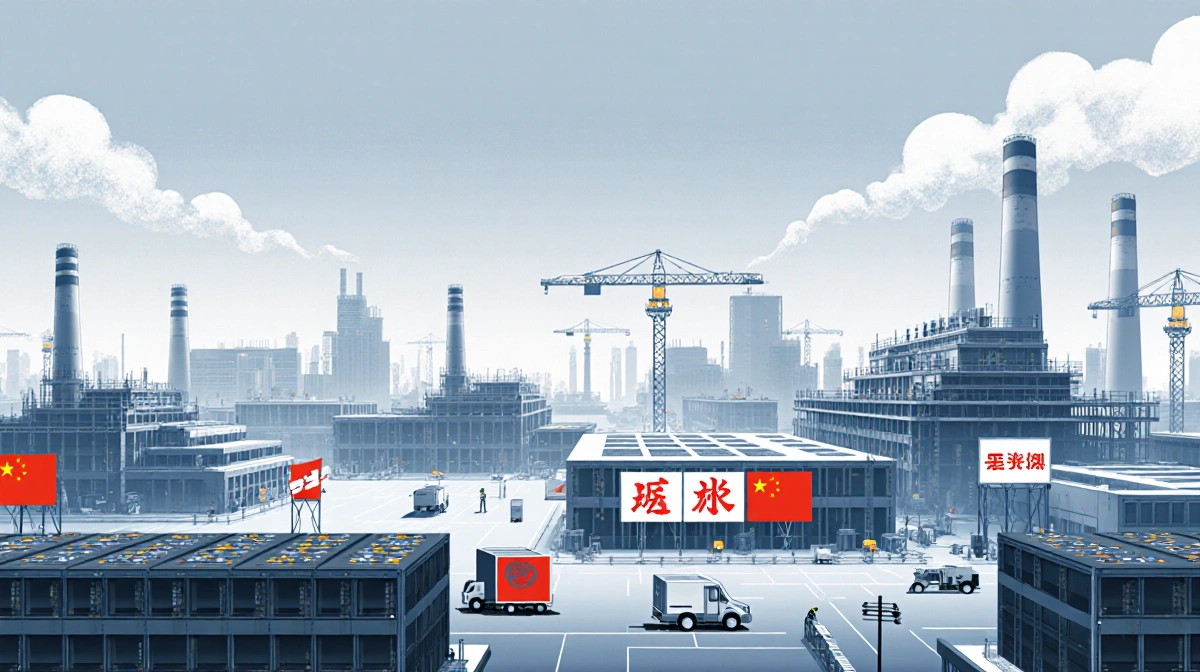
Local incentives and lower shipping costs make overseas plants lucrative. CATL, the world’s largest lithium battery maker, disclosed a 29% profit margin abroad versus 23% at home. Gotion and EVE Energy report similar uplifts.
Armand Meyer, senior analyst at Rhodium Group, calls 2024 a turning point: “They are ready to leave the domestic market, and they are as competitive as traditional Western players, or even more competitive. We think it’s just the beginning.”
Political Lovefests
Macron is hardly alone. Global leaders have embraced Chinese battery ribbon-cuttings:
- Brazil’s Luiz Inácio Lula da Silva rode in a BYD car with founder Wang Chuanfu
- Spain’s president stood hand-in-hand with CATL‘s Robin Zeng
- Illinois Governor JB Pritzker shared a stage with Gotion‘s Li Zhen to announce a Manteno plant
Local Backlash
Promises of thousands of local jobs sometimes clash with reality. Hungarian media reported CATL laid off over 100 workers, mostly Hungarians, prompting municipal raids and an investigation. Environmental groups are suing over water usage at the same plant.
The tension mirrors past Western worries about Chinese labor practices-now reversed as Chinese firms build abroad.
Talent Pipeline
China’s dominance started in classrooms. Brian Engle, chair of NAATBatt International, recalls visiting a top Chinese engineering lab in 2019 and seeing 60-plus grad students testing battery cells. Asked how many U.S. universities combined could match that battery-focused cohort, an American academic replied, “We simply couldn’t.”
Lithium batteries already earned a Nobel Prize and U.S. “critical mineral” status. With Chinese firms owning 80% of global cell production, their next battle is winning hearts-and regulators-on foreign soil.
Key Takeaways
- Chinese battery companies spent more capital overseas than at home in 2024, flipping historical patterns
- Profit margins rise 6 percentage points when CATL builds abroad
- From Douai to Illinois, politicians tout jobs, yet layoffs and water disputes follow
- The label “Made in China” now signals cutting-edge tech assembled anywhere